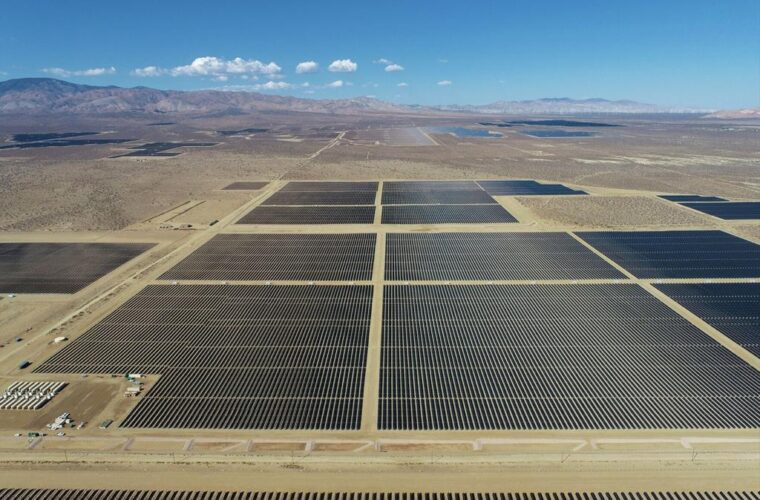
In California’s ongoing energy transition, the Rabbitbrush Solar Farm stands out as a model for integrating renewable infrastructure with the state’s unique agricultural identity. Located in the San Joaquin Valley, this project directly addresses the dual challenges of achieving clean energy goals and supporting economic resilience in a region where water scarcity is a pressing concern. By deploying solar technology on impaired or fallowed farmland, Rabbitbrush Solar demonstrates a sustainable path for land use that provides farmers with a reliable income stream while contributing critical power to the state’s grid.
Significance & Context
The Rabbitbrush Solar Farm is a strategically important asset within the California Independent System Operator (CAISO) grid, helping to meet the state’s mandate for 100% clean electricity by 2045. Its location in the San Joaquin Valley is significant, as it adds generation capacity in a region that often experiences high electricity demand and air quality challenges. By utilizing agricultural land with limited water access, the project supports the state’s Sustainable Groundwater Management Act (SGMA) by providing an alternative, water-free economic use for farmland, a strategy supported by research from the Public Policy Institute of California.
Development Timeline
Development for the Rabbitbrush Solar project began in the early 2020s, coinciding with increased focus on the SGMA’s implications for Valley agriculture. Key milestones included securing land leases from multiple farmers, navigating the county permitting process, and finalizing a power purchase agreement, likely with a community choice aggregator or investor-owned utility. Construction commenced in 2023, and the project was completed and began delivering power to the grid in 2025.
Technology & Innovation
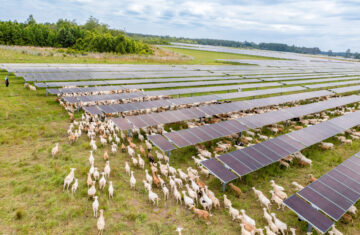
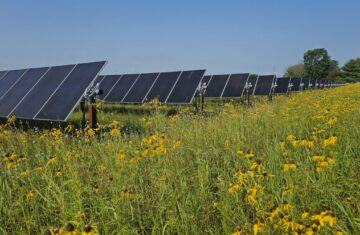
The Rabbitbrush Solar Farm utilizes durable, high-efficiency solar panels mounted on single-axis tracking systems to maximize energy production. A key innovation is its commitment to agrivoltaics. The project is designed with elevated clearance and specific spacing to allow for compatible agricultural activities beneath the arrays, such as sheep grazing or habitat for native, drought-tolerant plants like its namesake rabbitbrush. This approach maintains a connection to the land’s agricultural purpose and supports local biodiversity.
Challenges & Controversies
A significant challenge for the Rabbitbrush Solar project was addressing local concerns about the long-term impact on prime farmland. Some community members and agricultural advocates were initially opposed to converting any agricultural land for industrial use. The developers addressed this by specifically targeting land with poor water access or that had already been fallowed, and by championing the agrivoltaic model. They demonstrated that the project would not permanently remove the land from agricultural production and, through lease payments, would provide financial stability for farming families during a period of water transition.
Community & Economic Impact
For the local county, the Rabbitbrush Solar Farm provides a vital economic stabilizer. During construction, the project typically employed over 200 workers, offering a temporary boost to the local economy. The long-term impact is anchored by the lease payments to landowners, which provide a drought-proof revenue source, and by the property tax revenue. The project likely contributes a significant and predictable increase in tax income, funding essential services like schools and public safety—a benefit highlighted by the California State Association of Counties.
Future Outlook
The successful implementation of Rabbitbrush Solar provides a replicable blueprint for solar development in California’s agricultural regions. Its agrivoltaic design sets a precedent for how renewable energy and farming can coexist. As water scarcity intensifies under SGMA, this model is likely to become increasingly attractive to landowners. The project site is also a prime candidate for future battery storage integration, enhancing its value to the CAISO grid by shifting solar energy to peak evening hours. Rabbitbrush Solar exemplifies a future where California’s clean energy and agricultural economies are not in conflict, but are strategically aligned.
Also at California: Daggett Solar farm