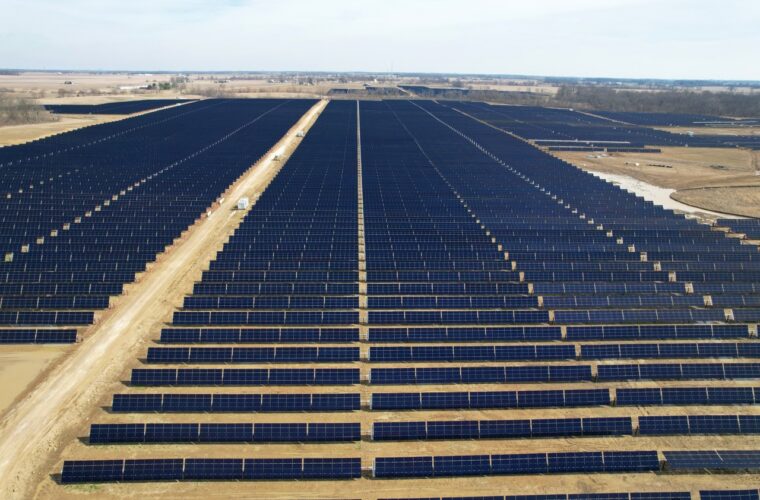
Big Plain Solar Farm represents a significant evolution in the state’s energy economy, marking a strategic shift toward large-scale renewable generation. As one of the largest solar facilities in the state, this project underscores a pivotal transition where solar power is becoming a mainstream energy source in the Midwest. By integrating clean energy production with rural land use, Big Plain Solar demonstrates a model for economic diversification that supports local communities while contributing to a lower-carbon grid.
Significance & Context
The Big Plain Solar Farm is a key component of Ohio’s evolving energy portfolio, contributing significantly to the state’s renewable energy capacity. Its development is largely driven by demand from large corporate and industrial users seeking clean, cost-competitive electricity through power purchase agreements. The project interconnects with the PJM Interconnection grid, enhancing regional reliability and providing a domestic alternative to fossil fuel generation. This aligns with market trends tracked by PJM’s Renewable Energy Integration reports, highlighting the growing role of solar in meeting both energy and sustainability goals across the region.
Development Timeline
Development for the Big Plain Solar project began in the early 2020s, following increasing interest in Ohio as a solar development market. The process involved extensive land acquisition from multiple landowners and careful navigation of state and local permitting requirements, including approval from the Ohio Power Siting Board. After securing power purchase agreements and finalizing the interconnection process, construction commenced in 2023. The project reached commercial operation in 2025, following a multi-year development and construction cycle.
Technology & Innovation
The Big Plain Solar Farm utilizes contemporary solar technology optimized for Ohio’s climate. The facility features durable, high-efficiency photovoltaic panels mounted on single-axis tracking systems to maximize energy production throughout the day. A key innovation is the project’s commitment to agrivoltaics, with designs that allow for continued agricultural use such as sheep grazing or pollinator habitats beneath and between the solar arrays. This approach supports soil health and biodiversity while maintaining the land’s agricultural character, a practice supported by research from The Ohio State University Extension.
Challenges & Controversies
A significant challenge for the Big Plain Solar project was navigating local land-use perceptions and zoning regulations. In its primarily agricultural host county, some community members expressed concerns about the conversion of farmland and the project’s visual impact on the rural landscape. The developers addressed these concerns through a proactive public engagement campaign, including open houses and detailed presentations to local officials. They emphasized the temporary nature of the land use, robust decommissioning plans, and substantial economic benefits, which helped build community support and secure necessary approvals.
Community & Economic Impact
For the local county, the Big Plain Solar Farm delivers substantial economic benefits. During peak construction, the project typically employed over 300 workers, providing a significant boost to local businesses and services. While permanent operations and maintenance jobs are fewer, they represent long-term, skilled positions in the community. The project likely contributes a major increase in property tax revenue over its operational life, providing crucial funding for local schools, emergency services, and infrastructure—a fiscal impact highlighted by the Ohio Office of Budget and Management. Landowners receive stable, long-term lease payments that provide financial resilience.
Future Outlook
The successful commissioning of Big Plain Solar solidifies Ohio’s position as an emerging leader in Midwest solar development. Its scale and successful integration provide a blueprint for future projects in the state and surrounding region. As energy storage costs continue to decline, the site presents a strong case for future co-location of battery storage, which would enhance its ability to provide power during peak demand periods. Big Plain Solar exemplifies a sustainable path for rural economic development, where clean energy and agricultural interests can coexist and mutually benefit.
Discover at also Ohio: AEUG Union Solar farm