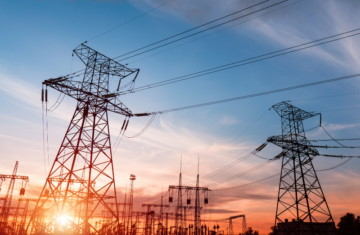
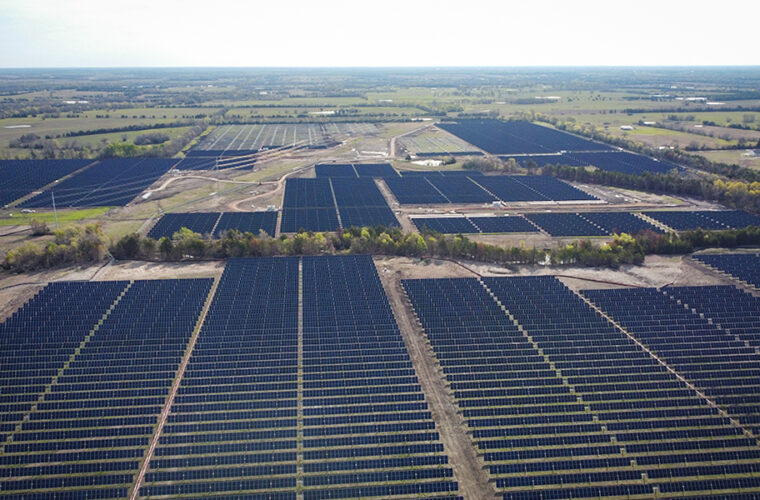
Eiffel Solar Project stands as a testament to the strategic diversification of the state’s power grid and the economic viability of large-scale renewable energy. Located within the Electric Reliability Council of Texas (ERCOT) territory, this significant solar farm contributes to grid reliability during peak demand periods while capitalizing on the region’s superior solar resources. The project exemplifies how private investment and market forces are driving the state’s transition to a more diverse and resilient energy portfolio.
Significance & Context
The Eiffel Solar Project is a major addition to the ERCOT grid, providing a substantial block of clean, cost-competitive power at a time of record-breaking electricity demand. Its development is largely driven by power purchase agreements (PPAs) with commercial and industrial users seeking to meet sustainability goals, a trend documented by the U.S. Energy Information Administration. By generating power during the sunniest parts of the day, the project helps offset the need for more expensive and polluting fossil fuel peaker plants, directly contributing to the state’s economic and environmental well-being.
Development Timeline
Development for the Eiffel Solar Project began in the early 2020s, following a period of rapidly declining solar technology costs. Key milestones included securing land leases from local landowners, navigating the county permitting process, and successfully completing the ERCOT interconnection study. Construction commenced in 2023, and despite global supply chain pressures, the project achieved commercial operation in 2025.
Technology & Innovation
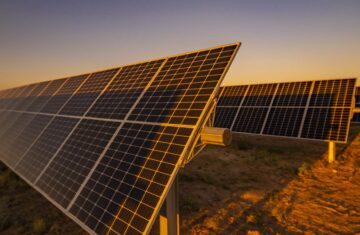
The Eiffel Solar Project utilizes high-efficiency, monocrystalline solar panels mounted on single-axis tracking systems. These trackers follow the sun’s path from east to west, increasing energy production by up to 25% compared to fixed-tilt systems. The facility is equipped with advanced inverters that provide essential grid services, such as voltage regulation and frequency response, to help maintain the stability of the local transmission network—a feature increasingly valued by ERCOT.
Challenges & Controversies
A significant challenge for the Eiffel Solar Project was navigating the congested ERCOT interconnection queue. As one of many new generation projects seeking to connect to the grid, the process involved lengthy studies and potential costs for network upgrades. This hurdle was resolved through detailed technical submissions and financial commitments by the developers to ensure the project’s integration would not compromise grid stability, ultimately securing its place in the development pipeline.
Community & Economic Impact
For the host county, the Eiffel Solar Project provides a substantial economic infusion. During the peak construction phase, the project typically employed over 300 workers, providing a significant, though temporary, boost to local services. The permanent operations and maintenance team creates a number of long-term, skilled jobs. The project likely contributes a major increase in property tax revenue over its operational life, which is vital for funding local schools, emergency services, and infrastructure—a fiscal benefit detailed in analyses by the Texas Comptroller of Public Accounts. Landowners benefit from a stable and predictable source of lease income.
Future Outlook
The successful commissioning of the Eiffel Solar Project reinforces the strong economic case for solar power in Texas. It contributes to a more diversified and resilient grid, less susceptible to fuel price volatility. As battery storage costs decline, the site is a prime candidate for a future hybrid solar-plus-storage expansion. This would allow the project to store excess daytime energy for use during the evening peak, dramatically increasing its value to the grid. Eiffel Solar is a clear indicator that solar energy is now a fundamental and enduring pillar of the Texas energy economy.
Also at Texas: Five Wells Solar Center – Hybrid