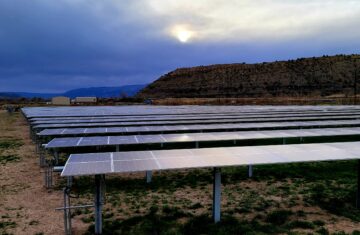
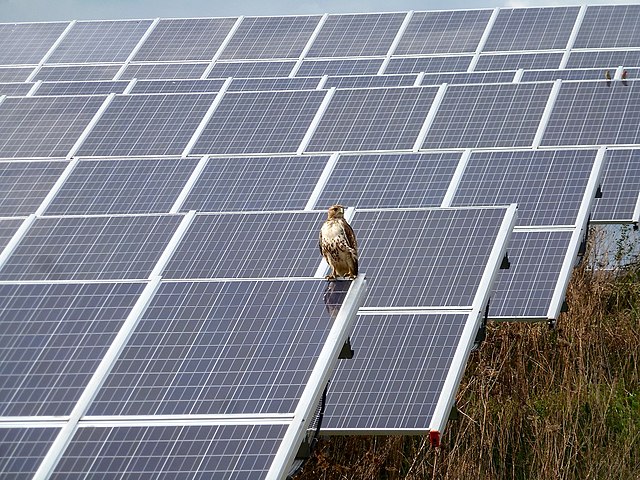
Taking shape on the banks of the Lake City Reservoir in Florida’s Calhoun County, the River Fork Solar project represents a strategic partnership between clean energy and critical public infrastructure. This innovative facility not only contributes to Florida’s growing solar capacity but also demonstrates a model for co-locating generation with water treatment facilities to enhance regional resilience.
Significance & Context
The River Fork Solar project is an 80-megawatt (MW) facility developed by Duke Energy Florida on land owned by the Lake City Water and Sewer Authority. The project’s output is dedicated to Duke Energy’s general grid supply, contributing to the utility’s commitment to expand its solar generation as outlined in its Ten-Year Site Plan filed with the Florida Public Service Commission. With an investment exceeding $100 million, the facility will generate enough electricity to power approximately 16,000 Florida homes and will be strategically positioned to support the energy-intensive operations of the adjacent water treatment plant.
Development Timeline
Development for River Fork Solar began with land lease negotiations and feasibility studies in 2020. The project was formally announced in Duke Energy’s 2021 resource planning update. After securing interconnection approval and necessary local permits from Calhoun County, major construction commenced in early 2023. The project reached substantial completion in late 2024 and is scheduled for full commercial operation in the first quarter of 2025.
Technology & Innovation
The project utilizes single-axis tracking systems to maximize energy capture in Florida’s subtropical climate. A key innovation is its strategic infrastructure co-location with the water treatment plant. The project includes a dedicated microgrid controller that can island the solar facility and the water plant during grid outages, ensuring continuous water treatment operations using clean solar power. This resilience feature, detailed in Duke Energy’s Storm Protection Plan, provides a critical public service benefit beyond standard grid generation.
Challenges & Controversies
A significant challenge for the River Fork Solar project involved managing construction in a sensitive watershed area. The site’s proximity to the reservoir required meticulous stormwater management to prevent sediment runoff. The developers addressed this by implementing an enhanced erosion control plan that exceeded state requirements, including the use of silt fences, sediment basins, and real-time water monitoring. This plan was developed in consultation with the Northwest Florida Water Management District and included a bond to guarantee site restoration, ensuring the protection of the county’s drinking water source.
Community & Economic Impact
The project provides a multifaceted economic benefit to Calhoun County. During peak construction, River Fork Solar typically employed over 150 workers, providing a significant boost to local services. The Lake City Water and Sewer Authority receives long-term lease payments that likely contribute to stabilizing water rates for customers. For the county, the project generates new tax revenue that supports local services. The enhanced resilience of the water treatment plant also provides an indirect economic benefit by ensuring business continuity during power outages.
Future Outlook
Once operational, River Fork Solar will serve as a long-term asset in Duke Energy’s generation fleet and a model for resilient infrastructure development. Its successful integration demonstrates the value of pairing renewable energy with critical public facilities. The project’s design includes provisions for future battery storage integration. As analyzed by the U.S. Energy Information Administration, adding storage would allow the facility to provide backup power for extended outages, further strengthening the region’s resilience to extreme weather events that frequently impact Florida.
Discover also at USA: Three Corners Solar