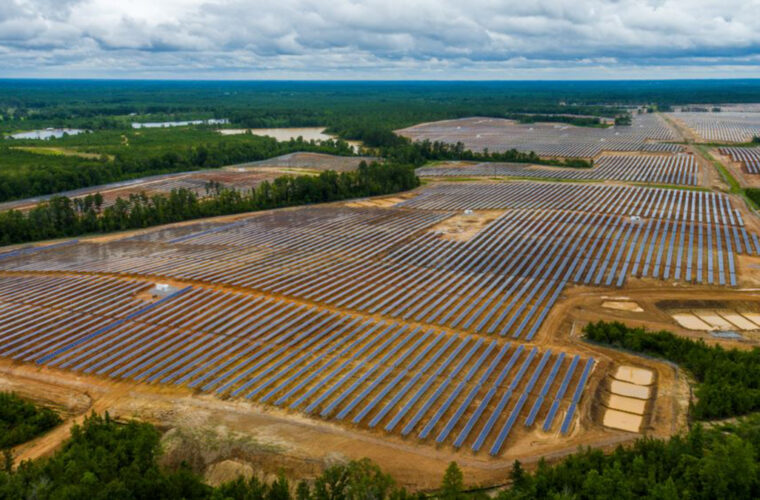
Driver Solar project represents a strategic step toward integrating utility-scale renewable generation into the state’s traditionally hydro- and thermal-dominated grid. This significant development highlights a growing recognition of solar power’s economic and operational benefits, even in regions without aggressive renewable mandates. By harnessing the state’s underutilized solar resources, Driver Solar provides cost-competitive electricity while creating new economic opportunities for rural communities and enhancing grid diversity.
Significance & Context
The Driver Solar project is a notable addition to the Arkansas power grid, which is primarily managed by utilities like Entergy Arkansas and SWEPCO within the Midcontinent Independent System Operator (MISO) framework. Its development is largely market-driven, responding to declining solar costs and increasing interest from commercial and industrial customers seeking clean energy options. The project contributes to a more diversified state energy portfolio, reducing reliance on single fuel sources and supporting long-term price stability—an objective noted in the Arkansas Public Service Commission integrated resource planning reviews.
Development Timeline
Development for Driver Solar began in the early 2020s, as solar economics became increasingly favorable. Key milestones included securing land leases from local landowners, obtaining necessary county permits, and finalizing a power purchase agreement with a utility or corporate buyer. Construction commenced in 2023, and the project achieved commercial operation in 2025, following a streamlined development process.
Technology & Innovation
Driver Solar utilizes single-axis tracking systems paired with high-efficiency, durable solar panels suited to Arkansas’s humid subtropical climate. The project features advanced inverters that provide grid-support functions, helping to maintain voltage stability on the local distribution network. The facility also incorporates a pollinator-friendly habitat plan, planting native vegetation beneath the arrays to support local biodiversity and soil health—a practice gaining traction in the state’s agricultural regions.
Challenges & Controversies
A primary challenge for the Driver Solar project was navigating local land-use perceptions in a community with strong agricultural ties. Some residents expressed concerns about the conversion of farmland and the project’s visual impact on the rural landscape. The developers addressed these concerns through proactive community engagement, including public meetings and collaboration with county officials. They emphasized the project’s temporary land use, binding decommissioning plan, and substantial economic benefits, which helped build local support and secure necessary approvals.
Community & Economic Impact
For the host county, Driver Solar provides a meaningful economic boost. During the construction phase, the project typically employed over 150 workers, providing a temporary but significant stimulus for local businesses. The permanent operations and maintenance team creates several long-term, skilled positions. The project likely contributes a substantial increase in property tax revenue over its operational life, providing crucial funding for local schools, public safety, and infrastructure—a fiscal benefit recognized by the Arkansas Association of Counties. Landowners receive a stable source of lease income.
Future Outlook
The successful commissioning of Driver Solar reinforces Arkansas’s potential as a growing solar market in the Mid-South. It provides a replicable model for future projects that can balance clean energy development with agricultural community interests. As battery storage costs decline, the site is a logical candidate for a future co-located energy storage system, which would allow it to supply power during evening peak hours and further enhance its value to the grid. Driver Solar exemplifies a pragmatic path toward a more diverse and resilient energy future for Arkansas.
See also at Arkansas: Big Cypress Solar farm