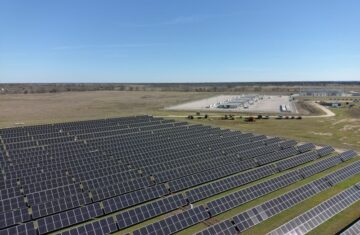
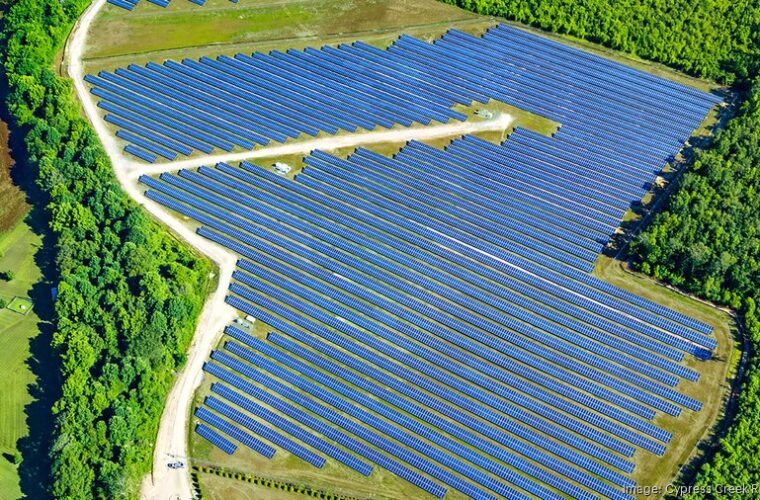
Big Cypress Solar Farm represents a significant advancement in the state’s renewable energy portfolio, demonstrating how solar development can complement traditional farming while creating new economic opportunities in the Mississippi Delta region. This project exemplifies Arkansas’s emerging role in the Southeast’s clean energy transition while maintaining the agricultural character of rural communities.
Significance & Context
The Big Cypress Solar Farm is a 100-megawatt (AC) facility developed by Lightsource bp on private land in Arkansas. The project’s output is purchased by Entergy Arkansas as part of the utility’s commitment to expanding renewable energy options for its customers. According to data from the U.S. Energy Information Administration (EIA), the facility generates enough electricity to power approximately 20,000 homes. This clean energy contribution displaces an estimated 150,000 metric tons of carbon dioxide emissions annually, supporting Arkansas’s progress toward a more diverse electricity grid while leveraging the region’s strong solar resources.
Development Timeline
The project’s development began with comprehensive site assessment and land acquisition in 2019. A key milestone was reached when the project received necessary approvals from the Arkansas Public Service Commission and local authorities. The development team successfully navigated the local permitting process with the relevant county government and completed interconnection studies. Construction commenced in 2022, and the project achieved commercial operation in late 2023.
Technology & Innovation
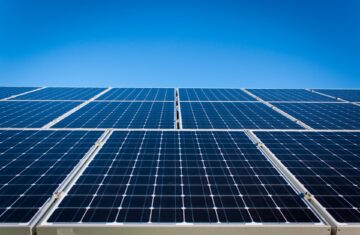
The Big Cypress Solar Farm utilizes solar technology specifically engineered for Arkansas’s humid subtropical climate. The facility features single-axis tracking systems with enhanced corrosion resistance to withstand the region’s high humidity levels. The project employs bifacial panel technology that captures both direct and reflected light, particularly effective in areas with high ground moisture. According to performance data from the National Renewable Energy Laboratory (NREL), this configuration provides reliable energy production in the region’s specific climate conditions. Advanced inverters ensure stable integration with the regional grid while providing essential voltage support.
Challenges & Controversies
A significant challenge for the Big Cypress Solar project involved addressing the site’s specific hydrological conditions in the Mississippi Delta floodplain. The area’s high water table and seasonal flooding required innovative engineering solutions for foundation design and drainage management. This challenge was resolved through collaboration with civil engineers to implement an elevated design with comprehensive water management systems that protect equipment while maintaining natural water flows. The project also implemented extensive community engagement to address questions about solar technology’s compatibility with the Delta’s agricultural identity and established vegetative buffers to minimize visual impact.
Community & Economic Impact
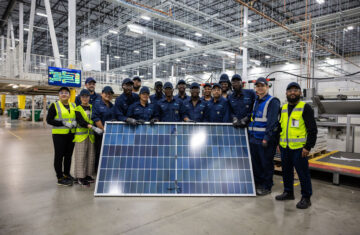
The Big Cypress Solar Farm provides substantial economic benefits to its host county. During the construction phase, the project typically employed 200-250 workers, according to workforce estimates from the Solar Energy Industries Association (SEIA). For long-term operations, it supports a permanent team of technicians for maintenance and monitoring. The project provides stable, long-term lease payments to local landowners, creating a reliable revenue source that complements traditional farming income. Based on Arkansas’s tax assessment models for utility-scale solar, the project likely contributes significant annual tax revenue to the county, directly benefiting local schools and public services.
Future Outlook
With an operational lifespan of 30+ years, the Big Cypress Solar Farm represents a long-term commitment to Arkansas’s energy future. The project’s success provides a replicable model for future solar development in the Delta region, demonstrating that utility-scale solar can thrive in Arkansas’s specific environmental conditions. The site’s infrastructure is designed with future potential in mind; it could potentially host co-located battery energy storage systems to enhance grid reliability. As Arkansas continues to explore renewable energy opportunities, the Big Cypress Solar Farm demonstrates how solar development can support both economic development and environmental goals while creating new opportunities for agricultural communities.
See also at Arkansas: West Memphis Solar Station