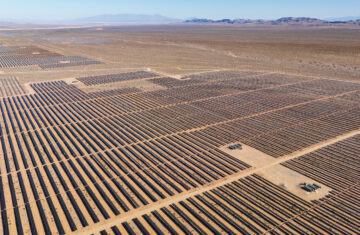
Southern Nevada, the Silver State Solar Power South project represents a strategic expansion of the state’s renewable energy infrastructure, demonstrating how sequential project development can optimize existing transmission corridors and build upon established environmental mitigation frameworks. This project exemplifies Nevada’s methodical approach to scaling solar generation while balancing energy development with desert conservation in ecologically sensitive regions.
Significance & Context
Developed by First Solar and owned by NextEra Energy Resources, the 250-megawatt (MW) Silver State Solar Power South facility complements the adjacent Silver State North project to form a combined 500 MW complex. According to generation data from the U.S. Energy Information Administration (EIA), the combined facilities produce enough electricity to power approximately 180,000 homes, significantly contributing to NV Energy‘s renewable portfolio standard compliance. Its location in Clark County, within the federally designated Dry Lake Solar Energy Zone, positions it to maximize energy production while following established guidelines for responsible desert development.
Development Timeline
The project’s development built upon the success of its northern counterpart to streamline implementation. Development activities began in 2015, with construction commencing in 2017 following approval from the U.S. Bureau of Land Management (BLM) which manages the federal lands. The project achieved commercial operation in 2019, as documented in NV Energy renewable energy reports. This accelerated timeline benefited from using the existing environmental impact statement and mitigation framework established for Silver State North, demonstrating how sequential development can reduce permitting timelines while maintaining environmental protections.
Technology & Innovation
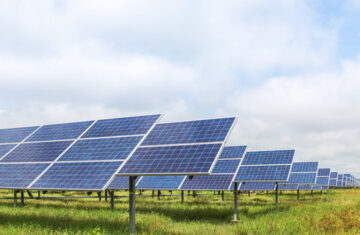
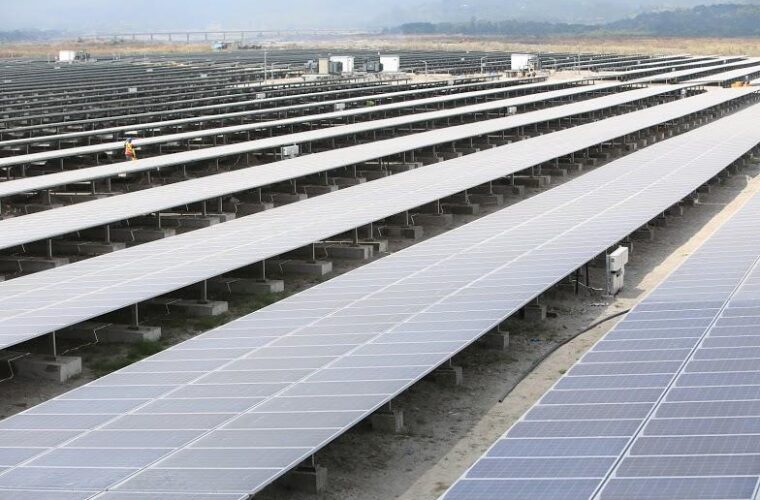
Silver State South utilizes Series 6 thin-film cadmium telluride (CdTe) photovoltaic modules on single-axis tracking systems, representing significant technological advances over the earlier northern facility. According to performance data from the National Renewable Energy Laboratory (NREL), these panels offer improved efficiency and better performance in high-temperature conditions. The project incorporates advanced inverters with grid-forming capabilities that provide essential reliability services to the local grid, including voltage support and frequency regulation. Water-free robotic cleaning systems and automated monitoring technology minimize environmental impact while maintaining optimal performance.
Challenges & Controversies
The project faced challenges related to cumulative impacts and concerns about further industrial development in desert habitats. Conservation groups including the Center for Biological Diversity raised issues about additional habitat fragmentation and impacts on desert tortoise connectivity. The resolution involved enhancing the existing mitigation framework through additional conservation measures, including funding for advanced wildlife monitoring technology and creating additional protected habitat areas. The project also implemented improved dust control measures using native vegetation and specialized fencing designs that allowed for wildlife movement while minimizing construction impacts.
Community & Economic Impact
For Clark County and the surrounding region, the project has delivered substantial economic benefits while building upon existing community relationships. During construction, the project typically employed 300-400 workers, with continued emphasis on local hiring from the Las Vegas metropolitan area. For ongoing operations, the combined complex maintains 20-25 permanent positions. Based on Clark County’s tax assessment models for utility-scale solar, the project likely contributes approximately $1.2-1.6 million annually in property tax revenue to local governments. The project continues to provide lease payments to the Bureau of Land Management, with revenues supporting conservation initiatives and local community services throughout southern Nevada.
Future Outlook
With an expected operational lifespan of 30+ years, the Silver State Solar Power South facility represents a long-term commitment to Nevada’s renewable energy future. The project’s success in building upon existing development frameworks provides a model for responsible expansion of renewable energy in sensitive ecosystems. As Nevada continues toward its goal of 50% renewable energy by 2030, the Silver State complex remains a cornerstone of the state’s clean energy transition. The project’s technological innovations and environmental mitigation approaches continue to inform best practices for solar development in the desert Southwest, demonstrating how careful planning and sequential development can balance climate goals with environmental protection.