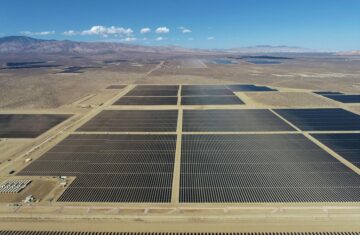
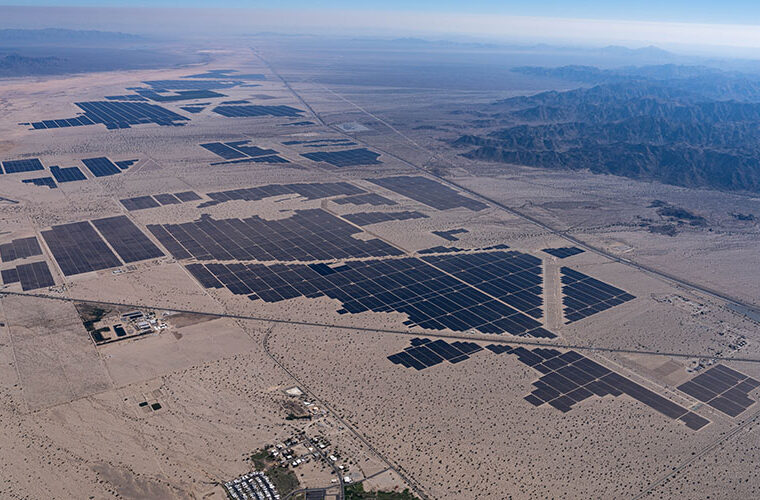
In the sun-baked San Joaquin Valley, where agriculture and energy intersect, the Golden Field Solar III project represents a strategic evolution in California’s renewable energy landscape. As the latest phase in a larger solar complex in Kern County, this facility is more than just an expansion of capacity; it is a model for repurposing underutilized or impaired land to meet the state’s ambitious climate goals. By integrating advanced solar technology in a region grappling with water scarcity and economic transition, Golden Field Solar III exemplifies how clean energy development can drive local economic resilience while supporting grid reliability.
Significance & Context
The Golden Field Solar III project is a critical contributor to California’s mandate for 100% clean electricity by 2045. Its location in Kern County is strategic, leveraging existing transmission infrastructure from the region’s legacy energy production. The project helps offset the retirement of fossil fuel plants and natural gas generation, particularly during the late afternoon when solar power is crucial for meeting peak demand on the California Independent System Operator (CAISO) grid. As noted in the California Energy Commission’s Integrated Energy Policy Report, utility-scale solar in the Valley is essential for achieving state targets and enhancing climate resilience.
Development Timeline
Development of the Golden Field Solar III phase began in the early 2020s, building on the success and infrastructure of its predecessors. The timeline involved securing amendments to existing permits, finalizing power purchase agreements with utilities, and navigating the interconnection process with CAISO. Construction commenced in 2023, benefiting from lessons learned in earlier phases, and the project achieved commercial operation in 2025, aligning with the state’s accelerated timeline for adding new clean energy resources.
Technology & Innovation
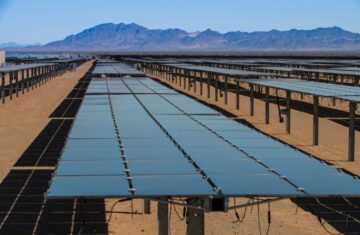
Golden Field Solar III utilizes high-efficiency monocrystalline PERC panels mounted on single-axis tracking systems, optimized for the high solar irradiance of the Central Valley. A key innovation in this phase is the use of a robotic cleaning system to maintain panel efficiency while minimizing water consumption—a critical consideration in drought-prone California. The project also features advanced inverters with grid-forming capabilities, providing essential voltage support to the local grid and improving stability, a technology highlighted by the National Renewable Energy Laboratory (NREL) as vital for renewable integration.
Challenges & Controversies
A significant challenge for the project involved addressing compatibility with local agricultural activities. Some stakeholders expressed concerns about the conversion of land and potential impacts on rural character. The developers addressed these concerns by selecting sites with lower agricultural value and implementing a pollinator-friendly habitat plan under and around the solar arrays, a practice supported by the University of California Division of Agriculture and Natural Resources. This approach not only mitigated environmental concerns but also created potential benefits for local farming through enhanced ecosystem services.
Community & Economic Impact
For Kern County, Golden Field Solar III provides a substantial economic benefit during both construction and operation. The construction phase typically employed 200-300 workers, providing temporary but significant local employment. While permanent operational jobs are fewer, they represent skilled, long-term positions in the growing clean energy sector. The project likely contributes a major increase in property tax revenue through Kern County’s Solar Power Plant Franchise Fee program, which directs funds to local services—a model analyzed by the Kern County Administrative Office. Landowners receive stable lease payments, creating a drought-resistant revenue stream.
Future Outlook
The completion of Golden Field Solar III solidifies Kern County’s position as California’s renewable energy hub. The project demonstrates the scalability of solar development on compatible lands in the Valley. Looking ahead, the site has strong potential for coupling with battery energy storage systems, allowing it to shift solar generation into the evening hours—a capability increasingly valued by CAISO. As California continues its energy transition, Golden Field Solar III serves as a replicable model for balancing clean energy goals with agricultural preservation and community benefit.