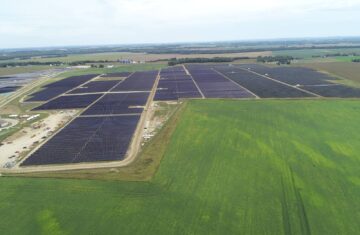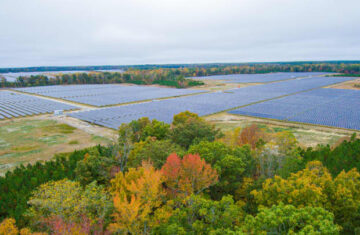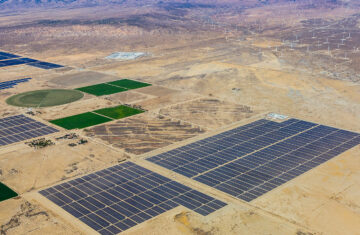
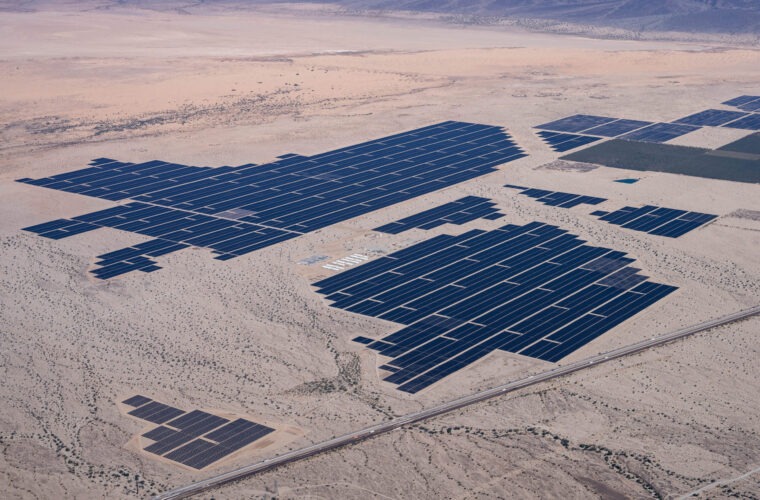
In California’s ambitious journey toward a decarbonized grid, the Victory Pass Solar Farm represents a critical evolution in how the state approaches large-scale renewable energy development. Situated on previously disturbed agricultural land in the San Joaquin Valley, this project directly addresses the dual challenges of meeting clean energy targets and managing the region’s critical groundwater resources. By repurposing retired farmland, Victory Pass provides a sustainable pathway for economic transition in communities affected by the state’s Sustainable Groundwater Management Act (SGMA), turning environmental constraints into clean energy opportunities.
Significance & Context
The Victory Pass Solar Farm is a strategically important asset for the California Independent System Operator (CAISO) grid, contributing significantly to the state’s mandate of 100% clean electricity by 2045. Its location is particularly significant, as it is built on land retired from agricultural production due to water scarcity, aligning with the goals of California’s Sustainable Groundwater Management Act (SGMA). The project helps replace lost local tax revenue from fallowed land while generating power for the region’s growing demand, a synergy highlighted in reports from the Public Policy Institute of California.
Development Timeline
Development for Victory Pass Solar accelerated in the early 2020s, coinciding with the implementation of SGMA and the identification of potentially fallowed farmland. Key milestones included securing land options from multiple landowners, navigating county permitting processes, and finalizing a power purchase agreement with a community choice aggregator. Construction commenced in 2023, and the project achieved commercial operation in 2025, demonstrating a relatively rapid development timeline for a project of its scale.
Technology & Innovation
The Victory Pass Solar Farm utilizes single-axis tracking systems with bifacial solar panels, maximizing energy capture in the Valley’s high-irradiance environment. A key innovation is its agrivoltaic integration, specifically designed for the site’s post-agricultural conditions. The project maintains pollinator habitats and allows for sheep grazing beneath the panels, supporting local biodiversity and agricultural activity. The facility also employs a water-free robotic cleaning system to maintain panel efficiency without consuming scarce water resources.
Challenges & Controversies
A significant challenge for the Victory Pass project was addressing local concerns about dust control and soil management on the recently retired farmland. Community members and county officials were concerned about potential particulate matter emissions from the disturbed, dry soil. The developers resolved this issue by implementing an immediate and extensive dust mitigation plan, including the rapid establishment of native, low-water ground cover and the use of temporary windbreaks during construction, which exceeded the requirements of the San Joaquin Valley Air Pollution Control District.
Community & Economic Impact
For the local county, Victory Pass Solar provides a crucial economic stabilizer. During construction, the project typically employed over 250 workers, offering employment in a region experiencing agricultural transition. The permanent operations team creates 10-15 long-term skilled positions. Most importantly, the project likely contributes a substantial and predictable stream of property tax revenue, replacing funds lost from the decline in agricultural production—a vital benefit for local schools and services documented by the California State Association of Counties. Landowners receive a reliable new income source from otherwise unproductive land.
Future Outlook
The successful commissioning of Victory Pass Solar establishes a replicable model for repurposing retired farmland across the San Joaquin Valley, offering a sustainable alternative to permanent fallowing. Its agrivoltaic approach provides a template for dual-use solar development that maintains connections to the region’s agricultural heritage. As battery storage costs decline, the site is ideally suited for co-located storage, which would enhance its ability to deliver power during evening peak periods. Victory Pass Solar demonstrates that California’s clean energy and water sustainability goals can be pursued in tandem, creating resilient rural economies in the process.
See also at California: Sandrini Solar 200