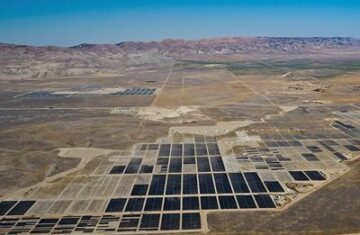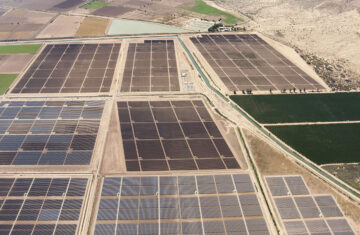
Southwestern Arizona, the White Wing Solar Farm represents a strategic investment in renewable energy that leverages some of North America’s most intense solar resources while addressing the unique environmental challenges of the Sonoran Desert. This project demonstrates how utility-scale solar development can bring economic opportunities to agricultural regions while operating within the delicate balance of desert ecosystems.
Significance & Context
Developed by NextEra Energy Resources, the 100-megawatt (MW) White Wing Solar Farm contributes significantly to Arizona’s renewable energy goals while operating within the Salt River Project (SRP) system. According to generation data from the U.S. Energy Information Administration (EIA), the facility produces enough electricity to power approximately 30,000 homes, supporting Arizona’s transition to cleaner energy sources. Its location in Yuma County, which boasts the highest solar irradiance levels in the United States, positions it to maximize energy production while adhering to Arizona’s guidelines for responsible desert development.
Development Timeline
The project’s development followed Arizona’s streamlined regulatory process for renewable energy. Development activities began in 2019, with the project receiving approval from the Yuma County Board of Supervisors in 2021 after comprehensive environmental review. Construction commenced in 2022, achieving commercial operation in 2024, as documented in Arizona Corporation Commission filings. This timeline reflected Arizona’s experience with desert solar projects and included additional consultation with agricultural stakeholders to address compatibility concerns in this important farming region.
Technology & Innovation
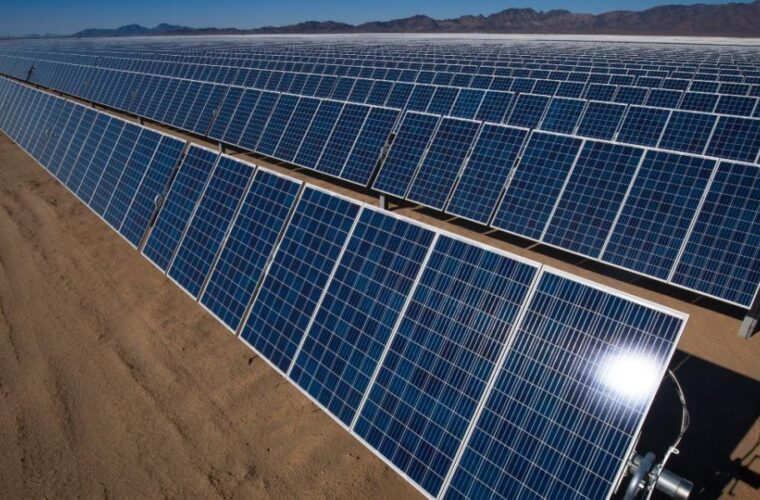
White Wing Solar utilizes single-axis tracking systems with bifacial photovoltaic modules, specifically engineered for extreme desert conditions. According to performance data from the National Renewable Energy Laboratory (NREL), this technology combination increases energy yield by 12-18% compared to conventional systems while withstanding high temperatures and intense UV exposure. The project incorporates completely water-free operations using automated robotic cleaning systems that employ air pressure and rotating brushes instead of water—a critical innovation in this drought-prone region. Advanced inverters with grid-forming capabilities provide essential reliability services to the local grid.
Challenges & Controversies
The project faced significant challenges related to desert conservation and concerns about impacts on sensitive ecosystems. Environmental groups including the Arizona Sonora Desert Museum raised concerns about habitat fragmentation and impacts on desert wildlife corridors. The resolution involved implementing a comprehensive Habitat Conservation Plan developed with the Arizona Game and Fish Department that included creating protected habitat areas, establishing wildlife corridors, and implementing monitoring programs for sensitive species. The project also addressed agricultural compatibility concerns through careful siting and maintaining buffer zones around active farming operations.
Community & Economic Impact
For Yuma County, where economic diversification is increasingly important, the project has delivered meaningful benefits. During construction, the project typically employed 150-200 workers, with strong local hiring preferences for county residents. For ongoing operations, it maintains 6-8 permanent positions. Based on Yuma County’s tax assessment models for utility-scale solar, the project likely contributes approximately $600,000-$800,000 annually in property tax revenue to local governments and school districts. Additionally, it provides stable lease payments to local landowners, creating a reliable income source that complements agricultural revenues and provides financial stability in a region where water availability affects farming viability.
Future Outlook
With an expected operational lifespan of 30+ years, the White Wing Solar Farm represents a long-term commitment to both clean energy and desert conservation. The project’s completely water-free approach and enhanced environmental mitigation strategies set important precedents for solar development in arid regions. As climate change intensifies drought conditions in the Southwest, the project’s conservation innovations become increasingly valuable. The facility’s performance data continues to inform best practices for solar development in sensitive ecosystems, while its operational experience contributes to improving the environmental compatibility and economic viability of renewable energy projects throughout the desert Southwest, demonstrating that clean energy goals can be achieved while respecting environmental constraints.
Check the biggest: Top 10 Solar Farms in USA