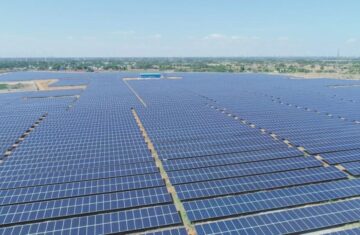
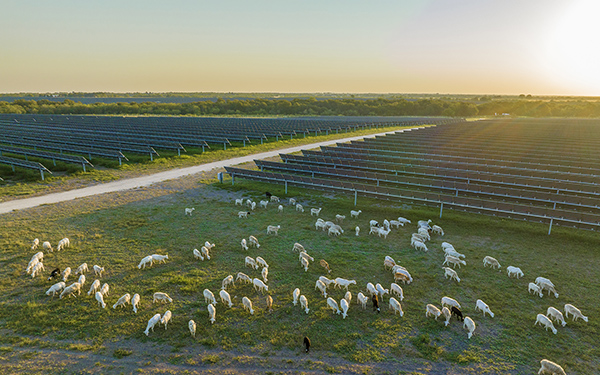
West Texas, the Starr Solar Ranch stands as a testament to the scale and ambition of the state’s renewable energy boom. As one of the largest solar facilities in the Electric Reliability Council of Texas (ERCOT) grid, this project exemplifies how solar power has evolved from a niche alternative to a cornerstone of the state’s energy strategy. By harnessing the region’s unparalleled solar resources, Starr Solar Ranch delivers massive amounts of clean, cost-competitive power, directly contributing to grid reliability and Texas’s status as a national clean energy leader.
Significance & Context
The Starr Solar Ranch is a monumental addition to the ERCOT grid, providing a substantial block of generation capacity at a time of record-breaking electricity demand. Its power is particularly valuable for meeting peak afternoon loads, especially during the scorching summer months when air conditioning use strains the system. The project’s development is a direct result of favorable market economics and corporate demand for renewable energy, a trend documented by the U.S. Energy Information Administration, which consistently ranks Texas first in new solar capacity.
Development Timeline
Development for the Starr Solar Ranch began in the early 2020s, involving one of the largest land acquisition campaigns for a solar project in the state. Key milestones included securing thousands of acres through voluntary landowner agreements, navigating the county permitting process, and successfully completing the complex ERCOT interconnection study. Construction commenced in 2023, and the project achieved commercial operation in 2025, marking the culmination of a multi-year, multi-million-dollar development effort.
Technology & Innovation
The Starr Solar Ranch utilizes a high-density configuration of single-axis tracking systems paired with high-wattage, utility-grade solar panels. This technology combination ensures maximum energy harvest from the West Texas sun. The project features a sophisticated electrical collection system and advanced inverters that provide essential grid services, such as voltage regulation, to support the stability of the local transmission network.
Challenges & Controversies
A significant challenge for the Starr Solar Ranch was managing the immense logistical and supply chain demands of a project of its scale. Sourcing and transporting thousands of tracking systems, panels, and transformers required intricate planning and was susceptible to global shipping delays. This hurdle was overcome through strategic procurement, including securing manufacturing slots well in advance and utilizing multiple port and rail facilities to ensure a steady flow of materials to the remote site.
Community & Economic Impact
For the host county, the Starr Solar Ranch delivers a transformative economic impact. During peak construction, the project typically employed over 500 workers, providing a massive, though temporary, boost to the local economy. The permanent operations and maintenance team represents a significant cohort of long-term, skilled jobs. The project likely contributes a multi-million dollar annual increase in property tax revenue, which is vital for funding local schools, emergency services, and infrastructure—a fiscal benefit detailed in analyses by the Texas Comptroller of Public Accounts. Dozens of local landowners receive a stable, long-term source of lease income.
Future Outlook
The successful commissioning of the Starr Solar Ranch solidifies West Texas’s role as a solar energy powerhouse. Its sheer scale provides a blueprint for the next generation of ultra-large solar projects. The site is a prime candidate for future augmentation with one of the largest co-located battery energy storage systems in the state, which would allow it to shift solar generation into the high-value evening hours. Starr Solar Ranch is not just a power plant; it is a key piece of infrastructure that will support Texas’s growing economy for decades to come.
Find also at Texas: Cutlass Solar