In the expansive landscape of Texas energy, the Bluebell Solar Farm II represents a significant stride in the state’s diversification beyond its fossil fuel roots. As one of the latest utility-scale renewable projects to come online, it underscores a pivotal shift: the nation’s traditional energy capital is rapidly becoming a leader in solar power generation. This project not only contributes megawatts to the grid but also serves as a concrete example of how large-scale infrastructure can balance technological ambition with local economic and environmental considerations.
Significance & Context
The Bluebell Solar Farm II capitalizes on Texas’s dual advantages: abundant sunshine and a robust, competitive energy market. Located within the Electric Reliability Council of Texas (ERCOT) grid, the project injects a substantial amount of clean power directly into a network known for its high demand. Its development is a direct response to growing electricity needs from both population growth and industrial expansion. By offsetting the need for power from natural gas peaker plants, Bluebell Solar II enhances grid reliability while contributing to broader decarbonization goals, a trend tracked by the U.S. Energy Information Administration (EIA) for Texas.
Development Timeline
The project’s journey from conception to completion followed a trajectory typical of major infrastructure developments. Initial land acquisition and feasibility studies began in the late 2010s, with serious development momentum building around 2021. The critical phases of permitting and securing interconnection agreements were navigated successfully, leading to the final investment decision and the start of construction in 2022. The project achieved commercial operation in 2023, a timeline consistent with data found in ERCOT’s Generation Interconnection Status reports.
Technology & Innovation
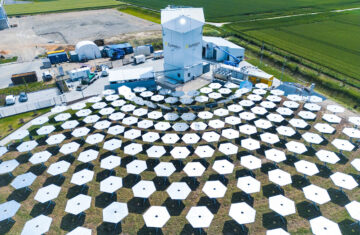
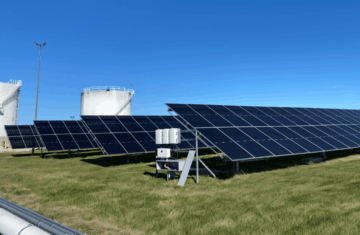
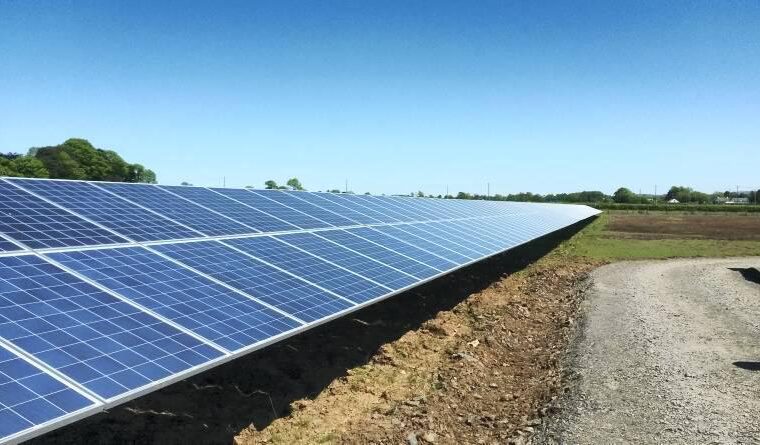
Bluebell Solar Farm II utilizes contemporary photovoltaic (PV) technology on a massive scale. The project features high-efficiency monocrystalline silicon panels, mounted on single-axis tracking systems that increase energy capture. This use of industry-proven, yet advanced, technology ensures maximum efficiency and reliability. The performance characteristics of such technology are well-documented by the National Renewable Energy Laboratory (NREL) PVWatts Calculator, which models energy production for specific locations.
Challenges & Controversies
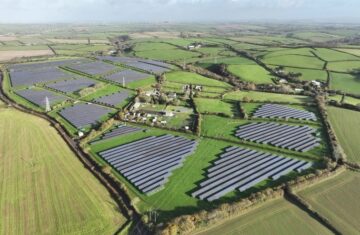
Like all large-scale projects, Bluebell Solar II faced its share of hurdles. A primary challenge involved navigating the local permitting process and addressing concerns from some community members regarding land use and visual impact. Questions about the conversion of agricultural land were raised during public hearings, a common topic covered by local journalism outlets like the Texas Tribune’s Energy and Environment section. The developers addressed these concerns through community engagement meetings, providing detailed studies and highlighting the temporary nature of the land lease, which preserves it for future agricultural use.
Community & Economic Impact
The economic footprint of Bluebell Solar Farm II is tangible at the local level. During the peak construction phase, the project typically employs several hundred workers. Once operational, it creates permanent skilled jobs for maintenance. For local governments, the project likely contributes a substantial increase in property tax revenue, which can be allocated to public services like schools—a fiscal benefit analyzed by the Texas Comptroller of Public Accounts. Furthermore, the landowners who lease their property receive a stable, long-term source of income, providing financial resilience.
Future Outlook
The completion of Bluebell Solar Farm II is not an endpoint but part of an ongoing expansion. Its success demonstrates the continued viability of solar power in Texas. As battery energy storage system (BESS) costs decline, there is potential for Bluebell Solar II to be coupled with storage, allowing it to supply power after sunset and further stabilize the grid, a trend forecast by the EIA’s Annual Energy Outlook. The project stands as a testament to the evolving energy landscape, where renewable assets are increasingly critical to meeting demand reliably and sustainably.
Discover also at: Titan Solar Project