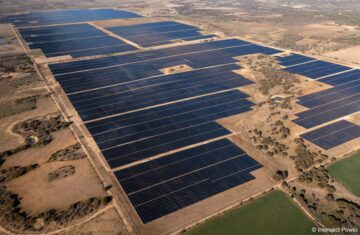
Galloway 2 Solar Farm represents the strategic expansion of a successful renewable energy complex, demonstrating how phased development can optimize infrastructure and maximize grid impact in the nation’s leading energy state. This project exemplifies the maturation of solar power as a reliable, utility-scale generation source capable of competing in Texas’s competitive electricity market.
Significance & Context
The Galloway 2 Solar Farm is a 150-megawatt (AC) facility developed by Recurrent Energy as an expansion of the existing Galloway solar complex. The project sells its power through a long-term power purchase agreement to Austin Energy, supporting the city’s goal of achieving 100% carbon-free electricity by 2035. According to data from the Electric Reliability Council of Texas (ERCOT), the combined Galloway complex generates enough electricity to power approximately 60,000 homes. This phase alone displaces an estimated 240,000 metric tons of carbon dioxide emissions annually, contributing significantly to grid diversification and carbon reduction goals.
Development Timeline
The project’s development leveraged lessons learned from the original Galloway Solar Farm, with planning for the expansion beginning in 2020. A key milestone was the execution of the power purchase agreement with Austin Energy, building upon the existing relationship established with the first phase. The development team efficiently navigated the interconnection process with ERCOT, benefiting from existing grid infrastructure. Construction commenced in 2023, and the project achieved commercial operation in 2025.
Technology & Innovation
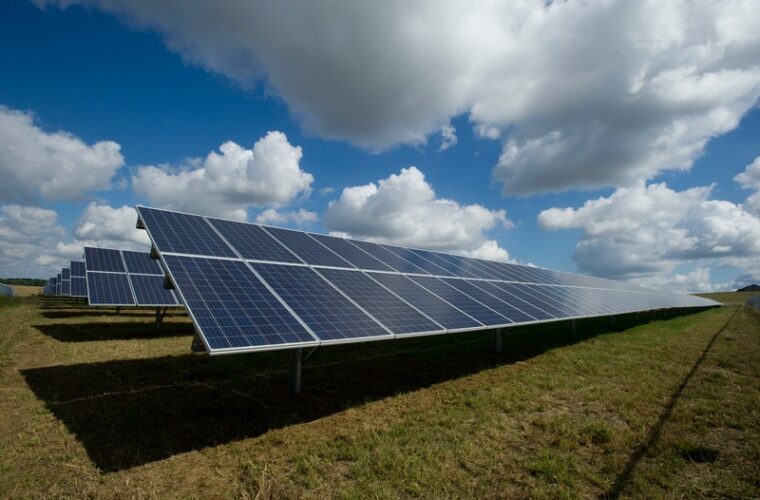
The Galloway 2 Solar Farm utilizes enhanced solar technology that represents an evolution from the original installation. The facility features single-axis tracking systems with bifacial solar panels, capturing both direct and reflected light to increase energy yield. According to performance data from the National Renewable Energy Laboratory (NREL), this configuration provides approximately 5-10% greater efficiency than the technology used in the first phase. The project also incorporates advanced string inverters with improved monitoring capabilities, allowing for more precise performance optimization and faster response to grid conditions.
Challenges & Controversies
A significant challenge for the Galloway 2 project involved optimizing construction to minimize disruption to the operational first phase while maintaining cost efficiency. The need to coordinate new construction alongside an active power plant required careful planning to ensure worker safety and uninterrupted electricity generation from the existing facility. This challenge was resolved through phased construction scheduling, separate access roads, and integrated control systems that allowed both phases to operate independently during the transition period. The project also implemented enhanced dust control measures to address air quality concerns during the expansion.
Community & Economic Impact
The Galloway 2 Solar Farm provides continued economic benefits to its host county. During the construction phase, the project typically employed 250-350 workers, according to workforce estimates from the Solar Energy Industries Association (SEIA). For long-term operations, it supports additional permanent technicians who maintain both phases of the complex. The expansion provides increased, stable lease payments to local landowners. Based on the Texas Comptroller’s guidelines on property tax abatements for renewable energy, the project likely contributes significant additional annual tax revenue to the county, benefiting local services and school districts beyond the original phase’s contributions.
Future Outlook
With an operational lifespan exceeding 30 years, the Galloway 2 Solar Farm solidifies the complex’s long-term role in Texas’s energy portfolio. The successful expansion demonstrates the viability of building upon existing solar infrastructure to maximize land and transmission resources. The site’s combined infrastructure creates potential for future battery energy storage systems (BESS) that could serve both phases, significantly enhancing the complex’s value by allowing energy storage for peak demand periods. As Texas continues to lead in renewable energy development, the Galloway Solar Complex serves as a model for how phased development can optimize investments while supporting both local communities and statewide sustainability goals.
Discover also at: Crane Solar Project