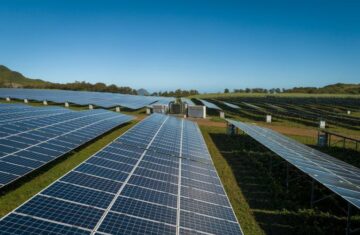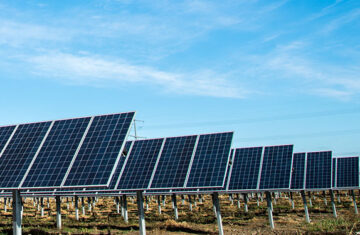
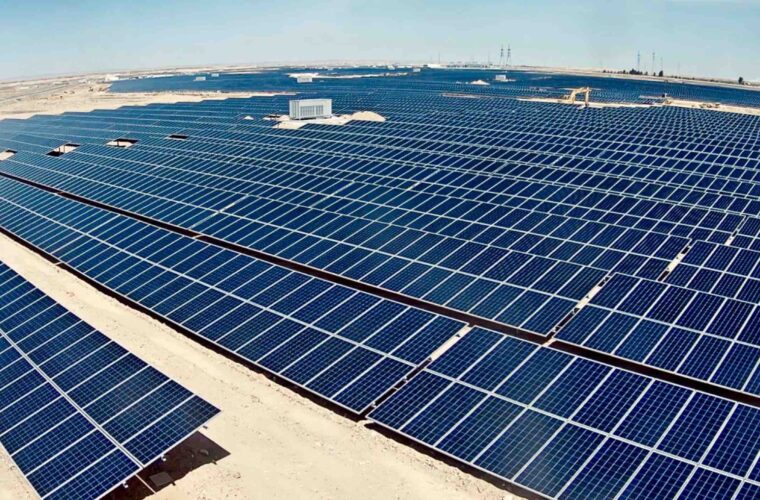
East Pecos Solar Farm represents the strategic expansion of renewable energy in a region traditionally dominated by oil and gas, demonstrating how solar development can create economic diversification while complementing existing energy infrastructure. This project exemplifies the evolving energy landscape in Texas, where renewable resources increasingly contribute to grid reliability and local economic stability.
Significance & Context
Developed by Longroad Energy, the 120-megawatt (MW) East Pecos Solar Farm enhances Texas’ position as a national leader in renewable energy generation while operating within the competitive Electric Reliability Council of Texas (ERCOT) market. According to generation data from the U.S. Energy Information Administration (EIA), the facility produces enough electricity to power approximately 36,000 homes, contributing to grid diversity following Texas’ weather-related reliability challenges. Its location in Pecos County, within the active Permian Basin region, positions it to leverage existing energy transmission infrastructure while providing local economic benefits to a community experienced with energy development.
Development Timeline
The project’s development progressed through Texas’s streamlined regulatory process for renewable energy. Development activities began in 2021, with construction commencing in 2023 following power purchase agreements with commercial and municipal off-takers. The project achieved commercial operation in 2024, as documented in ERCOT Generation Interconnection Queue reports. This efficient timeline reflects Texas’s experience with utility-scale solar development, though the project still required comprehensive environmental review and community engagement to address local concerns about land use compatibility.
Technology & Innovation
East Pecos Solar utilizes single-axis tracking systems with bifacial photovoltaic modules, capturing reflected light from the desert surface to increase energy yield. According to performance studies from the National Renewable Energy Laboratory (NREL), this technology combination can increase energy production by 10-15% compared to conventional single-sided panels. The project incorporates advanced inverters with grid-forming capabilities that provide essential voltage support and frequency regulation to enhance stability in the West Texas grid. Automated water-free cleaning systems and dust mitigation technology maintain panel efficiency while minimizing water usage in the arid environment.
Challenges & Controversies
The project faced challenges related to land use coordination with existing oil and gas operations and concerns about impacts on local agriculture. Some community members expressed apprehension about industrial development and potential conflicts with working agricultural lands. The resolution involved implementing a comprehensive Land Use Compatibility Plan developed with local stakeholders that included maintaining agricultural operations around panels, establishing clear protocols for oilfield access, and using reversible mounting systems. The project also addressed water conservation concerns through completely water-free operations and implemented measures to protect existing agricultural drainage patterns.
Community & Economic Impact
For Pecos County, the project has delivered valuable economic diversification alongside traditional energy sectors. During construction, the project typically employed 180-220 workers, providing local employment opportunities during the development phase. For ongoing operations, it maintains 6-8 permanent positions. Based on Pecos County’s tax assessment models for utility-scale solar, the project likely contributes approximately $700,000-$900,000 annually in property tax revenue to local governments and school districts. Additionally, it provides stable lease payments to local landowners, creating a reliable income source that complements both agricultural revenues and oil and gas royalties, providing economic resilience through energy market cycles.
Future Outlook
With an expected operational lifespan of 30+ years, the East Pecos Solar Farm represents a long-term investment in Pecos County’s energy future. The project’s success in integrating with existing energy and agricultural operations demonstrates a practical model for energy diversification in resource-rich regions. As Texas’ grid continues to evolve, the project’s ability to provide zero-marginal-cost energy during peak daylight hours contributes to overall grid stability and affordability. The project’s coexistence with traditional energy sectors provides a template for how regions with strong fossil fuel heritage can embrace renewable energy while maintaining their economic foundations, positioning West Texas communities for continued leadership in America’s diversified energy landscape.
There is also at Pecos: RE Maplewood Solar Farm