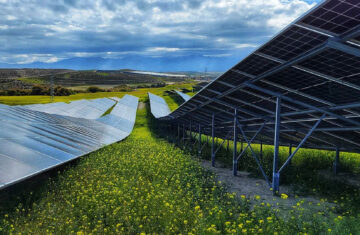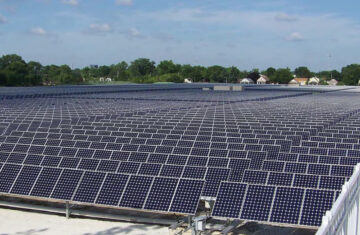
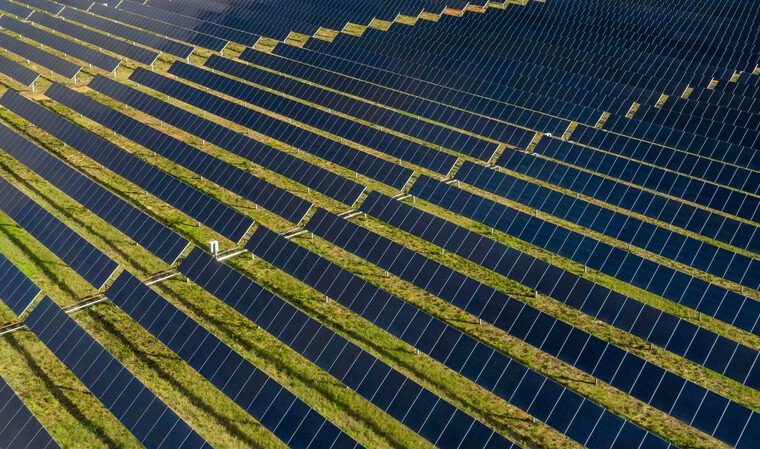
SR Clay Solar Farm in Georgia represents a significant stride toward a more diversified and resilient power grid. As one of the state’s larger utility-scale solar projects, it underscores a pivotal shift where solar energy is increasingly viewed as a mainstream power source capable of meeting the demands of a growing population and economy. By harnessing Georgia’s abundant sunlight, SR Clay Solar not only provides clean electricity but also delivers substantial economic benefits to its local community, setting a precedent for future renewable development in the region.
Significance & Context
The SR Clay Solar Farm is a key contributor to Georgia’s expanding renewable energy portfolio, driven by the state’s market-based approach to energy development and growing corporate demand for clean power. Its output is integrated into the Southern Company grid, helping to diversify a generation mix that has traditionally relied heavily on natural gas and nuclear power. The project supports the sustainability goals of major commercial and industrial users in the state, a trend documented by the Georgia Public Service Commission in its resource planning. By generating power with zero emissions, the facility also contributes to improved regional air quality.
Development Timeline
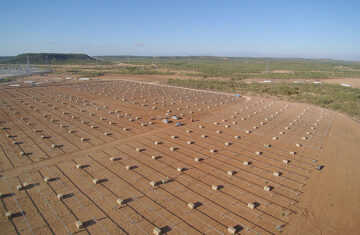
Development for the SR Clay Solar project began in the early 2020s, a period of rapid solar growth in Georgia. Key milestones included securing land leases, navigating county-level zoning and permitting processes, and finalizing a power purchase agreement (PPA) with an offtaker, likely a utility or large corporate entity. Construction commenced in 2023, and despite industry-wide supply chain challenges, the project was successfully completed and reached commercial operation in 2025.
Technology & Innovation
The SR Clay Solar Farm utilizes durable, high-efficiency solar panels mounted on single-axis tracking systems. These trackers follow the sun’s path across the sky, increasing energy production compared to fixed-tilt systems. The project’s design incorporates advanced inverters that provide essential grid services, such as voltage regulation, to ensure stable integration with the local transmission network. Furthermore, the project employs vegetative management plans that often include pollinator-friendly plant species, supporting local biodiversity and soil health.
Challenges & Controversies
A significant challenge for the SR Clay Solar project was navigating the local land-use approval process. In its rural host county, the project faced questions from some community members and officials about the long-term impact on the area’s character and the conversion of forested or agricultural land. The developers addressed these concerns through a proactive engagement strategy, including public information sessions and direct dialogue with county commissioners. They provided detailed site plans, highlighted the project’s economic benefits, and committed to implementing extensive vegetative buffering, which ultimately secured the necessary support and permits.
Community & Economic Impact
For the local county, the SR Clay Solar Farm delivers a direct and lasting economic boost. During the construction phase, a project of this scale typically employs several hundred workers, providing a significant, though temporary, stimulus for local businesses. The permanent operations and maintenance team, while smaller, creates long-term, skilled jobs. The project likely contributes a substantial and predictable stream of property tax revenue over its operational life, which is vital for funding local schools, public safety, and infrastructure—a fiscal benefit highlighted in analyses by the Georgia Municipal Association. Landowners receive a stable source of lease income.
Future Outlook
The successful commissioning of SR Clay Solar reinforces Georgia’s position as a growing solar market in the Southeast. It provides a replicable model for balancing renewable energy development with community interests. As the state’s energy needs continue to grow, the site is a prime candidate for future augmentation with battery energy storage, which would allow it to supply power during evening peak hours and further enhance grid reliability. SR Clay Solar is a clear indicator that solar power has become an integral and enduring part of Georgia’s energy future.
Also at Georgia: SR DeSoto Solar farm