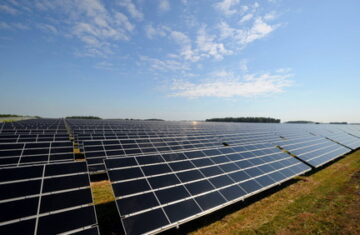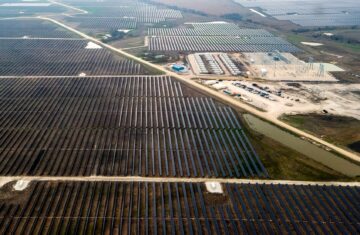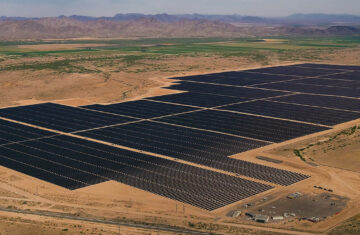
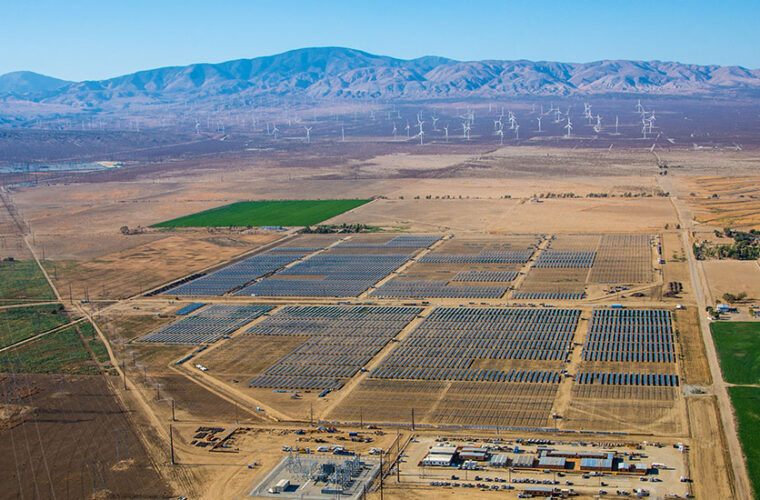
Solar Star 1 project emerged as a landmark achievement in utility-scale solar development, setting new global benchmarks for solar farm size and technological sophistication while establishing best practices for large-scale renewable energy projects in environmentally sensitive regions. When completed, it stood as the world’s largest solar farm, demonstrating the viability of gigawatt-scale solar generation and paving the way for the global utility-scale solar industry.
Significance & Context
Developed by SunPower (now Maxeon Solar Technologies) and operated by Berkshire Hathaway Energy, the 579-megawatt (MW) Solar Star 1 facility represented a quantum leap in solar development scale upon its completion. According to generation data from the California Energy Commission, the facility produces enough electricity to power approximately 255,000 homes, making it a cornerstone of California’s renewable energy infrastructure. Its location in Kern County, which boasts some of the best solar resources in North America, positioned it strategically to serve Southern California’s population centers while establishing the region as a global renewable energy leader.
Development Timeline
The project’s development marked a pioneering effort in gigawatt-scale solar implementation. Development activities began in 2011, with construction commencing in 2013 following approval from the Kern County Planning and Natural Resources Department. The project achieved commercial operation in 2015, as documented in Southern California Edison interconnection records. This timeline included extensive environmental review and community engagement processes, establishing new precedents for large-scale solar development in California’s agricultural regions while navigating the complexities of unprecedented project scale.
Technology & Innovation
Solar Star 1 utilized high-efficiency Maxeon solar panel technology with single-axis tracking systems, representing state-of-the-art technology at the time of construction. According to performance studies from the National Renewable Energy Laboratory (NREL), the tracking technology increased energy production by approximately 25% compared to fixed-tilt systems. The project incorporated a sophisticated electrical collection system and substation design that established new standards for managing power from distributed generation sources across large geographical areas. Advanced monitoring systems allowed for real-time optimization of performance across the massive facility.
Challenges & Controversies
The project faced significant challenges related to its unprecedented scale and environmental impacts. Conservation groups including the Sierra Club raised concerns about habitat fragmentation and impacts on endangered species such as the San Joaquin kit fox and blunt-nosed leopard lizard. The resolution involved implementing one of the most comprehensive Habitat Conservation Plans for a solar project at that time, developed in coordination with the California Department of Fish and Wildlife. This included creating thousands of acres of protected habitat, establishing wildlife corridors, and implementing successful species translocation programs that became models for subsequent solar developments.
Community & Economic Impact
For Kern County, the project delivered substantial economic benefits while establishing new standards for community engagement. During its three-year construction period, the project typically employed over 650 workers at peak, providing a significant boost to the local economy. For ongoing operations, it maintains approximately 25 permanent positions. Based on Kern County’s tax assessment models for utility-scale solar, the project likely contributes approximately $4-5 million annually in property tax revenue to local governments and school districts. Additionally, it provides stable lease payments to local landowners, creating a reliable income source that has helped sustain agricultural operations in the region while preserving the majority of the land for future agricultural use.
Future Outlook
With an expected operational lifespan of 30+ years, Solar Star 1 continues to serve as a vital asset for California’s clean energy transition. The project’s success demonstrated the bankability of utility-scale solar and paved the way for subsequent gigawatt-scale projects worldwide. As technology advances, the site may eventually be repowered with more efficient panels, potentially increasing its output without expanding its footprint. The project’s extensive environmental monitoring programs continue to provide valuable data for balancing renewable energy development with habitat conservation, while its operational experience informs best practices for large-scale solar facility management. As California continues toward its goal of 100% clean electricity, Solar Star 1 remains a foundational component of the state’s renewable energy infrastructure.
There is also Solar Star 2