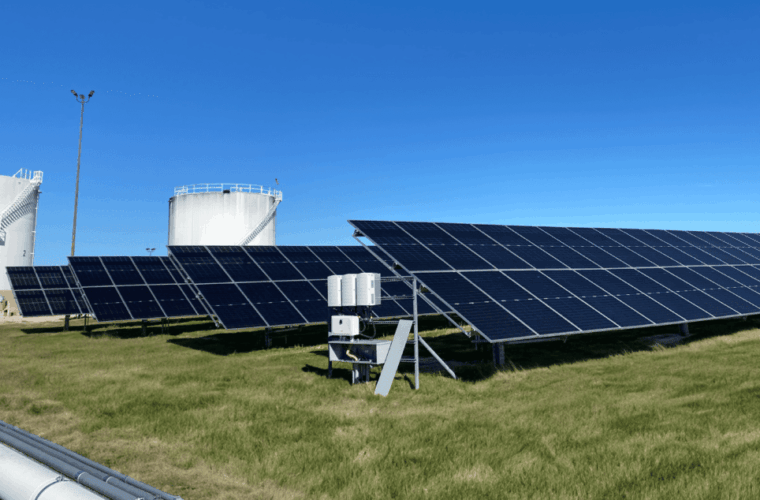
Butler Solar Project 103 represents a strategic investment in renewable energy that balances clean power generation with the preservation of the region’s unique natural resources and rural character. This project demonstrates how mid-scale solar development can provide meaningful economic benefits to rural communities while respecting the environmental values that make these regions special.
Significance & Context
Developed by D. E. Shaw Renewable Investments, the 80-megawatt (MW) Butler Solar Project 103 contributes to Nevada’s growing renewable energy portfolio while operating within the state’s framework for responsible development. According to generation data from the U.S. Energy Information Administration (EIA), the facility produces enough electricity to power approximately 24,000 homes, supporting NV Energy‘s compliance with the state’s renewable portfolio standard. Its location in Lander County, an area known for its wide-open spaces and natural beauty, required careful siting and design approaches to minimize visual and environmental impacts while maximizing energy production.
Development Timeline
The project’s development followed a measured, community-informed approach. Development activities began in 2019, with the project receiving approval from the Lander County Commission in 2021 after extensive environmental review and public consultation. Construction commenced in 2022, achieving commercial operation in 2024, as documented in NV Energy resource planning filings. This timeline reflected the additional consideration required for projects in rural regions with significant natural and recreational values, including consultation with local stakeholders and conservation groups.
Technology & Innovation
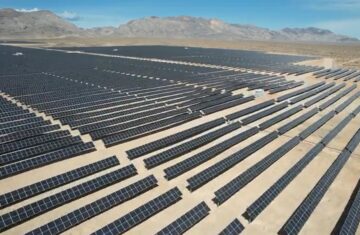
Butler Solar 103 utilizes fixed-tilt mounting systems with monocrystalline silicon photovoltaic modules, chosen for their reliability and lower visual profile in the sensitive high desert landscape. According to performance data from the National Renewable Energy Laboratory (NREL), this technology provides stable performance in the variable high-desert conditions while maintaining minimal visual impact. The project incorporates advanced glare reduction technology and natural-color equipment finishes to blend with the surrounding landscape. Water-free cleaning systems and native vegetation restoration programs further reduce the project’s environmental footprint in the arid environment.
Challenges & Controversies
The project faced significant challenges related to visual impacts and concerns about industrial development in a region valued for its natural character. Local residents and recreational users raised concerns about landscape alteration and impacts on scenic values. The resolution involved implementing a comprehensive Visual Impact Mitigation Plan developed with landscape architects and community input, which included strategic screening, terrain-conforming layout, and reduced lighting to preserve night skies. The project also established a Community Benefit Agreement that addressed specific local concerns and provided funding for community projects and conservation initiatives.
Community & Economic Impact
For Lander County, the project has delivered meaningful economic benefits while respecting community values. During construction, the project typically employed 120-150 workers, with strong local hiring preferences for county residents. For ongoing operations, it maintains 4-6 permanent positions. Based on Lander County’s tax assessment models, the project likely contributes approximately $300,000-$400,000 annually in property tax revenue to local governments and school districts. Additionally, it provides stable lease payments to local landowners, creating a new source of agricultural revenue that complements traditional land uses while providing economic diversification for the rural community.
Future Outlook
With an expected operational lifespan of 30+ years, the Butler Solar Project 103 represents a long-term commitment to both clean energy and community values. The project’s careful approach to visual mitigation and community engagement provides a model for future renewable development in sensitive rural landscapes. As technology advances, the site may incorporate additional energy storage or be repowered with more efficient panels that further reduce visual impact. The project’s success demonstrates that renewable energy development can respect and preserve the natural values that make rural communities unique while providing economic benefits that support their long-term sustainability, positioning Lander County as a participant in Nevada’s clean energy future.