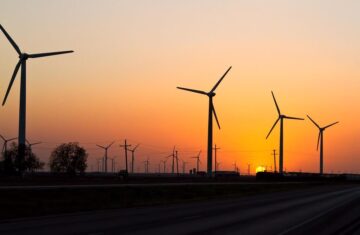
Spanning the scenic glacial hills of Columbia County, Wisconsin, the Glacier Hills Wind Park stands as a testament to the strategic integration of renewable energy into the Upper Midwest’s landscape and economy. As one of the largest wind projects in Wisconsin, it represents a significant utility investment in homegrown clean power, carefully balancing energy production with environmental stewardship and community partnership in a region valued for its natural beauty.
Significance & Context
The Glacier Hills Wind Park, developed and owned by We Energies (a subsidiary of WEC Energy Group), is a cornerstone of Wisconsin’s renewable energy infrastructure. With a total installed capacity of 162 megawatts (MW), the facility generates enough electricity to power approximately 45,000 Wisconsin homes annually, based on calculations from the U.S. Energy Information Administration (EIA). This output is a major contribution to We Energies’ generation mix, supporting state goals tracked by the Wisconsin Public Service Commission (PSC).
Development Timeline
The project’s development reflected a careful, utility-scale approach. Initial studies and community engagement began in the mid-2000s. Following environmental review and regulatory approval from the Wisconsin PSC, construction commenced in 2010. The Glacier Hills Wind Park achieved commercial operation in 2012, a date confirmed by its listing in the U.S. Wind Turbine Database and utility announcements.
Technology & Innovation
The park utilizes durable turbines, featuring 90 Vestas V100-1.8 MW turbines. A key innovation was the project’s extensive environmental siting and mitigation strategy. The layout was designed to follow glacial contours, avoiding sensitive areas, an approach aligning with best practices for minimizing impact, a topic researched by the National Renewable Energy Laboratory (NREL).
Challenges & Controversies
A primary challenge was navigating concerns related to the project’s visual impact on the scenic rural landscape and potential effects on property values. This sparked organized local opposition. This hurdle was resolved through a combination of regulatory process and negotiated agreements. The Wisconsin Public Service Commission granted the necessary certificate after a comprehensive review. Concurrently, We Energies implemented a Good Neighbor Program, offering property value guarantees to adjacent landowners, which helped build local acceptance.
Community & Economic Impact
For Columbia County and the townships involved, the wind park delivers significant long-term benefits. During its construction, the project typically employed 200-300 workers, according to industry models from the American Clean Power Association. Its operation provides a stable stream of property tax revenue, crucial for local schools and services, as detailed in Columbia County financial records. Furthermore, it provides guaranteed annual lease payments to participating landowners, a benefit for the rural economy supported by the University of Wisconsin-Madison Division of Extension.
Future Outlook
As a core utility asset, Glacier Hills Wind Park is positioned for decades of reliable operation. Its turbines are now mature, placing it on the horizon for future repowering, a strategy analyzed in NREL reports on wind plant modernization. Replacing the turbines could significantly increase output and renew economic benefits, aligning with Wisconsin’s energy planning under the Clean Energy Plan and within the Midcontinent Independent System Operator (MISO) grid framework.
At Freeborn County you can find also: Bent Tree Wind Farm