The Pathway to a Sustainable Future: The UK’s Energy Transition
The Urgency of Energy Transformation
The United Kingdom, like many nations worldwide, is facing the pressing challenge of transitioning its energy landscape to a more sustainable model. With the growing awareness of the impact of climate change and the need to reduce greenhouse gas emissions, the UK government has set ambitious targets to shift towards renewable and low-carbon energy sources.
According to the latest data from the UK’s Department for Business, Energy & Industrial Strategy (BEIS), in 2021, the UK’s total energy consumption stood at 141.2 million tonnes of oil equivalent (Mtoe), with the largest share coming from petroleum (41.1%), followed by natural gas (32.9%) and electricity (20.0%). This reliance on fossil fuels has contributed significantly to the country’s carbon footprint, necessitating a fundamental transformation in the way energy is produced and consumed.
The Renewable Energy Surge
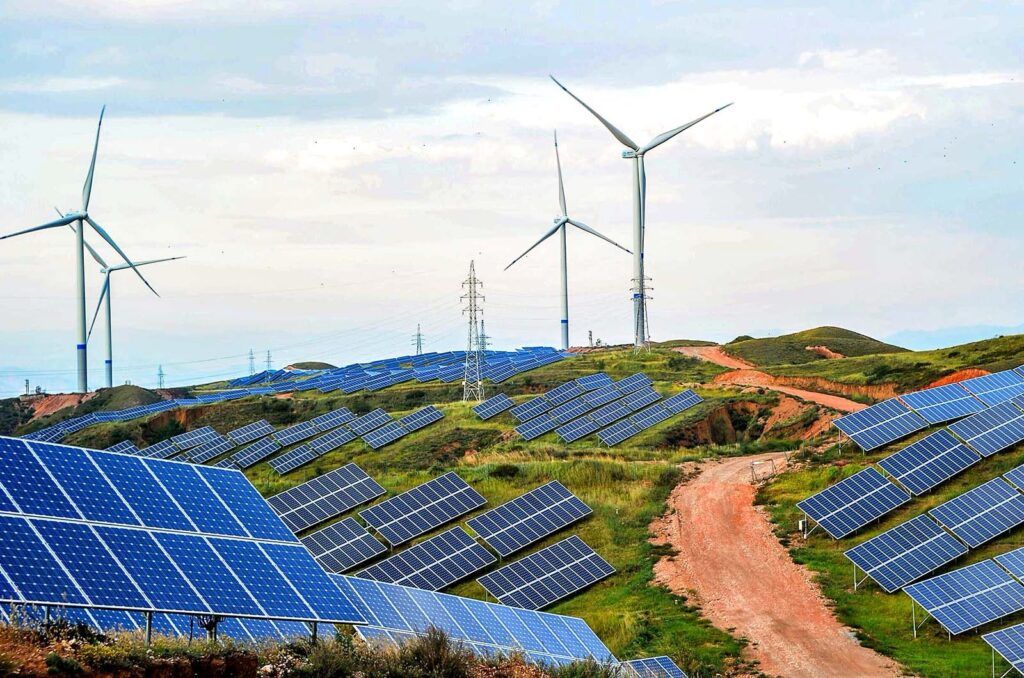
In recent years, the UK has made significant strides in increasing its renewable energy capacity. According to the UK’s Office for National Statistics (ONS), the share of electricity generated from renewable sources in the UK reached 29.5% in 2021, up from just 6.8% in 2010. This growth has been driven by a range of renewable technologies, including wind, solar, and bioenergy.
Wind Power: A Towering Presence
The UK has emerged as a global leader in wind power generation, with a total installed capacity of over 24.5 gigawatts (GW) as of 2021. This includes both onshore and offshore wind farms, with the latter playing a particularly significant role in the country’s renewable energy mix. The UK’s offshore wind capacity stood at 10.4 GW in 2021, accounting for over a third of the global offshore wind market.
Solar Power: Harnessing the Sun’s Potential
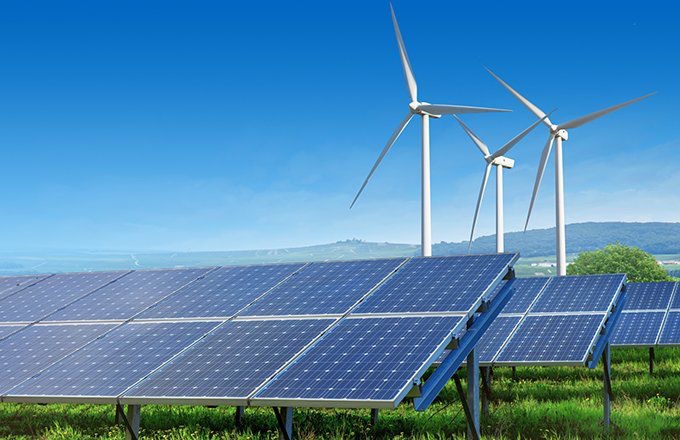
The solar energy sector in the UK has also experienced impressive growth in recent years. According to the Solar Trade Association, the UK’s total installed solar capacity reached 14.1 GW in 2021, with over 1 million homes now equipped with solar photovoltaic (PV) systems. This expansion has been driven by a combination of government incentives, technological advancements, and growing public awareness of the benefits of solar power.
Bioenergy: Diversifying the Renewable Mix
In addition to wind and solar, the UK has also made strides in the development of bioenergy, which includes the use of biomass, biogas, and biofuels. According to BEIS, bioenergy accounted for 7.4% of the UK’s total primary energy supply in 2021, making it a significant component of the country’s renewable energy portfolio.
The Road to Net-Zero Emissions
The UK’s commitment to addressing climate change is further demonstrated by its legally binding target to reach net-zero greenhouse gas emissions by 2050. This ambitious goal requires a comprehensive transformation of the country’s energy system, involving a significant increase in renewable energy generation, improved energy efficiency, and the adoption of low-carbon technologies.
The Climate Change Act and Carbon Budgets
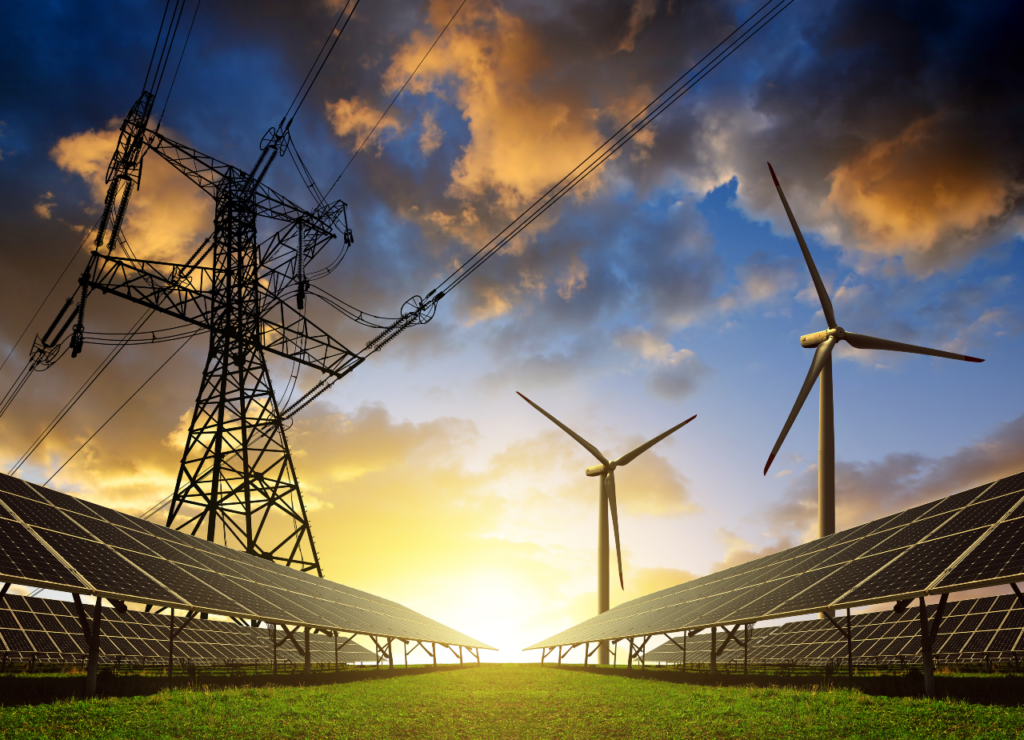
The UK’s path towards net-zero emissions is guided by the Climate Change Act, which was first introduced in 2008 and has since been updated to reflect the country’s evolving climate targets. The Act establishes a series of legally binding carbon budgets, which set limits on the total amount of greenhouse gas emissions the UK can produce over five-year periods. These budgets are designed to ensure that the UK’s emissions reductions are on track to meet its long-term goals.
The Net-Zero Strategy
In 2021, the UK government published its Net-Zero Strategy, which outlines the policies and measures the country will implement to achieve its net-zero target. The strategy covers a range of sectors, including energy, transport, industry, and buildings, and sets out a clear roadmap for the transition to a low-carbon economy. Key elements of the strategy include the expansion of renewable energy, the phase-out of fossil fuels, the introduction of clean heating technologies, and the development of carbon capture and storage infrastructure.
Challenges and Opportunities
While the UK’s energy transition has made significant progress, there are still numerous challenges that must be overcome to ensure a smooth and successful transformation.
Grid Modernization and Energy Storage
One of the major challenges is the need to modernize the UK’s electricity grid to accommodate the increasing share of renewable energy. This requires significant investments in grid infrastructure, including the development of smart grid technologies and the integration of large-scale energy storage systems. According to the National Grid ESO, the UK will need to install up to 30 GW of energy storage capacity by 2050 to support the integration of renewable energy sources.
Affordability and Equity
Another key concern is the need to ensure that the energy transition is affordable and equitable for all segments of the population. Rising energy prices and the potential impact on low-income households have become a significant political and social issue in the UK. Addressing these concerns will require a balanced approach that combines targeted support measures, energy efficiency programs, and the development of innovative financing models.
Skills and Workforce Development
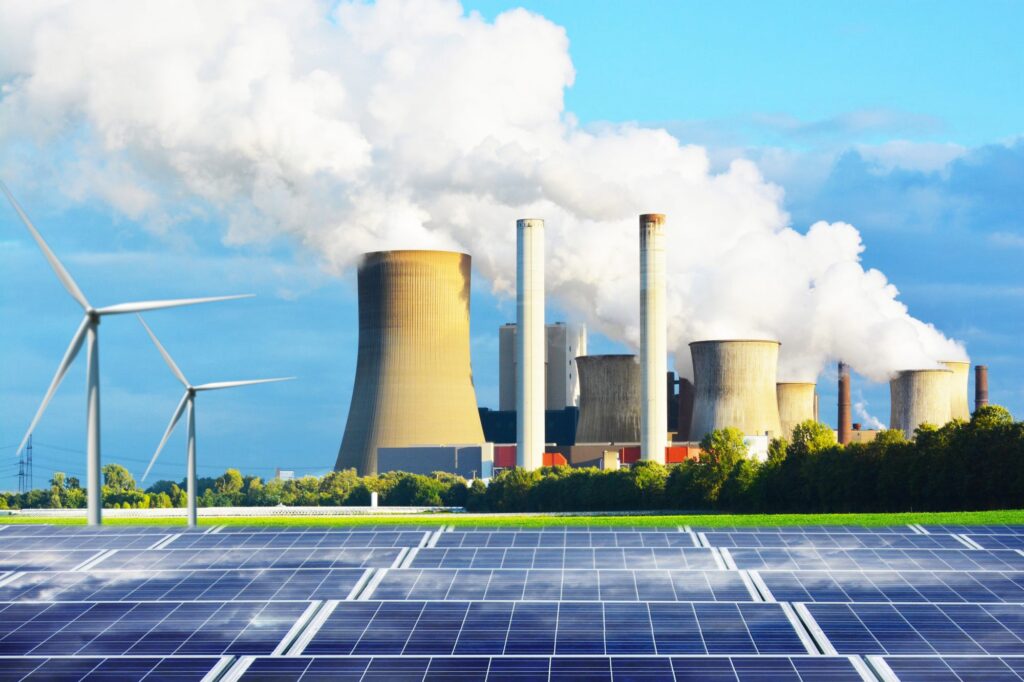
The transition to a low-carbon economy will also require a significant shift in the skills and expertise of the UK’s workforce. The government and industry will need to invest in training and upskilling programs to ensure that the country has the necessary human capital to support the development and deployment of new energy technologies.
Conclusion: A Promising Future
Despite the challenges, the UK’s energy transition holds significant promise for a more sustainable and resilient energy system. The country’s growing renewable energy capacity, the commitment to net-zero emissions, and the ongoing policy and infrastructure developments all point to a future where clean, affordable, and reliable energy is the norm.
As the UK continues to navigate this complex and dynamic energy landscape, it will be essential to maintain a collaborative and inclusive approach, engaging with stakeholders across the public and private sectors to ensure that the transition benefits all members of society. With a clear vision, a robust policy framework, and a steadfast commitment to innovation, the UK is well-positioned to lead the way in the global energy revolution and secure a more sustainable future for generations to come.