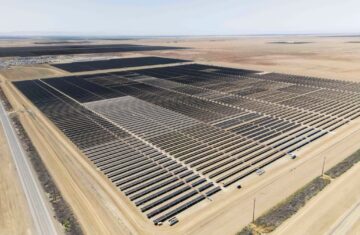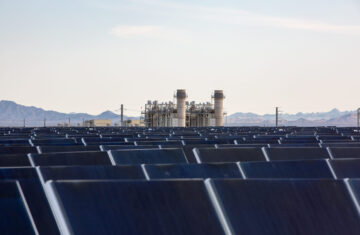
Arroyo Solar Energy Storage Hybrid project represents a groundbreaking integration of renewable generation and storage technology on Navajo Nation land, demonstrating how tribal communities can lead the transition to clean energy while achieving energy sovereignty and economic self-determination. This project exemplifies how innovative energy partnerships can create sustainable economic development in historically underserved communities.
Significance & Context
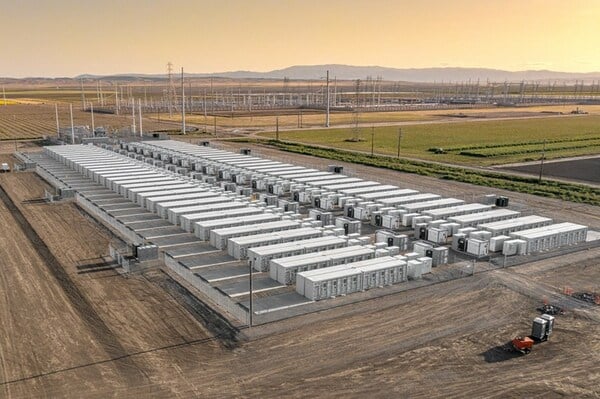
Developed through a partnership between the Navajo Nation and Pattern Energy, the 200-megawatt (MW) Arroyo Solar Energy Storage Hybrid combines solar photovoltaic capacity with 100 MW/400 MWh of battery storage, making it one of the largest tribal energy projects in the United States. According to data from the U.S. Department of Energy Office of Indian Energy, the facility generates enough electricity to power approximately 72,000 homes while providing crucial grid stability services. Its location on tribal trust land in McKinley County positions it to support both the Navajo Nation’s energy sovereignty goals and the broader Western energy market.
Development Timeline
The project’s development involved extensive government-to-government consultation and unique tribal approval processes. Development activities began in 2019, with the project receiving approval from the Navajo Nation Council in 2021 after comprehensive environmental and cultural review. Construction commenced in 2023, achieving commercial operation in 2025, as documented in [Western Electricity Coordinating Council (WECC)] records. This timeline included additional consultation periods to ensure the project aligned with tribal values and long-term development goals.
Technology & Innovation
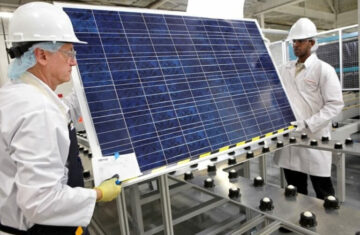
The Arroyo Hybrid utilizes single-axis tracking systems with bifacial photovoltaic modules, while its core innovation lies in the fully integrated battery energy storage system designed for high-desert conditions. According to technical reports from the National Renewable Energy Laboratory (NREL), this configuration allows the facility to store excess solar generation for dispatch during peak demand periods. The project features grid-forming inverters that provide essential reliability services including black start capability and voltage support—particularly valuable for enhancing grid resilience in rural areas. Water-free cleaning systems minimize environmental impact in the arid climate.
Challenges & Controversies
The project faced unique challenges related to tribal sovereignty, cultural preservation, and infrastructure development in a remote location. Some community members expressed concerns about land use and impacts on cultural resources. The resolution involved implementing a comprehensive Tribal Benefits Agreement that included preferential hiring for Navajo members, cultural resource protection measures, and revenue-sharing arrangements. The project also addressed technical challenges through specialized foundation designs for the desert soil conditions and implemented a Navajo Workforce Development Program to build local capacity for operations and maintenance.
Community & Economic Impact
For the Navajo Nation and McKinley County, the project has delivered transformative economic benefits through both construction and long-term operations. During construction, the project typically employed 300-350 workers, with over 60% coming from the Navajo Nation. For ongoing operations, it maintains 15-20 permanent positions, with comprehensive training programs for tribal members. Based on the tribal revenue-sharing model, the project likely contributes approximately $2-3 million annually to the Navajo Nation’s general fund, supporting essential services. Additionally, it provides stable lease payments to the tribal government while creating new career pathways in renewable energy for tribal members.
Future Outlook
With an expected operational lifespan of 30+ years for solar and 15-20 years for storage technology, the Arroyo Solar Energy Storage Hybrid represents a long-term foundation for the Navajo Nation’s energy future. The project’s success as a tribally-led renewable energy facility provides a model for other indigenous communities seeking energy sovereignty. As the Western grid evolves, the facility’s storage capability positions it to play an increasingly valuable role in grid reliability. The project establishes a replicable template for how tribal nations can leverage their natural resources to achieve both energy independence and economic self-sufficiency, potentially inspiring similar developments across Indian Country while honoring tribal values and sustainable development principles.