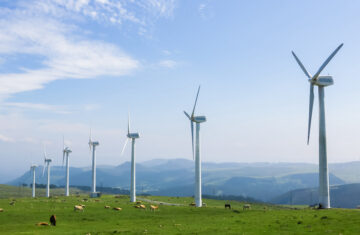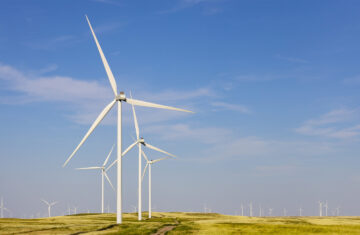
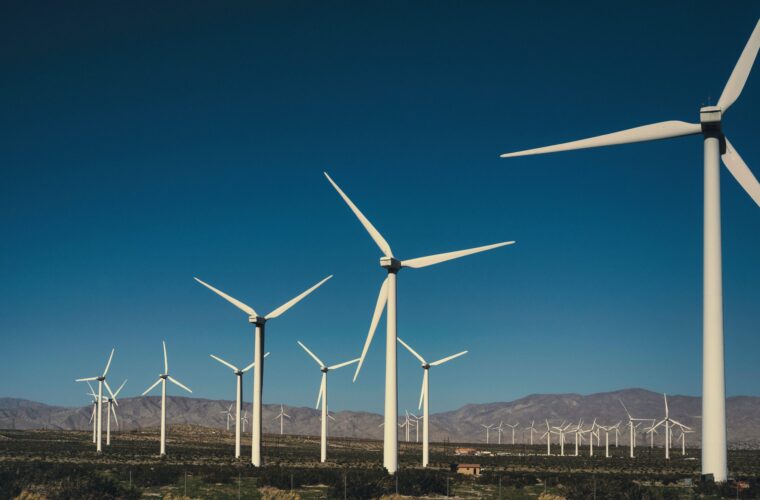
The Arlington Wind Power Project in Tazewell County, Virginia, represents a pioneering stride for wind energy in the Appalachian region. As one of the first major wind farms in the Commonwealth, it signifies a diversification of Virginia’s energy portfolio, harnessing inland wind resources to advance clean energy goals, stimulate rural economic development, and provide a model for responsible mountain ridge development.
Significance & Context
The Arlington Wind Power Project, developed by Apex Clean Energy, is a landmark utility-scale wind facility in southwestern Virginia. With a total capacity of approximately 75 megawatts (MW), the project generates enough electricity to power an estimated 20,000 Virginia homes annually, based on standard calculations from the U.S. Energy Information Administration (EIA). This output is a direct contribution to meeting the clean energy targets set forth in the Virginia Clean Economy Act (VCEA), legislation detailed by the Virginia Department of Energy, supplying carbon-free power to the regional grid operated by Appalachian Power Company.
Development Timeline
The project’s journey from concept to operation underscores the timeline for pioneering infrastructure. Initial studies began in the early 2010s, followed by an extensive period of permitting and community engagement. After securing crucial local and state approvals, construction commenced in the late 2010s. The Arlington Wind Power Project successfully achieved commercial operation and began delivering power to the grid in 2021, a milestone recorded in the U.S. Wind Turbine Database maintained by the U.S. Geological Survey and the Department of Energy.
Technology & Innovation
The project utilizes modern wind turbine technology specifically engineered for the complex terrain of Appalachian ridgelines. It features Nordex Acciona Windpower turbines known for their durability. The engineering challenges of constructing on mountainous terrain required innovative civil engineering solutions, aligning with best practices for minimizing disturbance as outlined in resources from the National Renewable Energy Laboratory (NREL). The project’s design incorporates extensive environmental mitigation measures and leverages advanced monitoring systems for grid stability.
Challenges & Controversies
As a pioneering project, it faced significant public opposition and permitting hurdles related to visual impact and environmental concerns. Apex Clean Energy engaged in a multi-year public outreach campaign, revising project plans to address specific concerns. The ultimate approval by the Tazewell County Board of Supervisors followed a rigorous review process, with key decisions and ordinance updates accessible through the Tazewell County government website. This process balanced local sentiment with statewide energy policy objectives.
Community & Economic Impact
For Tazewell County, the project delivers substantial economic benefits. During its construction phase, it typically employed over 200 workers at peak, according to regional job estimates from the American Clean Power Association. Over its operational lifetime, it generates millions of dollars in local tax revenue for county schools and services, as forecast in economic impact studies referenced in county materials. Additionally, it provides long-term, stable land-lease payments to participating landowners, a benefit for rural economic resilience documented by organizations like Farmers’ Legal Action Group (FLAG).
Future Outlook
As an operational asset, the Arlington Wind Power Project is now a long-term contributor to Virginia’s clean energy grid. Its successful completion has demonstrated the feasibility of wind power in Virginia’s mountains, potentially paving the way for other projects. Its performance will be closely watched as a case study for Appalachian wind development, contributing to the goals outlined in Virginia’s Energy Plan. The project may one day be considered for repowering with newer turbine technology to further increase its output and efficiency.
At Gilliam County you can find also: Wheat Field Wind Power Project