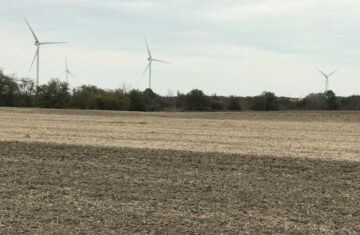
Camp Grove Wind Farm represents a significant private investment in the state’s clean energy future. Developed by a major independent power producer, this large-scale project underscores the economic viability of wind power in the Midwest’s competitive energy market. The Camp Grove Wind Farm not only contributes to Illinois’s decarbonization goals but also demonstrates how rural counties can leverage their land and wind resources to generate substantial new tax revenue and create long-term economic stability.
Significance & Context
The Camp Grove Wind Farm is a major force in Illinois’s renewable energy portfolio. With a substantial capacity of 175 megawatts (MW), the project generates enough electricity to power approximately 66,000 homes. This output provides a significant stream of zero-emission power to the Midcontinent Independent System Operator (MISO) grid, directly supporting the state’s Future Energy Jobs Act and its successor, the Climate and Equitable Jobs Act (CEJA). By displacing fossil fuel generation, the farm helps avoid an estimated 350,000 metric tons of carbon dioxide emissions annually, contributing to cleaner air and regional climate objectives.
Development Timeline
The Camp Grove Wind Farm was developed during a period of intense growth in Illinois’s wind sector. Spearheaded by Invenergy, the project moved through the development and permitting phases in the late 2010s. Construction commenced in 2019, and despite facing global supply chain disruptions shortly thereafter, the project was efficiently built and achieved commercial operation in 2021. This successful timeline highlighted the resilience of renewable energy development and the strong execution capabilities of its developers.
Technology & Innovation
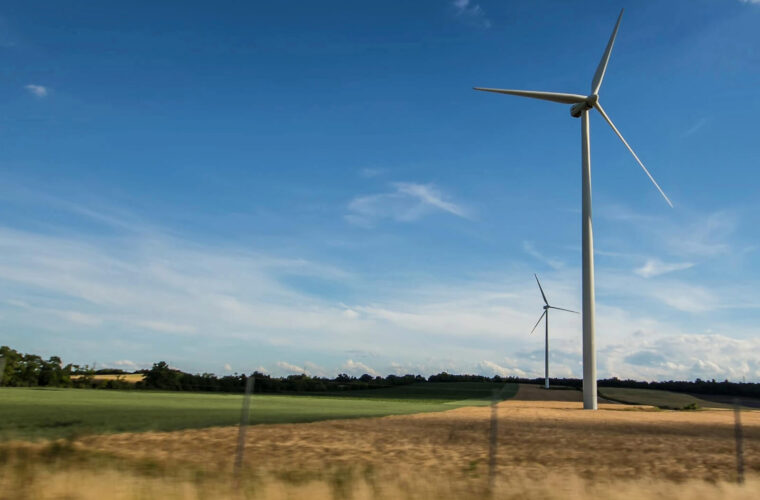
The Camp Grove Wind Farm utilizes a fleet of modern, high-capacity wind turbines designed for optimal performance in Illinois’s wind regime. The project features GE Renewable Energy turbines, selected for their reliability and energy output. These turbines, with their tall towers and large rotor diameters, are engineered to capture more energy from a wider range of wind speeds, maximizing efficiency. The project’s design also incorporates advanced digital monitoring systems to optimize performance and ensure seamless grid integration.
Challenges & Controversies
A significant challenge for the Camp Grove Wind Farm was navigating the complex process of land acquisition and addressing concerns from some community members regarding the project’s visual impact on the rural landscape and potential effects on property values. As with many wind developments, this required extensive negotiation and public engagement. The project also faced logistical hurdles in transporting massive turbine components through Stark County. These challenges were overcome through detailed route planning with local authorities and a transparent community benefits strategy that clearly articulated the long-term economic advantages for landowners and the county.
Community & Economic Impact
The Camp Grove Wind Farm has delivered a substantial economic boost to Stark County. During its peak construction, the project typically employed over 200 workers, providing a significant, though temporary, stimulus to local businesses. In its operational phase, a wind farm of this size typically employs 10-15 full-time technicians for maintenance, creating stable, long-term jobs in a rural area. Crucially, the project likely contributes millions of dollars in new property tax revenue over its lifetime, providing essential funding for local schools, roads, and emergency services. Additionally, participating landowners receive annual lease payments, creating a drought-resistant source of income that supports the local agricultural economy.
Future Outlook
With a long-term power purchase agreement in place, the Camp Grove Wind Farm has a stable and predictable future. As a key component of Illinois’s clean energy infrastructure, the project is well-positioned to contribute to the state’s grid for decades. Its success helps pave the way for continued renewable investment in the region. As wind technology continues to advance, the site may eventually become a candidate for repowering—a process detailed by the National Renewable Energy Laboratory (NREL)—where newer, more efficient turbines could be deployed to further enhance its output and extend its operational life, ensuring its benefits continue for generations.
At Union County you can find also: Elkhorn Valley Wind Farm