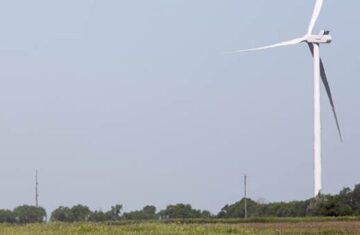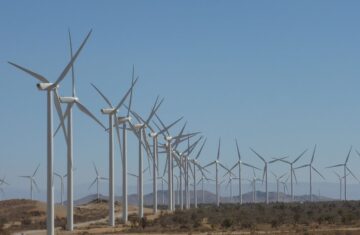

Located in the rolling hills of northeastern Oregon, the Elkhorn Valley Wind Farm represents a strategic development that capitalizes on the region’s robust wind resources while navigating its complex environmental landscape. This project demonstrates how modern wind energy can be successfully integrated into regions with sensitive ecosystems through careful planning and mitigation.
Significance & Context
The Elkhorn Valley Wind Farm is a 103-megawatt (MW) facility developed by Portland General Electric (PGE) in Union County. As a utility-owned project, its output directly serves PGE customers, contributing to Oregon’s renewable portfolio standard requirements. The facility represents an investment of approximately $200 million and generates enough electricity to power approximately 30,000 Oregon homes, providing a significant source of carbon-free energy for the state’s grid.
Development Timeline
Development for the Elkhorn Valley project began in 2013 with extensive site assessment and community engagement. The project underwent Oregon’s rigorous energy facility siting process, receiving approval from the Oregon Department of Energy in 2016. Construction commenced in 2017 and faced weather-related delays before achieving commercial operation in early 2019. The project’s timeline reflected the careful approach required for development in a region with sensitive habitat.
Technology & Innovation
The wind farm utilizes 34 Vestas V126 3.0-MW turbines, selected for their efficiency in lower wind speeds and reduced sound profile compared to earlier models. A key innovation was the implementation of radar-activated detection systems for avian species, particularly the threatened ferruginous hawk. This system can automatically curtail turbine operations when protected species are detected nearby, representing a significant advancement in minimizing wildlife impacts.
Challenges & Controversies
The project faced significant challenges regarding its potential impact on sensitive grassland habitat and wildlife corridors. Conservation groups expressed concerns about fragmentation of habitat for species including elk, deer, and protected birds. The developers addressed these concerns through extensive pre-construction wildlife studies and implementing a Habitat Conservation Plan developed in consultation with the Oregon Department of Fish and Wildlife. This included preserving over 500 acres of habitat, creating wildlife corridors between turbine strings, and establishing long-term monitoring programs.
Community & Economic Impact
The project has delivered meaningful economic benefits to Union County. During peak construction, Elkhorn Valley Wind Farm typically employed over 150 workers, providing a boost to local services. The project now supports permanent operations and maintenance positions. Over its 30-year operational life, the project likely contributes millions of dollars in property tax revenue and landowner lease payments. This revenue supports local services while providing ranchers with a stable source of supplemental income that complements agricultural operations.
Future Outlook
As a relatively new addition to PGE’s generation portfolio, Elkhorn Valley Wind Farm is positioned for decades of operation. The project’s careful environmental planning and community integration serve as a model for future renewable development in ecologically sensitive areas of Oregon. As turbine technology advances, the site may eventually become a candidate for repowering. As noted in the U.S. Energy Information Administration’s state profile for Oregon, such projects will play an important role in meeting the state’s long-term clean energy goals while balancing environmental protection.
At Bureau County also you can find: Providence Heights Wind Farm