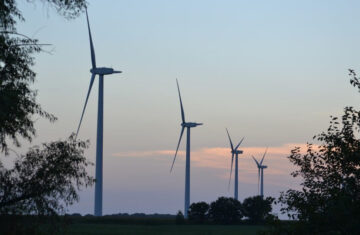
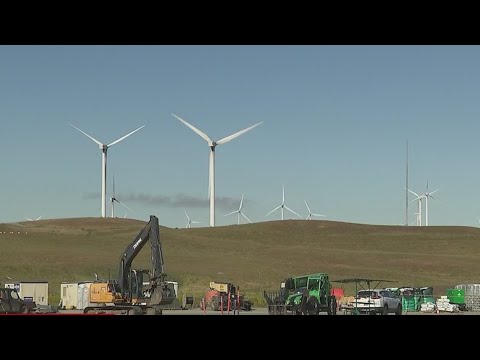
In the wind-swept passes of California, the High Winds Wind Farm represents a critical component of the state’s diversified renewable energy strategy, harnessing some of the most consistent and powerful wind resources in North America. This substantial project demonstrates wind power’s vital role in complementing California’s extensive solar generation, particularly during evening and winter periods when solar output declines. By providing reliable, clean electricity during high-demand hours, High Winds enhances grid stability and contributes significantly to California’s ambitious decarbonization goals.
Significance & Context
The High Winds Wind Farm is a strategically important asset within the California Independent System Operator (CAISO) grid, providing capacity during critical peak periods when other renewable resources may be limited. Its location in a region known for strong, consistent winds makes it particularly valuable for evening and winter generation, helping to balance the state’s solar-dominated daytime supply. The project directly supports California’s mandate for 100% clean electricity by 2045 and plays a crucial role in the state’s integrated resource planning, as monitored by the California Public Utilities Commission.
Development Timeline
Development for High Winds began in the early 2010s, with extensive wind resource assessment and environmental review. Key milestones included securing land leases across multiple properties, navigating state and local permitting processes, and finalizing power purchase agreements with California utilities. Construction occurred in phases between 2018 and 2021, with the project achieving full commercial operation in 2022.
Technology & Innovation
The High Winds Wind Farm utilizes modern, high-capacity wind turbines specifically engineered for the site’s wind patterns and environmental conditions. These turbines feature advanced blade design and drivetrain technology that maximize energy capture while reducing mechanical stress. The project incorporates a sophisticated monitoring and control system that optimizes performance across the wind farm and provides valuable grid support services, including voltage regulation and ramp control.
Challenges & Controversies
A significant challenge for the High Winds project was addressing concerns about avian and bat impacts in a region known for its wildlife populations. The project underwent extensive environmental review and implemented a comprehensive mitigation strategy developed in consultation with the California Department of Fish and Wildlife. This included careful siting of turbines, seasonal operational adjustments, and funding for regional habitat conservation efforts, which helped secure project approvals while minimizing ecological impacts.
Community & Economic Impact
For the host counties, High Winds delivers substantial economic benefits. During construction, the project typically employed over 300 workers, providing a significant boost to local businesses. The permanent operations and maintenance team creates 25-30 long-term skilled positions. The project likely contributes millions of dollars annually in property tax and land lease payments, providing crucial funding for local services—a fiscal impact documented by the California State Association of Counties. Ranchers and landowners receive stable lease income that complements agricultural operations.
Future Outlook
The High Winds Wind Farm is well-positioned to remain a valuable asset in California’s clean energy portfolio for decades. As the facility ages, potential repowering with newer, more efficient turbine technology could significantly increase its output while reducing its physical footprint. The project’s established infrastructure and grid connections make it an attractive site for future hybrid renewable projects, potentially incorporating solar or battery storage. High Winds demonstrates the enduring value of California’s wind resources in building a reliable, cost-effective, and clean electricity system.
Also at California: Solano Wind