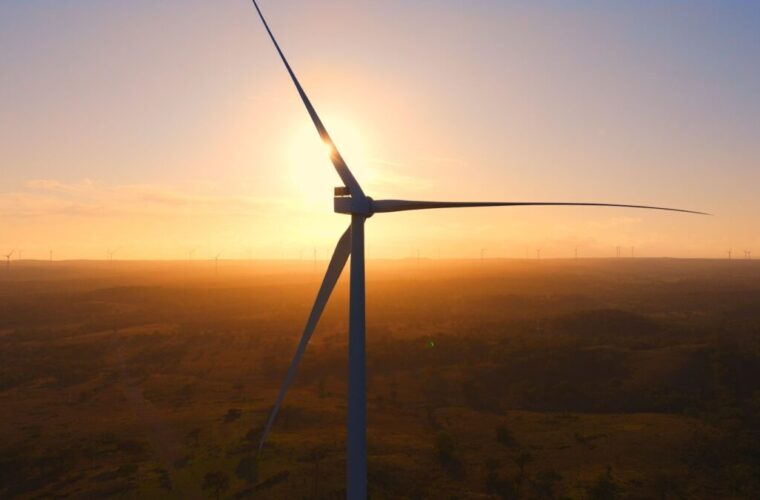
Spanning the rolling hills between San Francisco and Sacramento, the Solano Wind project represents a cornerstone of California’s long-standing commitment to renewable energy. As one of the oldest and largest wind power installations in the United States, it has played a pivotal role in demonstrating the technical and commercial viability of utility-scale wind generation, helping to pave the way for the industry’s growth nationwide.
Significance & Context
The Solano Wind project is a massive 300-megawatt (MW) facility located in Solano County. Initially developed in the 1980s and significantly expanded over subsequent decades, it is a collection of multiple wind farms operated by several companies, including NextEra Energy Resources. Its power is sold to Pacific Gas and Electric (PG&E) and other California utilities, contributing directly to the state’s ambitious Renewable Portfolio Standard. The facility generates enough electricity to power approximately 100,000 California homes and has offset millions of tons of carbon dioxide over its operational lifetime.
Development Timeline
The project’s history traces back to the early 1980s, with initial installations spurred by federal tax incentives and state policies. Major expansions occurred in the 2000s as technology improved. A significant milestone was a multi-phase repowering effort that began around 2015, where hundreds of older, smaller turbines were replaced with fewer, more powerful and efficient models. This ongoing modernization, documented in California Energy Commission (CEC)
proceedings, ensures the project remains a competitive energy asset.
Technology & Innovation
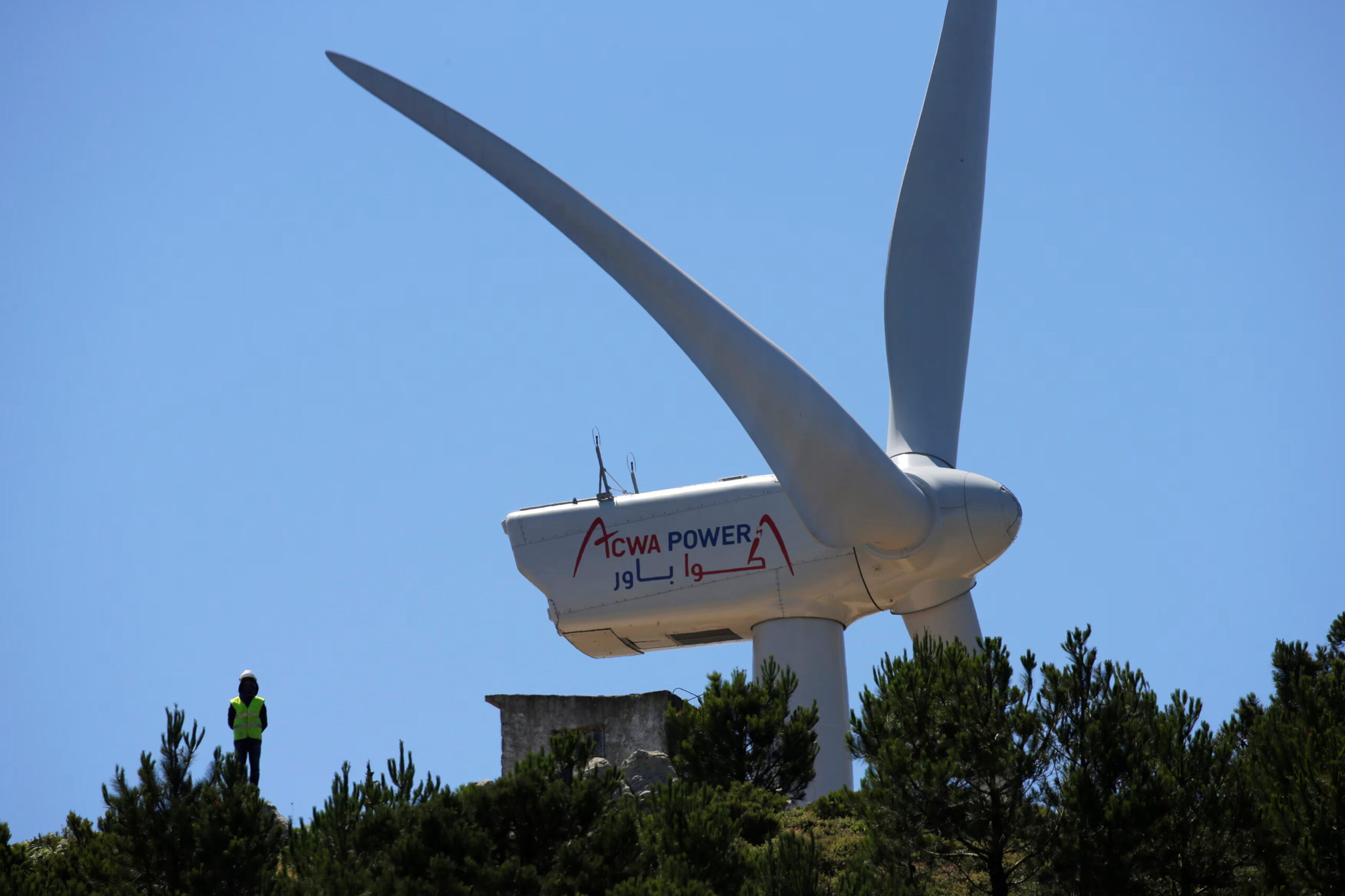
Solano Wind showcases the evolution of wind technology. The site originally featured turbines rated below 100 kilowatts. Through repowering, it now hosts modern turbines from manufacturers like GE and Siemens Gamesa, with individual capacities exceeding 2 MW. These newer models feature taller towers and longer blades that capture more consistent wind, dramatically increasing the facility’s overall energy output and reliability while reducing the number of turbines required.
Challenges & Controversies
A persistent challenge for the Solano Wind project has been balancing energy generation with environmental and community concerns, particularly regarding avian impacts and noise. The Altamont Pass area, part of the larger region, initially gained attention for bird fatalities. This led to extensive mitigation efforts, including seasonal shutdowns during peak raptor activity and participating in regional habitat conservation plans developed with the California Department of Fish and Wildlife. The recent repowering has also addressed these issues, as modern, taller turbines with slower-moving blades are less harmful to wildlife.
Community & Economic Impact
The project has provided a long-term economic foundation for Solano County. During construction phases and repowering, Solano Wind typically employed hundreds of workers. It continues to support a local workforce for operations and maintenance. Over its decades of operation, the project has generated tens of millions of dollars in tax revenue and landowner payments. This revenue likely contributes significantly to county services and provides ranchers with a stable source of income, preserving the area’s agricultural character while diversifying its economy.
Future Outlook
The Solano Wind project demonstrates that with strategic investment and modernization, renewable energy assets can have multi-decade lifespans. Its continued operation is a testament to the value of repowering. Looking ahead, the site remains a prime candidate for further technological upgrades and potentially for hybridization with solar power or battery storage. As analyzed by the U.S. Energy Information Administration (EIA), such hybrid resources will be crucial for achieving California’s goal of a 100% clean electricity grid, ensuring this pioneering wind facility continues to play a vital role.
Also at California: High Winds wind farm