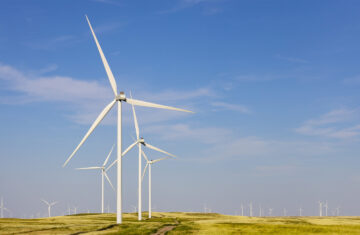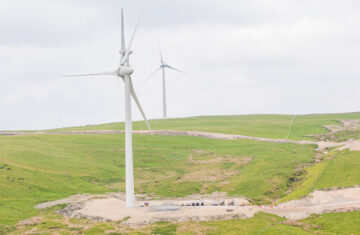
Mower County Wind Energy Center stands as a powerful symbol of the state’s commitment to a clean energy future, contributing significantly to Minnesota’s progress toward its renewable energy standards. As a major renewable asset developed by a partnership between local utilities and global energy leader EDF Renewables, this project underscores how wind power has become a mainstream, cost-effective source of electricity. The Mower County Wind Energy Center not only powers homes and businesses but also reinforces the vital role that rural counties play in achieving statewide environmental and economic goals.
Significance & Context
The Mower County Wind Energy Center is a significant contributor to Minnesota’s energy portfolio. With a substantial capacity of 206 megawatts (MW), the project, as detailed on the EDF Renewables project page, generates enough clean electricity to power approximately 80,000 homes. This output directly supports Minnesota’s renewable portfolio standard and helps avoid an estimated 400,000 metric tons of carbon dioxide emissions each year. Its location in Mower County, an area with strong wind resources, makes it a highly efficient asset for the regional grid, providing reliable power to communities across the state.
Development Timeline
The project’s development reflects a modern and collaborative approach to wind energy. Announced in 2018, the Mower County Wind Energy Center moved through the development and permitting phases efficiently. Major construction commenced in 2019, involving significant local workforce and infrastructure investment. The project successfully achieved commercial operation in late 2020, as reported by American Clean Power, demonstrating the ability to bring large-scale renewable energy online even during a period of global supply chain disruptions.
Technology & Innovation
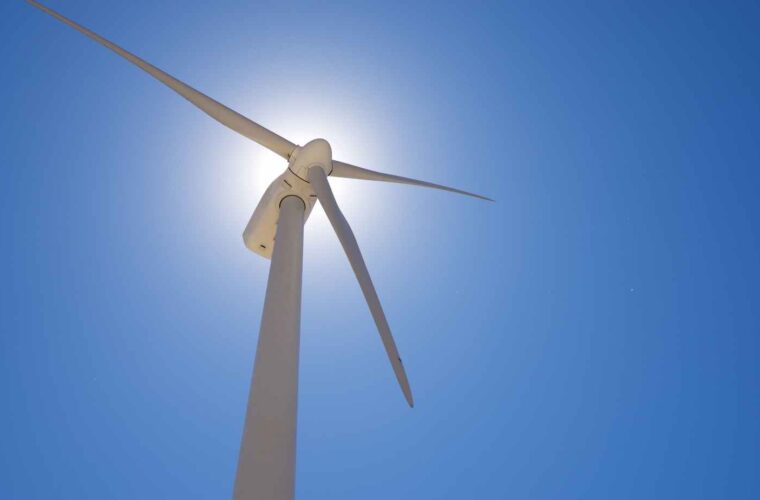
The Mower County Wind Energy Center leverages advanced turbine technology to maximize energy production. The site features 53 Vestas V150-4.2 MW turbines, a model known for its large rotor diameter and high efficiency. These modern turbines are capable of capturing more energy from lower wind speeds, making them particularly well-suited to the region’s wind profile. The project’s design also incorporates sophisticated grid integration and remote monitoring systems to ensure optimal performance and reliability.
Challenges & Controversies
A primary challenge for the Mower County Wind Energy Center was navigating the complex landscape of local permitting and addressing concerns from some residents regarding visual impact, potential noise, and effects on property values—common issues outlined by the U.S. Department of Energy. The developers addressed these issues through detailed environmental reviews, public meetings, and by working closely with county officials to ensure compliance with all local ordinances, a process that builds public trust and ensures responsible development.
Community & Economic Impact
The Mower County Wind Energy Center has delivered substantial economic benefits to its host community. During peak construction, the project typically employed over 200 workers, providing a significant boost to the local economy. In its operational phase, a wind farm of this size typically employs 10-15 full-time technicians for maintenance, creating stable, long-term jobs. Crucially, the project likely contributes millions of dollars in new property tax revenue over its lifetime, providing essential funding for Mower County services, including schools and public safety. Additionally, participating landowners receive annual lease payments, creating a drought-resistant source of income that supports the local agricultural economy, consistent with findings from the Lawrence Berkeley National Laboratory.
Future Outlook
With a long-term power purchase agreement (PPA) in place with Xcel Energy, the Mower County Wind Energy Center has a stable and predictable future. As a key component of Minnesota’s clean energy infrastructure, the project is well-positioned to contribute to the state’s grid for decades. Its success paves the way for continued investment in the region and positions the site as a potential candidate for future repowering efforts, where newer, even more efficient turbine technology could be deployed to further enhance its output and longevity, a process supported by research from the National Renewable Energy Laboratory (NREL).
Discover also at Minnesota: MinnDakota Wind farm