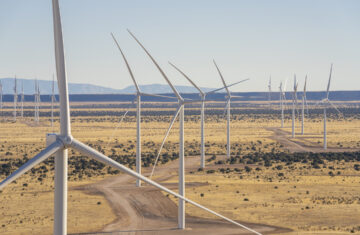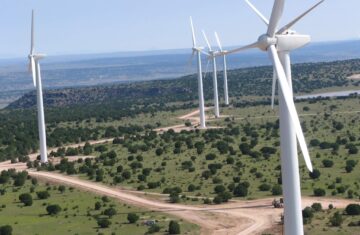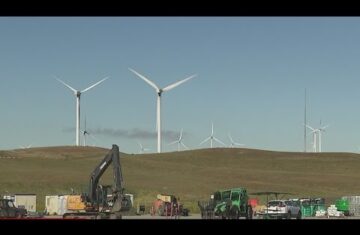
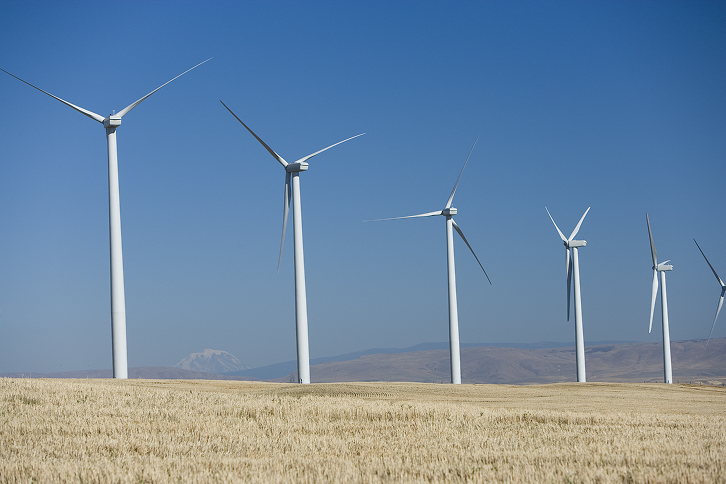
Gilliam County, the Leaning Juniper Wind Farm represents a key component of Oregon’s diversified energy strategy, harnessing the state’s abundant wind resources to power a clean energy future. This project exemplifies a broader trend where rural Eastern Oregon, traditionally reliant on agriculture, is becoming a vital hub for renewable energy generation. By converting the steady winds of the Columbia River Plateau into electricity, Leaning Juniper contributes significantly to regional climate goals and provides a model for sustainable economic development in partnership with local communities.
Significance & Context
The Leaning Juniper Wind Farm is a major power generator in the Pacific Northwest. Developed by Portland General Electric (PGE), the project’s 101-megawatt (MW) capacity provides enough clean electricity to power approximately 30,000 Oregon homes. This output is a substantial contribution to PGE’s renewable energy portfolio, directly displacing fossil fuel-based generation and helping to avoid tens of thousands of tons of carbon dioxide emissions annually. Its strategic location leverages some of the most consistent and powerful wind resources in the United States, making it a highly efficient and reliable asset for the state’s grid.
Development Timeline
The development of Leaning Juniper Wind Farm followed a careful and deliberate timeline. Portland General Electric initiated planning and site assessment in the early 2000s, with formal construction commencing in 2005. The project was built in a single phase and achieved commercial operation in 2006, a period of rapid growth for the wind industry in Oregon. This efficient development cycle allowed the utility to quickly bring a significant volume of cost-effective renewable energy online to meet the state’s early renewable portfolio standard requirements.
Technology & Innovation
For its time, Leaning Juniper featured robust and proven turbine technology suited to the site’s high winds. The farm is equipped with 61 Vestas V82-1.65 MW turbines. These turbines, with their 82-meter rotor diameter, were a workhorse of the industry in the mid-2000s. The project’s design integrated the turbines into the existing landscape with minimal disruption to the underlying agricultural land, allowing for continued cattle grazing and demonstrating the potential for co-location of wind energy and farming.
Challenges & Controversies
A primary challenge for the Leaning Juniper Wind Project was addressing concerns regarding its potential impact on avian and bat species, a common issue for wind farms sited in areas with high wildlife activity. The project underwent rigorous environmental review by state and federal agencies, including the U.S. Fish and Wildlife Service. To mitigate these impacts and proceed responsibly, the developer implemented a comprehensive Avian and Bat Protection Plan, which included pre- and post-construction monitoring, and potentially, operational curtailment during periods of high bat activity to minimize fatalities.
Community & Economic Impact
The Leaning Juniper Wind Farm has delivered meaningful economic benefits to Gilliam County, a rural area with a small population. During its construction, the project typically employed over 150 workers, providing a temporary but significant boost to the local economy. In its operational phase, the wind farm typically employs a small team of local technicians for ongoing maintenance, creating valuable long-term skilled jobs. Most importantly, the project likely contributes substantial annual property tax revenue, which is critical for funding local services like schools, law enforcement, and public works in the county.
Future Outlook
As one of Oregon’s earlier utility-scale wind projects, Leaning Juniper is a well-established asset with a proven track record. Its long-term power purchase agreement with Portland General Electric ensures its output remains a fixed part of the utility’s generation mix for the foreseeable future. As the project ages, its long-term outlook may include eventual repowering, where the original turbines are replaced with newer, more powerful and efficient models. This process, supported by research from the National Renewable Energy Laboratory (NREL), could potentially increase the site’s capacity and extend its operational life, ensuring it continues to benefit Gilliam County and Oregon’s energy grid for decades to come.
Discover also at Oregon: Klondike Windpower III