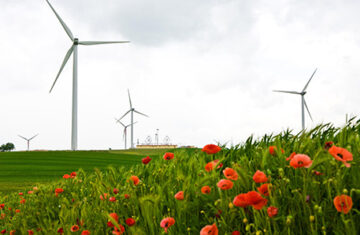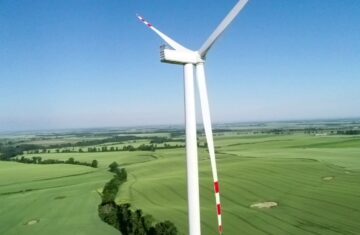
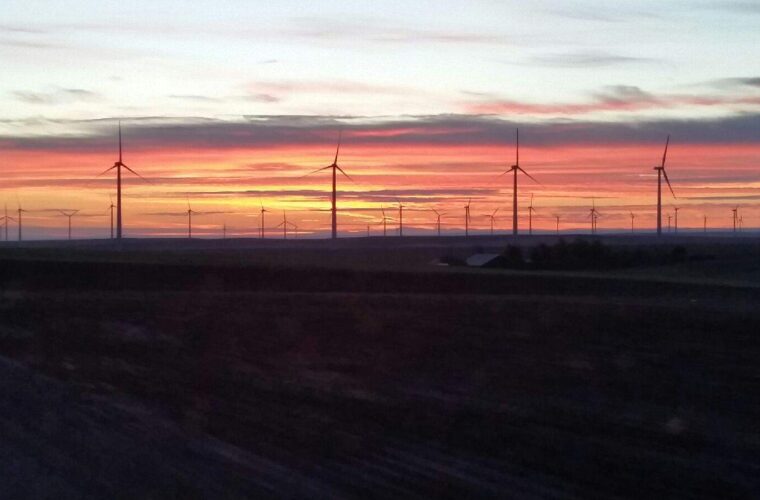
Sherman County, Klondike Windpower III represents a key phase in one of Oregon’s pioneering wind energy developments. This project exemplifies the phased growth of a wind complex that has become a cornerstone of the state’s renewable portfolio, harnessing the consistent winds of the Columbia River Gorge to power homes and businesses.
Significance & Context
Klondike Windpower III is a 99-megawatt (MW) facility that forms part of the larger Klondike Wind Farm complex. Developed by Portland General Electric (PGE), it is a utility-owned asset that directly serves the company’s customers. The project was a strategic addition to meet Oregon’s Renewable Portfolio Standard and to diversify PGE’s generation mix away from fossil fuels. The facility generates enough electricity to power approximately 30,000 Oregon homes, contributing significantly to the region’s clean energy supply.
Development Timeline
The Klondike Wind Farm was developed in multiple stages. The initial phases, Klondike I and II, were developed by a third party and began operation in the early 2000s. PGE, seeking to expand its renewable holdings, developed and commissioned Klondike III in 2007. This phased approach allowed for the strategic expansion of the site based on evolving technology, market conditions, and utility planning needs, as outlined in PGE’s Integrated Resource Plan.
Technology & Innovation
For its time, Klondike III utilized state-of-the-art Vestas V82 1.65-MW turbines. A significant aspect of the project’s design was its integration into the existing Klondike infrastructure, sharing access roads, a substation, and transmission lines with the earlier phases. This co-location strategy minimized new environmental disturbance and capitalized on economies of scale, reducing overall development costs and streamlining the interconnection process with the regional grid.
Challenges & Controversies
A persistent challenge for the entire Klondike complex, including Phase III, has been mitigating impacts on local wildlife, particularly birds of prey and sage-grouse that inhabit the shrub-steppe environment. The project required extensive pre- and post-construction wildlife studies and ongoing mitigation efforts. This work was conducted in coordination with state and federal agencies, including the Oregon Department of Fish and Wildlife (ODFW), and has included habitat enhancement projects and careful siting of turbines to minimize risk.
Community & Economic Impact
The project has provided a substantial economic benefit to Sherman County, a region that has embraced wind energy. During construction, Klondike III typically employed over 150 workers. It continues to support local technicians for operations and maintenance. The project, as part of the larger wind complex, likely contributes significantly to the county’s budget through property taxes, which have helped fund local services and schools. For the landowners hosting the turbines, the long-term lease payments provide a stable source of income, diversifying the rural economy.
Future Outlook
As a utility-owned asset, Klondike Windpower III is a long-term component of PGE’s generation fleet. Having been operational for over 15 years, it is approaching the stage where repowering will become a consideration. Replacing the turbines with modern, more powerful models could significantly increase the site’s energy output. As analyzed by the U.S. Energy Information Administration (EIA), such life-extension projects are a key strategy for maximizing the value of existing wind resources. The project’s established infrastructure ensures it will remain a vital part of Oregon’s clean energy landscape for the foreseeable future.
Discover also at Oregon: Leaning Juniper Wind Farm