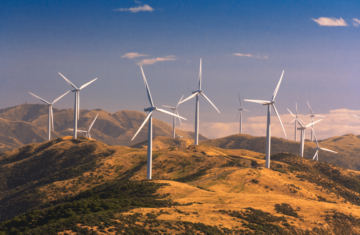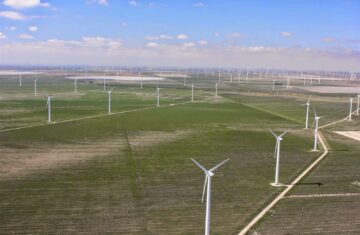
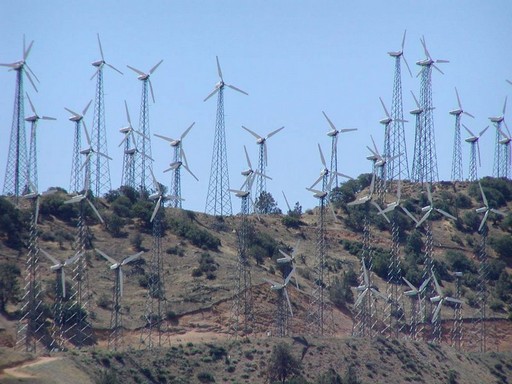
Spanning the border of southwestern Minnesota and eastern South Dakota, the MinnDakota Wind Farm represents a unique bi-state collaboration in renewable energy development. This project leverages the consistent wind resources of the Buffalo Ridge to generate clean power for the regional grid, demonstrating how cross-jurisdictional projects can benefit multiple communities simultaneously.
Significance & Context
The MinnDakota Wind Farm is a 99-megawatt (MW) facility located in Lincoln County, Minnesota, and Brookings County, South Dakota. Developed by NextEra Energy Resources, the project sells its power into the Midcontinent Independent System Operator (MISO) wholesale market. Its strategic location allows it to capitalize on the strong wind corridor while delivering electricity to a broad regional customer base. The facility generates enough electricity to power approximately 30,000 homes across the Upper Midwest.
Development Timeline
Development for the MinnDakota Wind Farm began with land acquisition and wind resource assessment in 2015. The project successfully navigated the interconnection process with MISO, with its status documented in the public MISO Generation Interconnection Queue. After securing power purchase agreements and obtaining permits from both counties, construction commenced in early 2018. The project achieved commercial operation in late 2019.
Technology & Innovation
The project utilizes 43 Siemens Gamesa 2.3-MW turbines, selected for their reliability and performance in the region’s climate. A key feature of the project’s design is its bi-state electrical infrastructure, which required careful coordination to connect the wind farm to the grid across state lines. This involved working with different utility regulations and ensuring seamless integration with the existing transmission system in both Minnesota and South Dakota.
Challenges & Controversies
A significant challenge for the MinnDakota Wind Farm was navigating the regulatory requirements and permitting processes in two different states. Each state had slightly different environmental review standards, setback requirements, and public hearing processes. The developers addressed this by maintaining separate but coordinated project teams that worked closely with county officials in both Lincoln and Brookings Counties, ensuring full compliance with all local regulations while maintaining a consistent project design.
Community & Economic Impact
The project provides economic benefits to both host counties. During peak construction, MinnDakota Wind Farm typically employed over 150 workers, with hiring prioritized from both states. The project now supports a permanent operations team drawn from the local area. Over its 30-year operational life, the project is projected to generate millions of dollars in property tax revenue that will likely contribute significantly to both counties’ budgets, supporting local schools and public services. Participating landowners in both states receive long-term lease payments, providing financial stability for farming operations.
Future Outlook
As a relatively new addition to the MISO grid, the MinnDakota Wind Farm is positioned for decades of continued operation. Its success demonstrates the viability of cross-border renewable energy projects in the Upper Midwest. The project’s established infrastructure and strong performance make it a potential candidate for future repowering with more advanced turbine technology. As analyzed by the U.S. Energy Information Administration (EIA), such life-extension projects will become increasingly important for maximizing the value of existing wind resources, ensuring MinnDakota remains a valuable asset for both states’ energy economies.
Discover also at Minnesota: Mower County Wind Energy Center