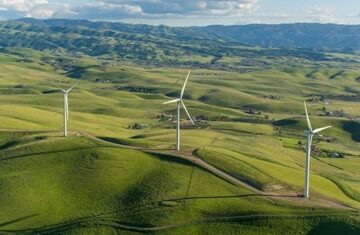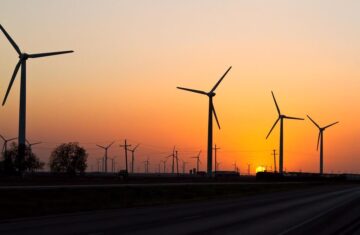
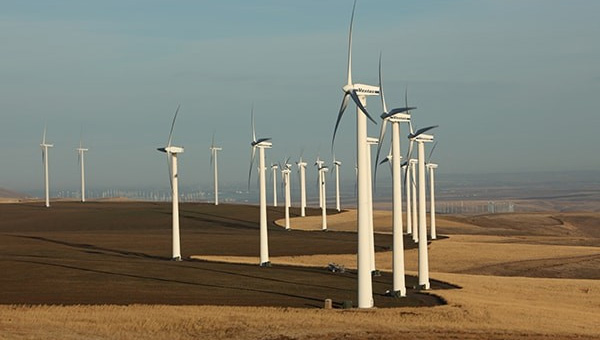
FPL Energy Ashtabula Wind facility represents a pivotal early investment in the state’s now-thriving wind energy sector. As one of the first large-scale projects in the region, it helped demonstrate the commercial viability of North Dakota’s powerful wind resources, paving the way for the state to become a major renewable energy exporter and establishing a template for integrating wind farms into the working prairie landscape.
Significance & Context
The FPL Energy Ashtabula Wind project, developed and owned by FPL Energy (now NextEra Energy Resources), is a foundational asset in North Dakota’s energy portfolio. With a generating capacity of 165.6 megawatts (MW), the facility produces enough clean electricity to power approximately 50,000 homes annually, based on calculations from the U.S. Energy Information Administration (EIA). This output feeds into the Midcontinent Independent System Operator (MISO) grid, enabling the export of renewable energy from a state traditionally known for its fossil fuel production, a transition tracked by the North Dakota Department of Commerce – Energy Division.
Development Timeline
The project’s development was part of the first major wave of utility-scale wind in the upper Midwest. Initial planning and land acquisition in the Ashtabula area began in the late 1990s. After securing permits, construction commenced in the early 2000s. The FPL Energy Ashtabula Wind facility achieved commercial operation in 2003, a date confirmed by its listing in the U.S. Wind Turbine Database. This positioned it as one of the pioneering large-scale wind projects in North Dakota.
Technology & Innovation
For its commissioning era, the project employed the largest and most advanced turbines commercially available. The facility originally featured 144 NEG Micon 1.15 MW turbines (later upgraded through a major repowering). The project’s sheer scale provided critical operational data that informed strategies for subsequent projects, with technological evolution documented by the National Renewable Energy Laboratory (NREL).
Challenges & Controversies
A primary challenge was securing utility off-take agreements and proving long-term economic viability in a nascent market. This hurdle was overcome through strategic power purchase agreements, often driven by state-level renewable portfolio standards in other parts of the MISO region. The project’s developer leveraged its utility experience to structure financially sound contracts, a process supported by policy analysis from The Great Plains Institute, demonstrating that wind could be a reliable and cost-effective generation resource.
Community & Economic Impact
For Barnes County, the wind farm introduced a new, long-term economic driver. During its initial construction, a project of this scale typically employed over 200 workers, according to industry models from the American Clean Power Association. In its operational phase, it generates significant property tax revenue, funding essential services, as detailed in Barnes County financial documents. Crucially, it provides guaranteed annual lease payments to participating landowners, a benefit for agricultural economics documented by the North Dakota State University Extension Service.
Future Outlook
The future of the FPL Energy Ashtabula Wind facility was fundamentally reshaped by a major repowering effort completed in the 2020s. NextEra Energy Resources replaced the original turbines with modern models. This investment, a strategy analyzed in NREL reports on repowering, significantly increased output and extended its operational life. This ensures the project will remain a competitive asset, supporting regional decarbonization goals as outlined in MISO’s long-term plans and North Dakota’s Clean Sustainable Energy Authority initiatives.
At Hansford County you can find also: Great Plains Windpark