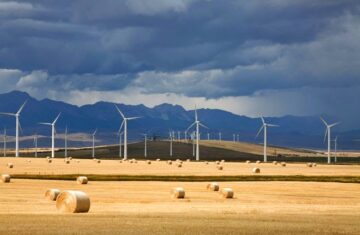
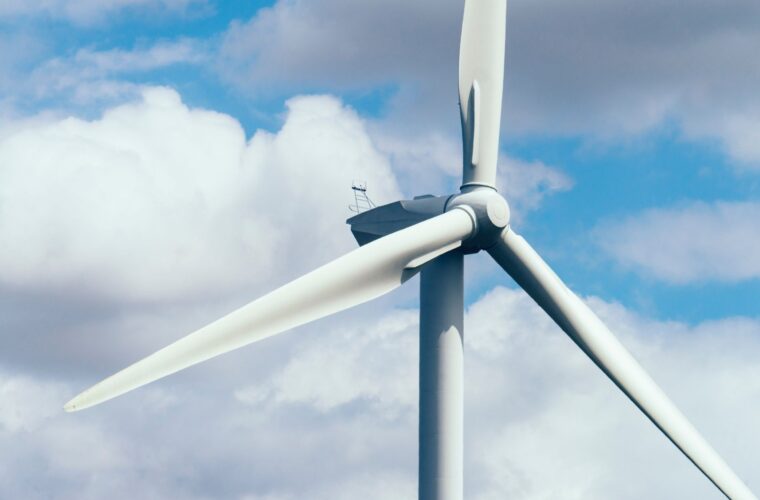
Spanning the counties of Howard and Glasscock in West Texas, the Panther Creek Wind Farm is a monumental testament to the strategic and industrial-scale development of wind energy. As one of the largest wind power facilities in the world when constructed, it cemented Texas’s dominance in the sector and showcased how massive, multi-phase projects could be built efficiently to harness the wind as a reliable, utility-grade power source for millions of Americans.
Significance & Context
The Panther Creek Wind Farm, developed by FPL Energy (now NextEra Energy Resources), is a titan of the U.S. renewable energy landscape. Built across multiple phases, the project’s total capacity surpasses 458 megawatts (MW), generating enough clean electricity to power more than 140,000 homes annually, based on calculations from the U.S. Energy Information Administration (EIA). This colossal output is a cornerstone of the Texas wind boom, feeding directly into the Electric Reliability Council of Texas (ERCOT) grid and supporting the state’s energy mix, as analyzed by the University of Texas at Austin Energy Institute.
Development Timeline
The project’s development exemplifies the rapid, large-scale build-out characteristic of Texas in the 2000s. The initial phase began construction in 2007, with subsequent phases added in quick succession. The final phase was completed by 2009, a timeline documented in the U.S. Wind Turbine Database and industry reports, marking a remarkably fast deployment of nearly half a gigawatt of capacity.
Technology & Innovation
At its development peak, the project utilized powerful and reliable Siemens (now Siemens Gamesa) 2.3 MW models. A key innovation was the implementation of a sophisticated, centralized Supervisory Control and Data Acquisition (SCADA) system to manage the vast array of turbines, a practice now standard for large plants and researched by the National Renewable Energy Laboratory (NREL). This ensured maximum efficiency and reliability from hundreds of individual units.
Challenges & Controversies
A significant challenge was managing the immense supply chain and logistical operation to transport and erect hundreds of massive turbine components across remote West Texas. This hurdle was resolved through meticulous advance planning, long-lead-time contracts, and the establishment of on-site logistics yards. The developer’s scale and experience, in an environment shaped by the state’s Competitive Renewable Energy Zones (CREZ) transmission policy overseen by the Public Utility Commission of Texas (PUCT), were critical to maintaining the aggressive build timeline.
Community & Economic Impact
For Howard and Glasscock Counties, the wind farm represents a transformative, long-term economic infusion. During the multi-phase construction peaks, the project typically employed 300-500 workers at a time, according to industry job models from the American Clean Power Association. In perpetuity, it generates tens of millions of dollars in property tax revenue, fundamentally bolstering county budgets, as reflected in Howard County and Glasscock County financial records. Furthermore, it provides substantial, guaranteed annual lease payments to ranchers, creating a drought-resistant income stream, a benefit for agricultural economics documented by Texas A&M AgriLife Extension.
Future Outlook
As a mature but critically important asset in the ERCOT fleet, the Panther Creek Wind Farm is a long-term power generator. Its future will likely involve repowering, a strategy analyzed in NREL reports on wind plant modernization. Replacing its original turbines with newer, more efficient models could significantly boost output on the same land footprint, extending its operational life and aligning with ERCOT’s long-term system planning, accessible through ERCOT’s Grid Planning reports. Its continued success underscores the enduring economic and energy value of West Texas wind.
At Barnes County you can find also: FPL Energy Ashtabula Wind