Arica Solar Farm represents a significant advancement in California’s renewable energy portfolio, demonstrating how large-scale solar development can thrive in regions with optimal solar resources while addressing complex environmental considerations. This project exemplifies the strategic expansion of solar generation in Southern California’s desert regions, balancing clean energy production with ecological preservation.
Significance & Context
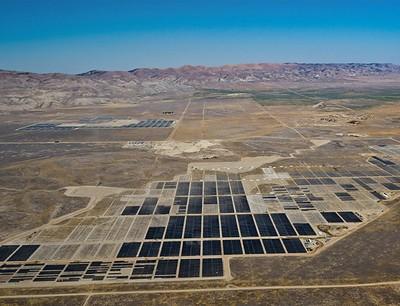
The Arica Solar Farm is a 175-megawatt (AC) facility developed by Recurrent Energy on private land in Imperial County. The project’s output is sold to San Diego Gas & Electric (SDG&E) under a long-term power purchase agreement, contributing directly to California’s mandate for 100% carbon-free electricity by 2045. According to data from the California Energy Commission (CEC), the facility generates enough electricity to power approximately 65,000 homes. This clean energy contribution displaces an estimated 250,000 metric tons of carbon dioxide emissions annually, supporting California’s climate goals while enhancing grid reliability for the San Diego region.
Development Timeline
The project’s development began with comprehensive site assessment and land acquisition in 2018. A key milestone was reached when the project was selected in SDG&E’s competitive solicitation process, which was approved by the California Public Utilities Commission (CPUC). The development team successfully navigated the local permitting process with the Imperial County Planning and Development Services. Construction commenced in 2021, and the project achieved commercial operation in 2023.
Technology & Innovation
The Arica Solar Farm utilizes advanced solar technology engineered for the Imperial Valley’s extreme desert environment. The facility features single-axis tracking systems with bifacial solar panels that capture both direct and reflected light from the desert floor, increasing energy yield by approximately 12-18% compared to conventional systems. According to performance data from the National Renewable Energy Laboratory (NREL), this configuration is particularly effective in high-temperature, high-irradiance environments. The project incorporates a water-free cleaning system for panel maintenance, using automated robotic technology that conserves scarce water resources in the arid Colorado Desert region.
Challenges & Controversies
A significant challenge for the Arica Solar project involved addressing the site’s proximity to sensitive desert habitats and minimizing impact on local wildlife corridors. The area supports several protected species and contains important ecological connectivity zones requiring careful mitigation planning. This challenge was resolved through extensive consultation with the California Department of Fish and Wildlife and implementation of a comprehensive Habitat Conservation Plan. The solution included strategic site design to preserve wildlife movement corridors, installation of specialized fencing to guide species around the facility, and funding for conservation efforts in adjacent protected areas.
Community & Economic Impact
The Arica Solar Farm provides substantial economic benefits to Imperial County. During the construction phase, the project typically employed 300-350 workers, according to workforce estimates from the Solar Energy Industries Association (SEIA). For long-term operations, it supports a permanent team of technicians for maintenance and monitoring. The project provides stable, long-term lease payments to local landowners, creating a reliable revenue source in a region where traditional agriculture faces water scarcity challenges. Based on California’s tax policies for renewable energy, the project likely contributes significant annual tax revenue to Imperial County, directly benefiting local schools and public services.
Future Outlook
With an operational lifespan of 30+ years, the Arica Solar Farm represents a long-term commitment to California’s energy future. The project’s success demonstrates the viability of large-scale solar development in the Imperial Valley while establishing important precedents for environmentally responsible desert solar development. The site’s infrastructure is designed with future potential in mind; it could potentially host co-located battery energy storage systems (BESS) to store excess solar energy for use during evening peak demand periods. As California continues to implement its clean energy transition, the Arica Solar Farm will serve as a model for how strategic renewable energy development can support both environmental protection and economic development in desert communities.
See also at California: Victory Pass solar farm