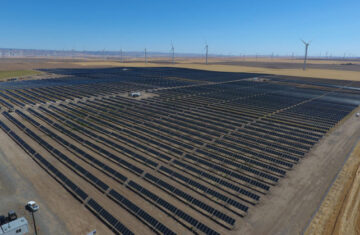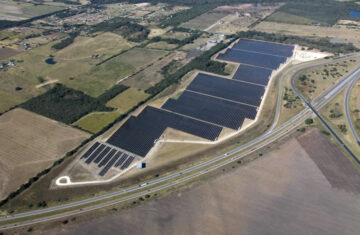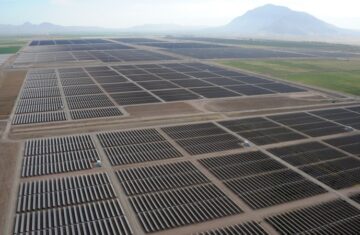
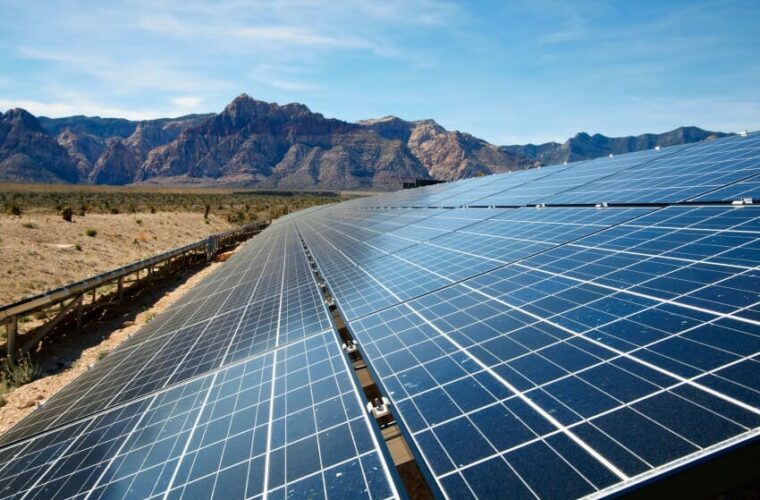
Sonoran Desert southwest of Phoenix, the Sonoran Solar Energy Center is poised to become a cornerstone of Arizona’s clean energy future. As one of the largest solar projects in the state, it represents a critical investment in diversifying the region’s power supply, bolstering water conservation, and meeting the escalating energy demands of the booming Southwest.
Significance & Context
The Sonoran Solar Energy Center is a monumental 250-megawatt (MW) facility being developed by Invenergy. In a significant departure from traditional power plants, the project will require virtually no water for its primary operations, a crucial advantage in a drought-stricken state. The entire electrical output has been contracted to Salt River Project (SRP), one of Arizona’s major public utilities, under a long-term power purchase agreement detailed in SRP’s resource planning documents. Upon completion, the facility will generate enough electricity to power approximately 60,000 Arizona homes, making a substantial contribution to SRP’s goal of adding 2,025 MW of new utility-scale solar by 2025.
Development Timeline
The project’s development has been a multi-year endeavor. Initial planning and land acquisition began in the late 2010s, with the project officially announced in 2021 following the execution of the PPA with SRP. The project successfully secured its interconnection agreement with the Arizona Public Service (APS) grid, a process tracked in public utility filings. After a lengthy development and permitting phase, which included extensive environmental review, major construction commenced in early 2024. The project is on track to achieve commercial operation by the end of 2025.
Technology & Innovation
The Sonoran Solar Energy Center will utilize advanced single-axis tracking systems to maximize energy capture from the intense desert sun. A key innovative feature is its pioneering waterless design for cleaning the vast solar arrays. Instead of using precious groundwater, the project will employ an automated, water-free cleaning system that uses controlled air streams and specialized brushes to maintain panel efficiency. This technology, increasingly vital in arid regions, is a focus of research by the National Renewable Energy Laboratory (NREL) to minimize the environmental footprint of large-scale solar.
Challenges & Controversies
A significant challenge for the Sonoran Solar project was navigating its environmental review, particularly regarding its potential impact on sensitive desert wildlife and habitats. The site is in proximity to areas inhabited by species like the endangered Sonoran Pronghorn. To secure permits from the Arizona Game and Fish Department, the developers committed to an extensive mitigation plan. This includes creating dedicated wildlife corridors, funding regional conservation efforts, and implementing strict lighting controls to minimize disruption to nocturnal animals, turning an environmental challenge into a net benefit for local ecosystems.
Community & Economic Impact
The project is delivering a substantial economic boost to Maricopa County. During the peak of construction, Sonoran Solar Energy typically employs over 400 workers, providing a significant surge in local spending. Over its operational lifetime, the project likely contributes tens of millions of dollars in new property tax revenue, a vital source of funding for local schools, public safety, and infrastructure. For the private landowners hosting the facility, the long-term lease payments offer a stable and reliable source of income, providing financial resilience in the desert environment.
Future Outlook
Once operational, the Sonoran Solar Energy Center will be a long-term, zero-emission power source for the Phoenix metropolitan area for decades. Its scale and technological choices set a new standard for sustainable solar development in arid environments. The project’s infrastructure is also designed to be “storage-ready,” with clear potential for the future co-location of a large-scale battery energy storage system. As highlighted in the U.S. Energy Information Administration’s (EIA) Annual Energy Outlook, adding storage would allow Sonoran Solar to dispatch power after sunset, dramatically increasing its value and reliability for the SRP grid and solidifying its role as a pillar of Arizona’s energy resilience.
Also at Arizona: McFarland Solar and Storage