In Ohio’s evolving energy landscape, the Clearview Solar 1 project represents a significant step in the state’s strategic diversification beyond its traditional manufacturing and fossil fuel base. This utility-scale development demonstrates solar power’s growing competitiveness in the Midwest and its potential to create new economic pathways for rural communities. By integrating renewable generation with agricultural preservation, Clearview Solar 1 provides a model for how Ohio can balance clean energy goals with its strong farming heritage while supporting grid reliability.
Significance & Context
The Clearview Solar 1 project is a meaningful addition to Ohio’s power grid, interconnected with the PJM Interconnection system that serves much of the eastern United States. Its development supports the state’s economic development strategy by providing cost-competitive electricity for both utilities and large commercial users seeking renewable options. The project aligns with market-driven renewable energy growth in Ohio, a trend tracked by the Public Utilities Commission of Ohio, and contributes to a more diverse generation mix less susceptible to fuel price volatility.
Development Timeline
Development for Clearview Solar 1 began in the early 2020s, as solar economics improved and corporate demand for clean energy increased. Key milestones included securing land leases from multiple local landowners, obtaining certification from the Ohio Power Siting Board, and finalizing power purchase agreements. Construction commenced in 2023, with site work adapted to Ohio’s seasonal climate, and the project achieved commercial operation in 2025.
Technology & Innovation
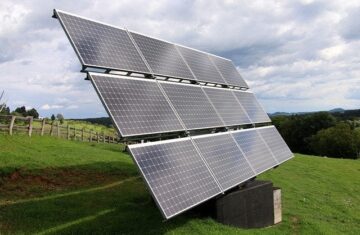
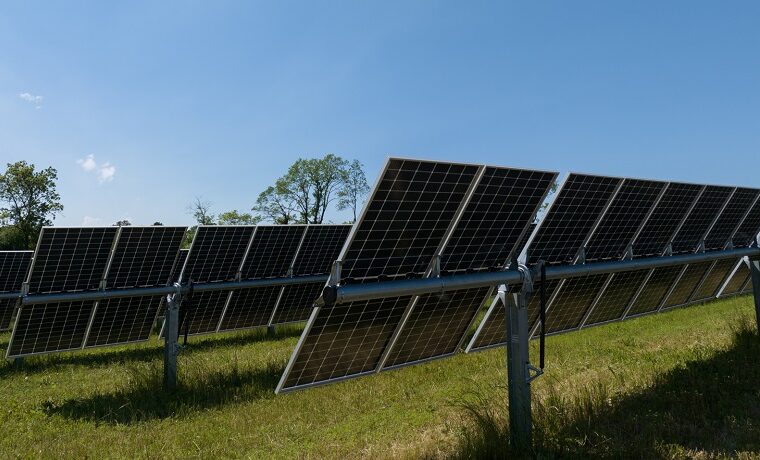
The Clearview Solar 1 facility utilizes cold-climate optimized solar panels mounted on single-axis tracking systems to maximize energy production throughout the year. The project incorporates advanced inverters that provide voltage support to enhance local grid reliability. A key feature is its agrivoltaic design, which maintains agricultural activity through sheep grazing and pollinator habitats beneath the arrays—a dual-use approach supported by research from The Ohio State University College of Food, Agricultural, and Environmental Sciences.
Challenges & Controversies
A significant challenge for Clearview Solar 1 was navigating local concerns about land use conversion in a community with strong agricultural roots. Some residents expressed apprehension about the project’s visual impact and effect on the rural character of the area. The developers addressed these concerns through extensive public engagement, including town hall meetings and collaboration with county officials. They implemented design modifications such as increased vegetative buffering and provided binding decommissioning agreements, which helped build community support.
Community & Economic Impact
For the host county, Clearview Solar 1 delivers substantial economic benefits. During the construction phase, the project typically employed over 150 workers, providing a significant boost to local businesses. The permanent operations and maintenance team creates several long-term, skilled technical positions. The project likely contributes a major increase in property tax revenue over its operational life, providing crucial funding for local schools, public safety, and infrastructure—a fiscal impact documented by the Ohio Office of Budget and Management. Landowners receive stable lease payments that complement farm income.
Future Outlook
The successful commissioning of Clearview Solar 1 establishes a viable template for solar development in Ohio’s agricultural communities. Its agrivoltaic approach provides a replicable model for future projects seeking to balance energy production with land stewardship. As battery storage costs decline, the site presents a logical opportunity for future co-located energy storage, which would enhance its ability to supply power during peak demand periods. Clearview Solar 1 demonstrates that Ohio’s energy future can be built in harmony with its agricultural identity, creating diversified revenue streams that strengthen rural communities.
Also at Ohio: Fox Squirrel Solar