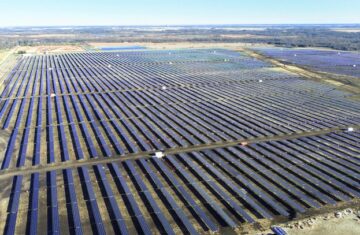
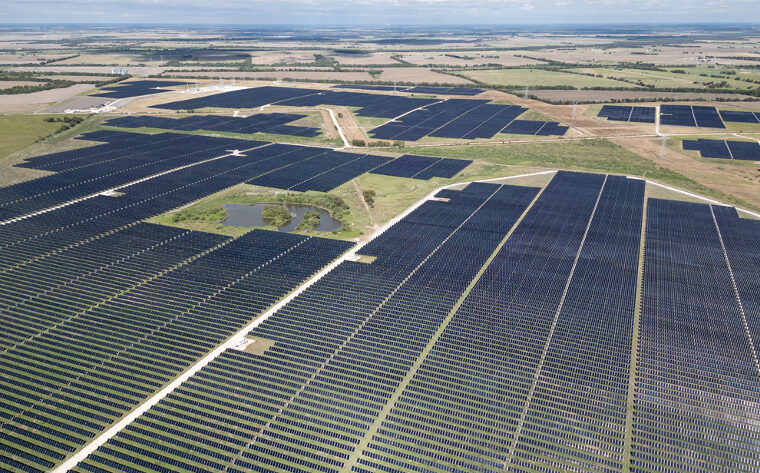
OETN1 Solar Farm represents a significant step in the strategic diversification of one of the nation’s largest public power providers. Developed to supply clean energy to a major federal facility, this project underscores a pivotal shift where large, anchor tenants are directly catalyzing the development of new renewable generation. OETN1 demonstrates how targeted procurement is accelerating solar adoption in a region traditionally dominated by coal, nuclear, and natural gas, setting a precedent for future public-private partnerships.
Significance & Context
The OETN1 Solar Farm is a key component of the Tennessee Valley Authority (TVA) initiative to add 10,000 megawatts of solar capacity by 2035, as outlined in its Integrated Resource Plan. The project’s significance is amplified by its dedicated offtaker: the Oak Ridge National Laboratory (ORNL), a premier U.S. Department of Energy research facility. By powering critical federal research with locally generated renewable energy, OETN1 directly supports both national security and decarbonization goals, while adding valuable capacity to the TVA grid and enhancing its resilience.
Development Timeline
Development for the OETN1 Solar Farm was initiated in the early 2020s, driven by the specific clean energy requirements of ORNL. The timeline involved a competitive bidding process managed by TVA, site selection and land acquisition, and securing the necessary local and state permits. A critical milestone was the execution of a long-term power purchase agreement between TVA and the federal agency. Construction began in 2023, and the project was completed and began delivering power to the ORNL campus in 2025.
Technology & Innovation
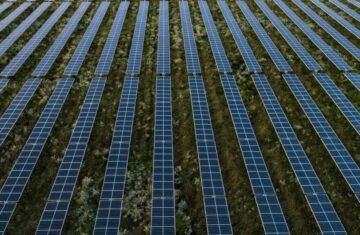
The OETN1 Solar Farm utilizes durable, high-efficiency photovoltaic panels mounted on single-axis tracking systems to maximize energy capture in Tennessee’s climate. The project’s design prioritizes reliability and grid integration, featuring advanced inverters that provide essential grid services. A notable aspect of its innovation lies in its interconnection and dedicated transmission setup, engineered to deliver power directly and reliably to the high-security ORNL campus, demonstrating a model for serving large, critical-load facilities with dedicated renewable assets.
Challenges & Controversies
A primary challenge for the OETN1 project involved navigating the complexities of a federal procurement process and ensuring the project design met the stringent reliability and security standards required for a national laboratory. This required close coordination between the developer, TVA, and federal agencies, involving more rigorous technical and security reviews than a standard utility-scale project. These hurdles were overcome through a collaborative, multi-stakeholder approach that aligned the project’s development timeline with the federal government’s budgeting and procurement cycles.
Community & Economic Impact
For the local county, the OETN1 Solar Farm provides a tangible economic benefit. During the construction phase, the project typically employed over 200 workers, providing a boost to local businesses. The permanent operations and maintenance team, while smaller, creates long-term, skilled jobs in the community. The project likely contributes a significant and predictable stream of property tax revenue, which supports local schools, roads, and emergency services—a fiscal benefit analyzed by the University of Tennessee Institute for Public Service. Landowners involved in the project gain a stable, long-term source of lease revenue.
Future Outlook
The successful completion of OETN1 establishes a powerful template for future renewable energy projects dedicated to federal facilities within the TVA service area. It proves the viability of complex, multi-party agreements to drive specific decarbonization outcomes. As battery storage costs decline, the site presents a strong case for future co-location of energy storage to further enhance the resilience and reliability of power supply to ORNL. The project solidifies the role of targeted solar development as a key strategy for meeting the clean energy demands of the region’s largest and most critical electricity consumers.
There is another one at USA: Wilmot Energy Center