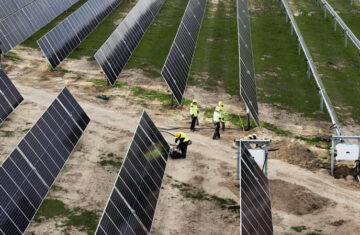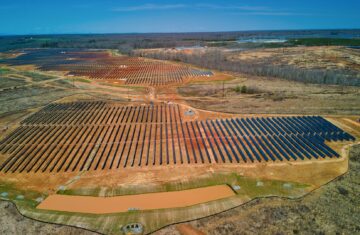

Lily Solar Hybrid project represents the strategic integration of solar generation with battery storage, demonstrating how hybrid technology can maximize the value and reliability of renewable energy in the competitive ERCOT market. This project exemplifies the next generation of solar development, where energy storage transforms intermittent solar power into a dispatchable resource capable of meeting evening peak demand.
Significance & Context
The Lily Solar Hybrid is a 100-megawatt (AC) solar facility coupled with a 30-megawatt battery energy storage system developed by Clearway Energy Group. The project sells its power through a long-term power purchase agreement to a combination of commercial and utility offtakers, including Austin Energy, supporting their renewable energy goals. According to data from the Electric Reliability Council of Texas (ERCOT), the facility generates enough electricity to power approximately 20,000 homes during peak output, with the battery storage extending this capability into critical evening hours. The project displaces an estimated 180,000 metric tons of carbon dioxide emissions annually.
Development Timeline
The project’s development began with site selection and land acquisition in 2019. A key milestone was reached when the project secured its interconnection agreement with ERCOT, a process that included specific studies for the hybrid configuration. The development team successfully navigated local permitting with the relevant county commissioners court and adhered to regulations overseen by the Texas Commission on Environmental Quality (TCEQ). Construction commenced in 2022, and the hybrid facility achieved commercial operation in late 2023.
Technology & Innovation
The Lily Solar Hybrid utilizes a fully integrated system where solar generation and battery storage work in concert. The solar component features single-axis tracking systems with monocrystalline panels optimized for high irradiance conditions. The core innovation is the lithium-ion battery storage system and its sophisticated control software, which can store excess solar energy generated midday and discharge it during the valuable 4-8 pm peak period. According to analysis from the National Renewable Energy Laboratory (NREL), this hybrid configuration can increase the revenue potential of a solar project by up to 30% by optimizing energy delivery to align with peak pricing and demand.
Challenges & Controversies
A significant challenge for the Lily Solar Hybrid project was the technical and regulatory complexity of interconnecting a co-located solar and storage facility with ERCOT. This required developing new control systems and ensuring compliance with specific performance standards for hybrid resources. The resolution involved close collaboration with ERCOT, technology providers, and the offtakers to design a system that met all reliability requirements. Additionally, the project faced higher upfront capital costs compared to a solar-only facility. This was mitigated by securing a diversified offtake structure that captured the enhanced value of dispatchable solar power.
Community & Economic Impact
The Lily Solar Hybrid project provides substantial economic benefits to its host county. During the construction phase, the project typically employed 200-250 workers, according to workforce estimates from the Solar Energy Industries Association (SEIA). For long-term operations, it supports a permanent team of technicians skilled in maintaining both solar and storage technologies. The project provides stable, long-term lease payments to local landowners. Based on the Texas Comptroller’s guidelines on property tax abatements for renewable energy, the project likely contributes significant annual tax revenue to the county, benefiting local schools and public services.
Future Outlook
With an operational lifespan of 30+ years, the Lily Solar Hybrid represents a long-term, strategic asset for the ERCOT grid. Its successful operation provides a commercial blueprint for future hybrid projects, demonstrating that solar-plus-storage is a economically viable solution for enhancing grid reliability. As battery costs continue to decline, there is potential for expanding the storage capacity at the site. The Lily Solar Hybrid underscores a clear industry trend: the future of renewable energy lies not just in generation, but in smart, integrated storage solutions that provide power when demand is highest, thereby increasing the overall value and stability of clean energy on the grid.
Also at Texas: Fort Bend Solar farm