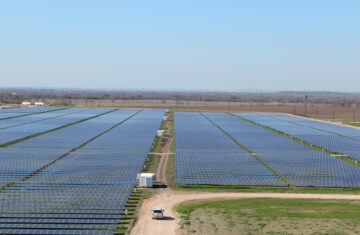
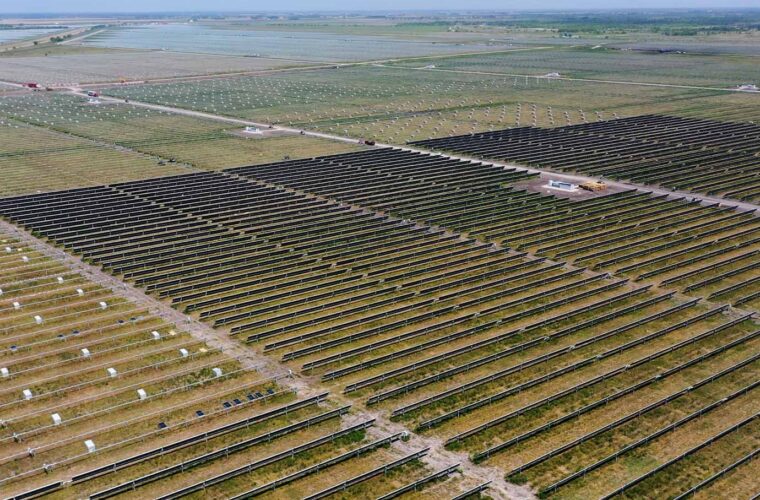
Fort Bend Solar Farm represents a strategic and modern addition to Texas’s diverse power portfolio. Located in a rapidly growing region near Houston, this project highlights a critical shift: the expansion of utility-scale solar from West Texas’s open plains into the energy-hungry demand centers of the state’s metropolitan areas. By generating clean power close to where it is consumed, Fort Bend Solar enhances local grid reliability, reduces transmission losses, and serves as a cornerstone for the region’s sustainable economic growth.
Significance & Context
The Fort Bend Solar Farm‘s location within the Electric Reliability Council of Texas (ERCOT) grid is of particular importance. Situated in Fort Bend County, one of the fastest-growing counties in the United States, the project directly addresses the escalating electricity demand from new residential and commercial development. Its proximity to the Greater Houston area, a global hub for energy and manufacturing, allows it to supply power with greater efficiency than remote West Texas solar farms, which require long-distance transmission. This strategic siting is aligned with findings from the Electric Power Research Institute (EPRI) on the benefits of locating generation near load centers.
Development Timeline
Development for the Fort Bend Solar project accelerated in the early 2020s, driven by the clear demand signals from the Houston region’s growth. The timeline involved complex land acquisition in a competitive real estate market and meticulous navigation of county-level permitting processes. A key milestone was securing an interconnection agreement with the local transmission utility to deliver power to the grid. Construction began in 2023, and the project is slated to achieve commercial operation in 2025, following a development period marked by both opportunity and regional logistical challenges.
Technology & Innovation
The Fort Bend Solar Farm utilizes high-efficiency, double-sided (bifacial) solar panels mounted on single-axis tracking systems. This technology captures direct sunlight on the front and reflected light on the rear, a particular advantage in areas with reflective ground cover, increasing overall energy yield. The project’s design also incorporates advanced stormwater management systems, a critical consideration in a region prone to heavy rainfall and flooding. This focus on resilience ensures the facility can withstand extreme weather events, a growing priority for grid infrastructure as noted by the National Renewable Energy Laboratory (NREL).
Challenges & Controversies
A primary challenge for the Fort Bend Solar project involved balancing land use in a populous and developing county. Unlike remote solar farms, this project had to address concerns about visual impact, traffic during construction, and compatibility with adjacent residential and commercial properties. The developers addressed these through proactive community engagement, presenting detailed site plans at public hearings overseen by the Fort Bend County Commissioners Court. They implemented significant vegetative buffering, adjusted construction logistics to minimize disruption, and highlighted the project’s positive fiscal impact, which helped secure necessary approvals.
Community & Economic Impact
For Fort Bend County, the project delivers direct and lasting economic benefits. During peak construction, a project of this scale typically employs several hundred workers, providing a boost to local businesses. The long-term economic impact is even more significant. The Fort Bend Solar Farm likely contributes a substantial and predictable stream of property tax revenue over its decades-long lifespan. This new revenue can be allocated to essential public services such as schools, road maintenance, and emergency services without directly raising taxes on residents—a key benefit highlighted by the Texas Comptroller of Public Accounts. Landowners receive stable lease payments, diversifying their income sources.
Future Outlook
The Fort Bend Solar Farm is a pioneer for urban-adjacent solar development in Texas. Its successful integration into a densely populated region demonstrates the viability of such projects and is likely to inspire similar developments around other major Texas cities. As corporate and residential demand for clean energy continues to surge, the project’s location makes it an attractive source for future Power Purchase Agreements (PPAs). Furthermore, the site has a clear pathway for future augmentation with battery storage, which would allow it to provide power during evening peaks and further enhance local grid resilience, solidifying its role in the region’s energy future.
Also at Texas: Lily Solar Hybrid