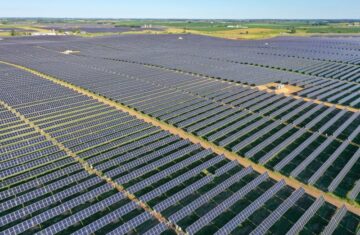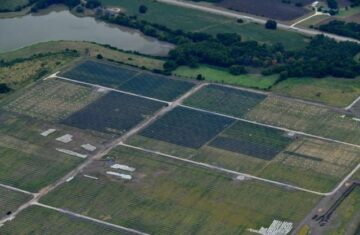
Samson Solar Energy III represents a critical phase in a multi-project initiative that is transforming Northeast Texas into a major renewable energy hub. This project demonstrates how coordinated, large-scale development can optimize infrastructure and maximize economic benefits while significantly contributing to grid decarbonization.
Significance & Context
Samson Solar Energy III is a 250-megawatt (AC) component of the broader 1,300-megawatt Samson Solar Energy Center developed by Invenergy across multiple Texas counties. The project’s output is contracted to The McDonald’s Corporation and Google, highlighting the growing role of corporate procurement in driving renewable energy development. According to data from the Electric Reliability Council of Texas (ERCOT), the full Samson complex generates enough electricity to power approximately 300,000 homes, with Samson III contributing significantly to this output. The project displaces an estimated 400,000 metric tons of carbon dioxide emissions annually, supporting ambitious corporate sustainability goals.
Development Timeline
The project’s development began as part of the master-planned Samson Solar Energy Center in 2018. A key milestone was reached when the project secured power purchase agreements with its corporate offtakers in 2020. The development team successfully coordinated interconnection with ERCOT and navigated local permitting across multiple jurisdictions. Construction commenced in 2021, with Samson Solar Energy III achieving commercial operation in 2023, concurrently with other phases of the development.
Technology & Innovation
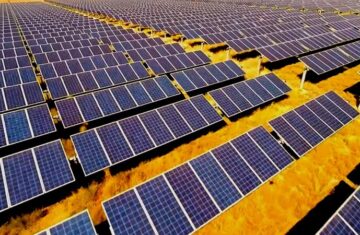
Samson Solar Energy III utilizes utility-scale solar technology optimized for East Texas conditions. The facility features single-axis tracking systems with bifacial solar panels that capture reflected light, increasing energy yield. A key innovation of the overall Samson project is the coordinated development approach, which allows for shared infrastructure and optimized grid interconnection. According to technical analysis from the National Renewable Energy Laboratory (NREL), this clustered development model reduces costs and environmental impact compared to multiple standalone projects. The project incorporates advanced monitoring systems that provide real-time performance data across the extensive solar array.
Challenges & Controversies
A significant challenge for the Samson Solar Energy III project involved managing the scale and complexity of a multi-phase development across several counties. This required coordinated permitting, environmental reviews, and community engagement across multiple jurisdictions. The project also faced logistical challenges in transporting materials and managing construction activities across a widespread area. These challenges were resolved through centralized project management, phased construction scheduling, and establishing consistent community benefits agreements across all host communities. The development team implemented comprehensive erosion control measures tailored to the region’s soil conditions and precipitation patterns.
Community & Economic Impact
The Samson Solar Energy III project provides substantial economic benefits to its host counties. During peak construction, the project typically employed 300-400 workers, according to workforce estimates from the Solar Energy Industries Association (SEIA). For long-term operations, it supports a permanent team of technicians integrated with the broader Samson complex maintenance crew. The project provides stable, long-term lease payments to numerous local landowners. Based on the Texas Comptroller’s guidelines on property tax abatements for renewable energy, the project likely contributes significant annual tax revenue to host counties, benefiting local schools and public services.
Future Outlook
With an operational lifespan exceeding 30 years, Samson Solar Energy III represents a long-term anchor in the Samson Solar Energy Center’s contribution to Texas’s energy portfolio. The project’s success as part of a coordinated development provides a model for future large-scale renewable energy initiatives. The existing infrastructure has potential for future augmentation with battery energy storage systems (BESS), which could further enhance the complex’s value to the grid. As corporate demand for renewable energy continues to grow, the Samson Solar Energy Center demonstrates how strategic, large-scale development can efficiently meet sustainability goals while providing lasting economic benefits to rural communities.
Also at Texas: Azure Sky Solar