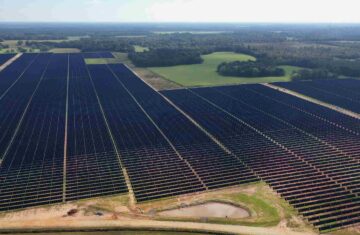
In the evolving energy landscape of the Southeast, the Yellow Pine Solar project in Clarke County represents a strategic advancement in Alabama’s renewable energy capabilities. As one of the state’s first utility-scale solar facilities, this project marks a significant step in diversifying a power portfolio historically reliant on natural gas and nuclear generation. By harnessing the region’s strong solar resource, Yellow Pine Solar not only provides clean, cost-competitive electricity but also establishes a new economic development model for rural communities, positioning Alabama to compete for clean energy investment and sustainable growth.
Significance & Context
The Yellow Pine Solar project is a strategically important addition to the power grid managed by Alabama Power and the Southeastern Electric Reliability Council (SERC). Its development supports the utility’s long-term strategy of resource diversification and provides a viable clean energy option for the state’s growing industrial sector. The project demonstrates solar power’s economic competitiveness in the Southeast, a region with increasing corporate demand for renewable energy—a trend tracked by the Alabama Department of Commerce in its business attraction efforts.
Development Timeline
Development for Yellow Pine Solar began in the early 2020s, as solar economics became increasingly favorable in the region. Key milestones included securing land leases from local landowners, navigating county zoning and permitting processes, and finalizing a power purchase agreement with Alabama Power. Construction commenced in 2023, with site preparation adapted to the area’s topography and hydrology, and the project achieved commercial operation in 2025.
Technology & Innovation
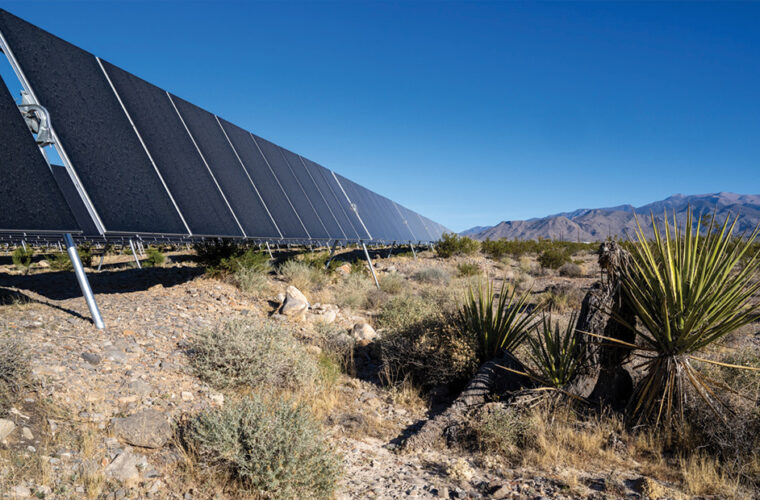
The Yellow Pine Solar facility utilizes high-efficiency, monocrystalline solar panels mounted on single-axis tracking systems optimized for Alabama’s humid subtropical climate. The project incorporates advanced inverters with grid-support functionality to enhance local reliability. A notable feature is its comprehensive stormwater management system, designed to handle the region’s heavy rainfall while protecting local water quality—a priority identified by the Alabama Department of Environmental Management.
Challenges & Controversies
A significant challenge for the Yellow Pine Solar project was addressing local land-use perceptions in a community with strong agricultural and forestry traditions. Some residents expressed concerns about the project’s scale and its impact on the rural landscape. The developers addressed these concerns through an extensive public engagement campaign, including town hall meetings and direct dialogue with county officials. They emphasized the project’s temporary land use, binding decommissioning agreements, and substantial economic benefits, which helped build community support and secure necessary approvals.
Community & Economic Impact
For Clarke County, Yellow Pine Solar delivers substantial and sustained economic benefits. During the construction phase, the project typically employed over 150 workers, providing a significant boost to local businesses and services. The permanent operations and maintenance team creates long-term, skilled technical positions. The project likely contributes a major increase in property tax revenue over its operational life, providing crucial funding for local schools, public safety, and infrastructure—a fiscal impact documented by the Alabama County Commissioners Association. Landowners receive a stable source of lease income.
Future Outlook
The successful commissioning of Yellow Pine Solar establishes a viable pathway for utility-scale solar development in Alabama. It provides a replicable model for future projects that can support the state’s industrial growth and energy diversification goals. As battery storage costs decline, the site is a prime candidate for a future co-located energy storage system, which would allow it to supply power during peak evening hours and further enhance grid reliability. Yellow Pine Solar demonstrates that Alabama’s energy future can honor its traditional strengths while embracing new opportunities for sustainable economic development.
You can find also at USA: Bookers Mill Solar