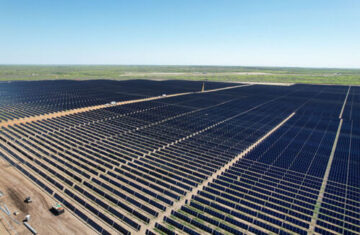
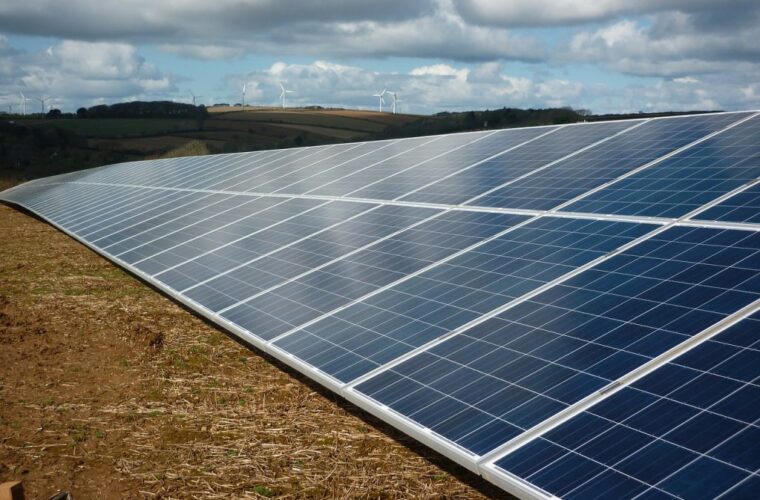
Located in the sun-rich landscape of West Texas, the Chillingham Solar project represents a significant evolution in the state’s renewable energy infrastructure, combining large-scale generation with advanced storage to address the critical need for dispatchable clean power. This hybrid facility is engineered not merely to generate electricity, but to deliver it reliably during peak demand periods, enhancing grid stability for the ERCOT market.
Significance & Context
The Chillingham Solar project is a major 180-megawatt (MW) solar array integrated with a 50 MW / 200 MWh battery energy storage system (BESS). Developed by Clearway Energy Group, the facility represents a capital investment of approximately $250 million. Its entire capacity is contracted to Microsoft under a long-term power purchase agreement, supporting the tech giant’s commitment to power its data center operations with 100% renewable energy by 2025. The project will generate enough electricity to power approximately 36,000 Texas homes and its four-hour duration battery will provide crucial grid services during the evening peak.
Development Timeline
Development for Chillingham Solar began with land acquisition and preliminary design in 2019. The project successfully navigated the ERCOT interconnection process for a hybrid resource, a status visible in the public ERCOT Generation Interconnection Queue. After securing its corporate PPA and finalizing engineering plans, construction commenced in early 2022. The project achieved full commercial operation for both its solar and storage components in the third quarter of 2024.
Technology & Innovation
The project’s core innovation is its fully integrated solar-plus-storage design. The solar component utilizes single-axis trackers, while the co-located BESS uses lithium-ion technology specifically engineered to store excess solar energy and dispatch it during the critical 6-10 PM window when grid demand remains high but solar generation declines. This capability to time-shift energy delivery, documented in analyses by the National Renewable Energy Laboratory (NREL), transforms intermittent solar into a firm, dispatchable resource that can help prevent grid emergencies.
Challenges & Controversies
A significant challenge for the Chillingham project was mitigating its impact on a sensitive semi-arid ecosystem. Initial surveys identified potential habitat for species of concern. The developers addressed this by working with the Texas Parks and Wildlife Department (TPWD) to implement a comprehensive Habitat Conservation Plan. This included adjusting the project layout to preserve key wildlife corridors, using low-impact construction techniques to minimize disturbance to native vegetation, and funding a multi-year research grant to TPWD for regional conservation efforts.
Community & Economic Impact
The project delivers a substantial economic benefit to its host county. During peak construction, Chillingham Solar typically employed over 300 workers, providing a significant boost to local services. Over its 30-year operational life, the project is projected to generate over $20 million in new property tax revenue. This revenue will likely contribute critically to the county’s budget, providing stable funding for local schools, road maintenance, and emergency services. For the participating landowners, the long-term lease payments offer a stable and drought-resilient source of income.
Future Outlook
Now operational, Chillingham Solar serves as a long-term, reliable clean energy asset for both Microsoft and the ERCOT grid. Its success demonstrates the commercial and technical viability of large-scale solar-storage hybrids in the Texas market. The project’s infrastructure allows for potential future expansion of battery capacity. As battery technology advances, a trend tracked by the U.S. Energy Information Administration (EIA), expanding the storage duration would allow Chillingham to provide even greater grid reliability, solidifying its role in Texas’s energy future for decades to come.
Find also at Texas: Liberty County Solar Project