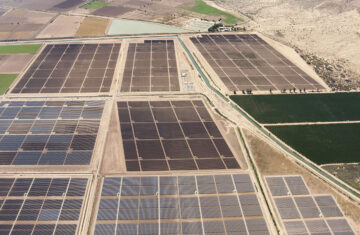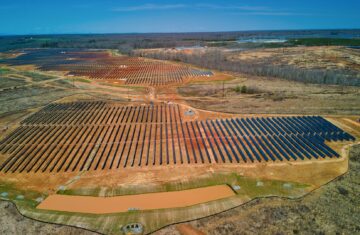

Roadrunner Hybrid Solar Farm represents a critical evolution in renewable project design, seamlessly integrating solar generation with battery storage to provide dispatchable, reliable clean power. This project addresses a key challenge of the modern grid by ensuring that solar energy is available not just when the sun shines, but also during peak evening demand, setting a new standard for future developments in the ERCOT market.
Significance & Context
The Roadrunner Hybrid Solar Farm is a major 200-megawatt (AC) facility co-located with a 40-megawatt / 80-megawatt-hour battery energy storage system (BESS) in West Texas. Developed by NextEra Energy Resources, the project’s combined output is sold into the Electric Reliability Council of Texas (ERCOT) grid. According to data from the U.S. Energy Information Administration (EIA), this hybrid design allows the facility to power approximately 40,000 homes during the day, with the battery system capable of extending that power supply for tens of thousands of homes for several hours after sunset. The project displaces an estimated 300,000 metric tons of carbon dioxide emissions annually, contributing significantly to grid decarbonization.
Development Timeline
The project’s development began with site selection and land acquisition around 2019. A key milestone was the successful negotiation of an interconnection agreement with ERCOT, a process detailed in public ERCOT interconnection queue reports. The project navigated local permitting and state-level regulations, including those overseen by the Texas Commission on Environmental Quality (TCEQ). Construction commenced in 2022, and the hybrid facility achieved full commercial operation in 2024.
Technology & Innovation
The innovation of the Roadrunner Hybrid project lies in the sophisticated integration of its components. The solar array utilizes single-axis tracking systems with high-efficiency photovoltaic panels to maximize energy capture. The core technological advancement is the lithium-ion battery storage system, which is charged by the solar array. A unified control system, compliant with ERCOT market rules, manages the flow of energy, deciding in real-time whether to send electricity directly to the grid or to store it for later, more valuable dispatch during peak demand periods. This hybrid model is a key innovation for maximizing the value and reliability of renewable resources.
Challenges & Controversies
A significant challenge for the Roadrunner Hybrid project was the technical and regulatory complexity of integrating a large-scale battery system with a solar farm for participation in the ERCOT market. This involved developing new control systems and ensuring compliance with stringent performance standards for grid reliability. The resolution involved extensive testing and collaboration with ERCOT and the Public Utility Commission of Texas (PUCT) to certify the facility’s capabilities. Additionally, the project implemented a comprehensive safety and hazard mitigation plan for the battery system, addressing potential concerns through industry-best practices and engineering controls.
Community & Economic Impact
The Roadrunner Hybrid Solar Farm provides substantial economic benefits to its local county. During the peak construction phase, a project of this scale typically employs over 400 workers, according to workforce estimates from the Solar Energy Industries Association (SEIA). For long-term operations, it supports a permanent team of technicians for maintenance and monitoring of both the solar and storage systems. The project provides a stable source of revenue for local landowners through long-term lease agreements. Based on the Texas Comptroller’s guidelines on property tax abatements for renewable energy, the project likely contributes significant annual tax revenue to the county, benefiting local schools and emergency services.
Future Outlook
The Roadrunner Hybrid Solar Farm is a long-term asset designed for a 30+ year operational life. Its success demonstrates the commercial viability of hybrid renewable projects in Texas and provides a replicable blueprint for future development. As battery technology costs continue to decline, there is potential for the storage capacity at the site to be expanded. The project’s ability to provide reliable, dispatchable clean power makes it a model for how Texas can achieve a more resilient and sustainable grid, aligning with trends identified by the Electric Power Research Institute (EPRI). Roadrunner Hybrid stands as a testament to the next phase of the energy transition, where integration and intelligence are as important as generation itself.
Find also at Texas: West of the Pecos Solar farm