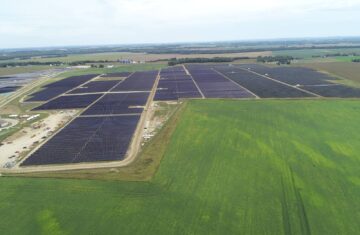
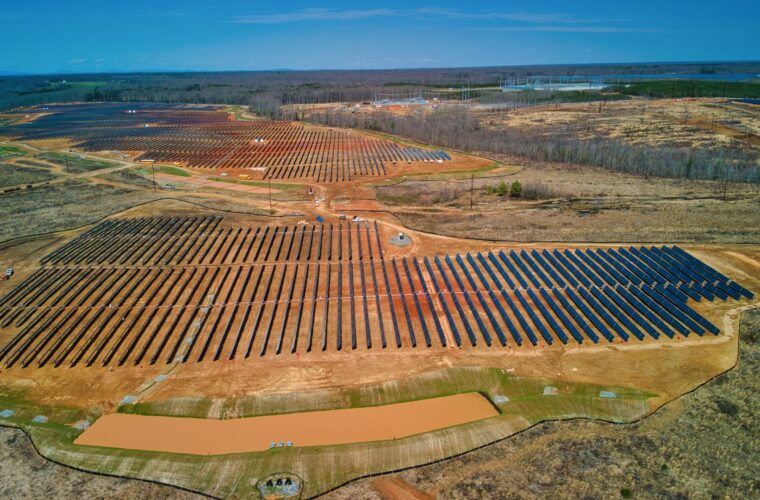
Amid Virginia’s concerted push toward a clean energy future, the Pleinmont Solar Farm in Pittsylvania County stands as a significant milestone, demonstrating the scale and impact of utility-scale solar development. This project, developed by Urban Grid, is a direct contributor to the state’s legislative goals and a catalyst for local economic activity, showcasing how private investment can align with public policy and community benefit in rural America.
Significance & Context
The Pleinmont Solar Farm is a key component in meeting the mandates of the Virginia Clean Economy Act (VCEA), which requires the state’s utilities to generate 100% of their electricity from carbon-free sources by 2045. According to project details from the Virginia Department of Environmental Quality, the facility has a planned capacity of 125 megawatts (AC). This output is sufficient to power an estimated 25,000 homes and will offset approximately 200,000 metric tons of carbon dioxide emissions annually. Its location in Pittsylvania County, an area emerging as a renewable energy hub, underscores a strategic shift in the region’s economic and energy landscape.
Development Timeline
The project’s development followed a structured path common to major energy infrastructure. Initial development work, including land acquisition and preliminary studies, began around 2019. The project successfully navigated the local permitting process with the Pittsylvania County Board of Supervisors. A critical milestone was securing an interconnection agreement with PJM Interconnection, the regional transmission organization that manages the electrical grid. Construction commenced in 2022, and the project reached commercial operation in 2024.
Technology & Innovation
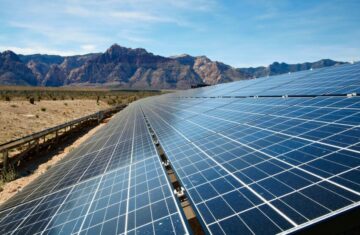
Pleinmont Solar employs modern photovoltaic (PV) technology to maximize energy production. The array features single-axis tracking systems, which allow the panels to follow the sun’s path, increasing energy capture by up to 25% compared to fixed-tilt systems. As noted in technical resources from the National Renewable Energy Laboratory (NREL), this technology is particularly effective in Virginia’s latitude. The project also utilizes a bifacial panel design in certain sections, capturing reflected light on the rear side of the modules to generate additional electricity, representing an incremental innovation in efficiency for large-scale solar farms.
Challenges & Controversies
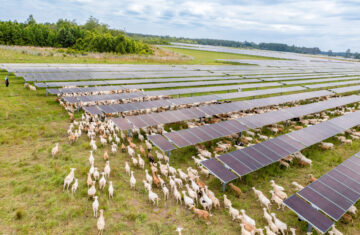
Like many solar projects of its scale, Pleinmont Solar faced challenges related to land use and community perception. Some local residents expressed concerns about the conversion of agricultural land and the visual impact of the large array. To address these issues, the developer engaged in a public consultation process and implemented mitigation measures. These included designing the project to accommodate continued agricultural uses like sheep grazing for vegetation management, a practice supported by resources from the Virginia Solar Initiative. This approach helped balance clean energy generation with the preservation of the county’s rural character.
Community & Economic Impact
The Pleinmont Solar Farm provides a multi-faceted economic boost to Pittsylvania County. During peak construction, a project of this scale typically employs several hundred workers, providing a significant, though temporary, infusion into the local economy. For ongoing operations, it requires a small team of permanent technicians for maintenance and monitoring. Most importantly, the project provides a stable, long-term source of revenue for local landowners through land lease payments. Based on industry standards and local tax rates, Pleinmont Solar likely contributes hundreds of thousands of dollars annually in new tax revenue to Pittsylvania County, directly benefiting public services like schools and emergency services.
Future Outlook
The successful commissioning of the Pleinmont Solar Farm solidifies Pittsylvania County’s role in Virginia’s energy transition. As a fully operational asset, it will provide clean power for decades. The project’s infrastructure is potentially compatible with future technological additions, such as co-located battery energy storage systems (BESS), which could store solar energy for use during evening peak hours. The development model demonstrated by Pleinmont Solar serves as a blueprint for future projects in the region, proving that utility-scale solar can be a responsible and beneficial neighbor while contributing meaningfully to state-wide climate goals.
You can find also at Virginia: Highlander Solar Energy Station 1