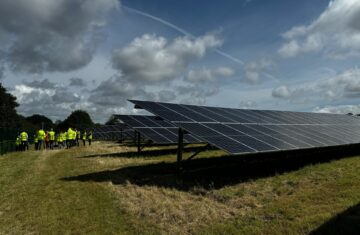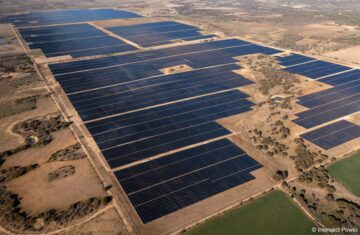
2W Permian Solar Project Hybrid represents a strategic integration of renewable energy into America’s most productive hydrocarbon region, demonstrating how solar power and energy storage can complement traditional oil and gas operations while diversifying the local economy. This project exemplifies the innovative convergence of traditional and renewable energy sectors in the Permian Basin.
Significance & Context
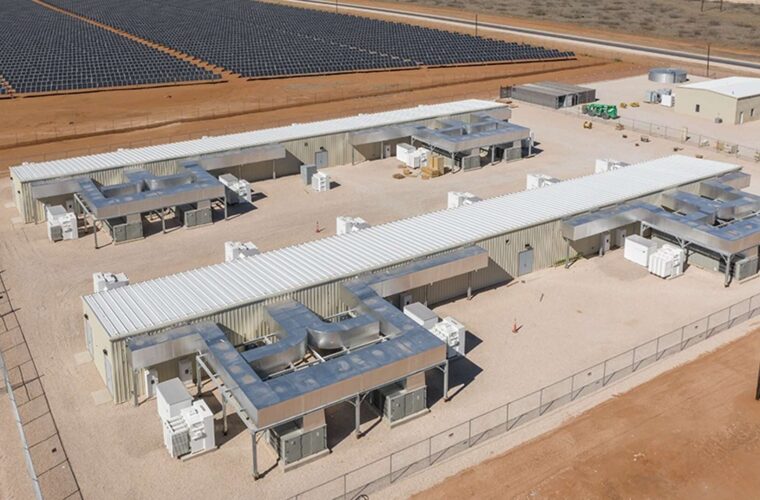
Developed by 2W Energy, the 250-megawatt (MW) 2W Permian Solar Project Hybrid combines solar generation with 100 MW/400 MWh of battery storage, creating one of the largest integrated renewable energy facilities in the Permian Basin. According to data from the U.S. Energy Information Administration (EIA), the facility generates enough electricity to power approximately 75,000 homes while providing crucial grid stability services to the Electric Reliability Council of Texas (ERCOT) market. Its location in the heart of the Permian Basin positions it to leverage existing energy infrastructure while providing clean power for both grid supply and potential oilfield electrification.
Development Timeline
The project’s development required navigating unique challenges of energy sector integration in a mature hydrocarbon region. Development activities began in 2021, with the project receiving local approvals in 2022 after addressing both energy and agricultural concerns. Construction commenced in 2023, achieving commercial operation in 2025, as documented in ERCOT Generation Interconnection Queue reports. This timeline included additional coordination with existing oil and gas operators to ensure compatible development in the energy-dense region.
Technology & Innovation
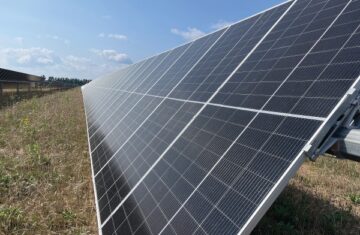
The 2W Permian Hybrid utilizes single-axis tracking systems with bifacial photovoltaic modules, while its core innovation lies in the grid-forming battery storage system specifically designed for hydrocarbon region integration. According to technical reports from the National Renewable Energy Laboratory (NREL), this configuration allows the facility to provide black start capability and voltage support to both renewable and traditional energy infrastructure. The project incorporates dual-purpose infrastructure designs that allow potential future integration with oilfield electrification projects, reducing the carbon footprint of nearby drilling operations.
Challenges & Controversies
The project faced unique challenges related to co-existing with active oil and gas operations and addressing concerns from both energy and agricultural stakeholders. Mineral rights conflicts and surface use agreements required innovative solutions to balance solar development with ongoing hydrocarbon extraction. The resolution involved implementing a Surface and Mineral Rights Integration Plan that included elevated mounting systems to allow continued mineral access, specialized safety protocols for battery storage near hydrocarbon operations, and a comprehensive Agricultural Compatibility Program that maintained grazing operations while ensuring safe coexistence with energy infrastructure.
Community & Economic Impact
For the host counties, the hybrid project has delivered enhanced economic benefits through both energy sector diversification and traditional economic support. During construction, the project typically employed 300-350 workers, with specialized positions for energy sector integration. For ongoing operations, it maintains 12-15 permanent positions with skills applicable to both renewable and traditional energy sectors. Based on West Texas tax assessment models, the project likely contributes approximately $1.8-2.2 million annually in property tax revenue to local governments. Additionally, it provides dual revenue streams for landowners through surface leases while preserving mineral rights income.
Future Outlook
With an expected operational lifespan of 30+ years for solar and 15-20 years for storage technology, the 2W Permian Solar Project Hybrid represents a long-term bridge between energy sectors. The project’s success in integrating with hydrocarbon operations provides a model for future energy transition projects in oil-producing regions. As Permian Basin operators increasingly seek to reduce their carbon footprint, the facility’s infrastructure positions it to potentially support oilfield electrification and other decarbonization initiatives. The project demonstrates that renewable energy development can complement rather than compete with traditional energy sectors, offering a template for balanced energy development that supports both economic stability and environmental progress in America’s most productive energy region.
Discover also at Texas: Delilah Solar Energy