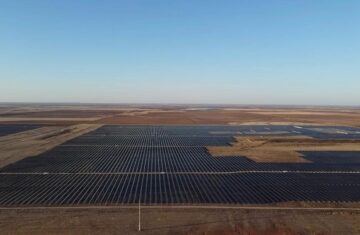
Central Valley, the Willow Spring Solar Farm represents a significant advancement in renewable energy development that balances utility-scale clean power generation with agricultural preservation. This project exemplifies how large-scale solar infrastructure can be integrated into working landscapes while providing substantial economic benefits to rural communities and supporting California’s ambitious climate goals.
Significance & Context
Developed by EDF Renewables, the 250-megawatt (MW) Willow Spring Solar Farm stands as a major contributor to California’s renewable energy portfolio while operating within the state’s agricultural compatibility framework. According to generation data from the California Energy Commission, the facility produces enough electricity to power approximately 90,000 homes, making it a significant asset for Southern California Edison‘s clean energy supply. Its location in Kern County, which has emerged as California’s renewable energy hub, positions it strategically to serve major population centers while adhering to guidelines that protect agricultural productivity and environmental resources.
Development Timeline
The project’s development followed Kern County’s established renewable energy framework while incorporating lessons from previous solar projects. Development activities began in 2018, with the project receiving approval from the Kern County Planning and Natural Resources Department in 2020 after comprehensive environmental review. Construction commenced in 2021, achieving commercial operation in 2023, as documented in California Independent System Operator (CAISO) interconnection records. This timeline reflected the county’s growing experience with utility-scale solar development and included enhanced community engagement processes to address agricultural compatibility concerns.
Technology & Innovation
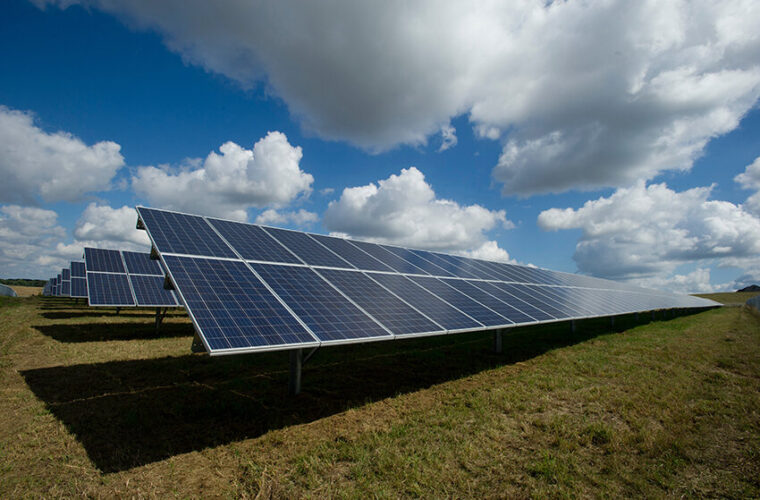
Willow Spring Solar utilizes single-axis tracking systems with bifacial photovoltaic modules, capturing reflected light from the ground to increase energy yield. According to performance data from the National Renewable Energy Laboratory (NREL), this technology combination can increase energy production by 10-15% compared to conventional single-sided panels. The project incorporates advanced inverters with grid-forming capabilities that provide essential reliability services to the local grid, including voltage support and frequency regulation. Water-free robotic cleaning systems and automated monitoring technology minimize environmental impact while maintaining optimal performance in the region’s agricultural environment.
Challenges & Controversies
The project faced significant challenges related to agricultural land use concerns and potential impacts on local farming operations. The Kern County Farm Bureau and agricultural advocacy groups raised concerns about prime farmland conversion and compatibility with surrounding agricultural activities. The resolution involved implementing a comprehensive Agricultural Compatibility Plan developed with the Kern County Agricultural Commissioner that included using primarily marginal lands, maintaining substantial agricultural buffers, and implementing reversible mounting systems that allow eventual return to full agricultural use. The project also addressed water management concerns through completely dry operations and specialized stormwater management systems designed to protect agricultural drainage patterns.
Community & Economic Impact
For Kern County, the project has delivered substantial economic benefits while addressing agricultural preservation considerations. During construction, the project typically employed 300-350 workers, with strong local hiring preferences for county residents. For ongoing operations, it maintains 10-12 permanent positions. Based on Kern County’s tax assessment models for utility-scale solar, the project likely contributes approximately $1.2-1.5 million annually in property tax revenue to local governments and school districts. Additionally, it provides stable lease payments to local landowners, creating a drought-resistant income source that complements agricultural revenues and provides financial stability for farming operations in the region.
Future Outlook
With an expected operational lifespan of 30+ years, the Willow Spring Solar Farm represents a long-term commitment to both clean energy and agricultural community support. The project’s approach to balancing solar development with agricultural considerations provides a model for future projects in working landscapes. As technology advances, the site may incorporate more sophisticated agrivoltaic systems or be repowered with more efficient panels. The project’s success demonstrates how renewable energy development can respect and support agricultural communities while contributing to California’s climate goals, providing a template for sustainable energy development that maintains the economic and cultural value of agricultural regions while advancing the state’s clean energy transition.
There is also at Kern: Eland Solar & Storage Center, Phase 1