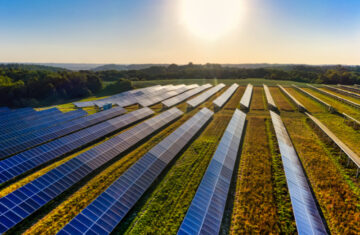
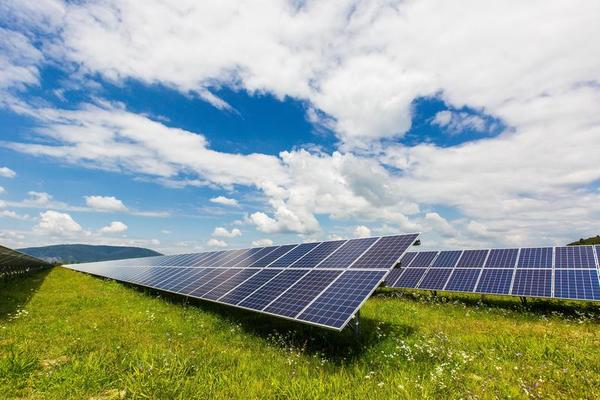
In the coastal plains of North Carolina, the Oak Solar project in Northampton County represents a strategic investment in rural economic development and energy diversification. This utility-scale facility demonstrates how solar generation can create new revenue streams for agricultural communities while contributing to the state’s clean energy goals. By thoughtfully integrating renewable infrastructure into the working landscape, Oak Solar provides a sustainable model for land use that supports both local economies and environmental stewardship in eastern North Carolina.
Significance & Context
The Oak Solar project is a meaningful addition to North Carolina’s power grid, interconnected with the Duke Energy Progress system. Its development supports the state’s renewable energy portfolio standard while providing cost-competitive electricity for utility customers. The project’s location in Northampton County, part of the state’s economically challenged coastal plain region, aligns with broader efforts to attract investment to rural areas—a priority identified by the North Carolina Department of Commerce.
Development Timeline
Development for Oak Solar began in the early 2020s, as solar economics continued to improve in the region. Key milestones included securing land leases from multiple local landowners, navigating county zoning and permitting processes, and finalizing power purchase agreements. Construction commenced in 2023, with site work adapted to the area’s topography and hydrology, and the project achieved commercial operation in 2025.
Technology & Innovation
The Oak Solar facility utilizes high-efficiency, monocrystalline solar panels mounted on single-axis tracking systems optimized for North Carolina’s climate. The project incorporates advanced inverters that provide voltage support to enhance local grid reliability. A notable feature is its comprehensive stormwater management system, designed to protect local water quality while meeting standards set by the North Carolina Department of Environmental Quality.
Challenges & Controversies
A primary challenge for the Oak Solar project was addressing local concerns about land use conversion in a community with strong agricultural traditions. Some residents expressed apprehension about the project’s visual impact and its effect on the rural character of the area. The developers addressed these concerns through proactive community engagement, including public meetings and collaboration with county officials. They implemented design modifications such as increased vegetative buffering and provided binding decommissioning agreements, which helped build local support.
Community & Economic Impact
For Northampton County, Oak Solar delivers substantial economic benefits. During the construction phase, the project typically employed over 150 workers, providing a significant boost to local businesses. The permanent operations and maintenance team creates several long-term, skilled technical positions. The project likely contributes a major increase in property tax revenue over its operational life, providing crucial funding for local schools, public safety, and infrastructure—a fiscal impact documented by the North Carolina Association of County Commissioners. Landowners receive a stable source of lease income.
Future Outlook
The successful commissioning of Oak Solar establishes a viable pathway for solar development in North Carolina’s coastal plain region. Its responsible approach to siting and community engagement provides a replicable model for future projects. As battery storage costs decline, the site presents a logical opportunity for future co-located energy storage, which would enhance its ability to supply power during peak demand periods. Oak Solar demonstrates that North Carolina’s clean energy transition can create economic opportunities that strengthen rural communities while advancing the state’s environmental goals.
There is also at USA: South Cheyenne Solar