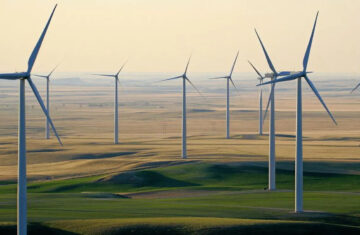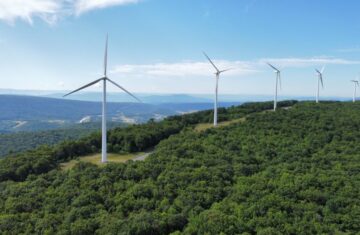
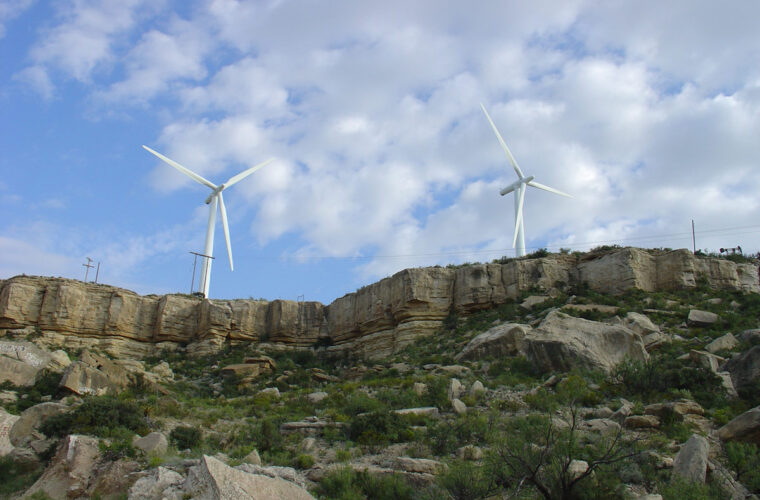
In the vast, windswept plains of West Texas, the King Mountain Wind Ranch 1 represents a pioneering chapter in the state’s renewable energy history, establishing itself as one of the early flagship projects that demonstrated the region’s world-class wind potential. This landmark development helped catalyze Texas’s transformation into a national wind energy leader, proving that the state’s energy dominance could extend beyond oil and gas. By harnessing the consistent winds of the Edwards Plateau, King Mountain Wind Ranch 1 not only generates massive amounts of clean power but also established the economic template for how wind energy could benefit rural Texas communities.
Significance & Context
The King Mountain Wind Ranch 1 was a landmark addition to the Electric Reliability Council of Texas (ERCOT) grid, coming online during a period of strategic expansion of the state’s renewable capacity. Its development in the early 2000s demonstrated the commercial viability of large-scale wind power in Texas and helped validate the state’s policy approach to renewable energy. The project’s success contributed to the growth of the Competitive Renewable Energy Zones (CREZ) initiative, a transmission expansion program tracked by the Public Utility Commission of Texas that was designed to bring West Texas wind power to urban load centers.
Development Timeline
Development for King Mountain Wind Ranch 1 began in the late 1990s, a period of emerging interest in utility-scale wind power. Key milestones included securing land agreements across numerous ranches, conducting extensive wind resource assessment, and navigating the regulatory landscape for one of Texas’s first major wind projects. Construction was completed in 2001, making it a pioneering development in the state’s wind energy sector.
Technology & Innovation
For its time, King Mountain Wind Ranch 1 utilized state-of-the-art wind turbine technology, featuring turbines with significant nameplate capacity for the era. The project demonstrated the feasibility of clustering multiple turbines across a broad geographic area to capture consistent wind patterns. Its innovative use of composite materials and advanced blade design set new standards for efficiency and durability in the challenging West Texas environment.
Challenges & Controversies
A significant challenge for the King Mountain Wind Ranch 1 project was addressing initial local skepticism about the relatively new technology of utility-scale wind power. Some community members and landowners were unfamiliar with wind energy and had concerns about visual impact, noise, and potential effects on property values. This challenge was resolved through extensive community education efforts, including site visits to existing wind projects and the implementation of generous landowner compensation agreements that established new benchmarks for community benefits.
Community & Economic Impact
For the host counties, King Mountain Wind Ranch 1 delivered unprecedented economic benefits, establishing a model that would be replicated across the region. During the construction phase, the project typically employed hundreds of workers, providing a major boost to local services. While permanent operations required a smaller team, it created stable, long-term technical positions. The project likely contributes millions of dollars in property tax revenue over its lifespan, providing crucial funding for local schools and public services—a fiscal impact documented by the Texas Comptroller of Public Accounts. Ranchers received a new, drought-proof source of lease income.
Future Outlook
As one of Texas’s pioneering wind projects, King Mountain Wind Ranch 1 faces eventual repowering decisions as its original turbines approach the end of their operational life. The site’s proven wind resource and existing infrastructure make it a prime candidate for modernization with newer, more efficient turbine technology. Such a repowering could significantly increase the facility’s output while maintaining its important economic contributions to the local community. The project’s legacy continues to influence wind development patterns across West Texas, demonstrating the enduring value of the state’s wind resources.
There is also at Texas: Trent Wind Farm