High Point Solar Farm represents a significant advancement in the state’s renewable energy landscape, demonstrating how solar development can create synergistic relationships with farming communities. This project highlights Illinois’ strategic shift toward clean energy under the Climate and Equitable Jobs Act (CEJA) while providing new economic stability for rural landowners.
Significance & Context
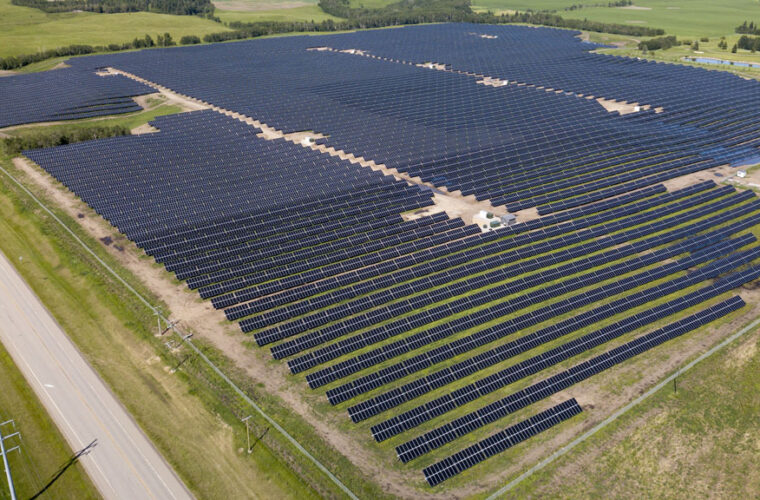
The High Point Solar Farm is a 200-megawatt (AC) facility developed by Ranger Power on private land in Illinois. The project supports the state’s goal of reaching 40% renewable energy by 2030 under the Climate and Equitable Jobs Act (CEJA), contributing to Illinois’ broader decarbonization efforts. According to data from the U.S. Energy Information Administration (EIA), the facility generates enough electricity to power approximately 36,000 Illinois homes. This clean energy output displaces an estimated 270,000 metric tons of carbon dioxide emissions annually, supporting the state’s climate objectives while diversifying its energy portfolio.
Development Timeline
The project’s development began with comprehensive site assessment and land acquisition in 2019. A key milestone was reached when the project received approval from the relevant county board following extensive review and public input. The development team successfully navigated state-level requirements and interconnection studies with the regional grid operator. Construction commenced in 2022, and the project achieved commercial operation in 2024, aligning with Illinois’ accelerated renewable energy timeline under CEJA.
Technology & Innovation
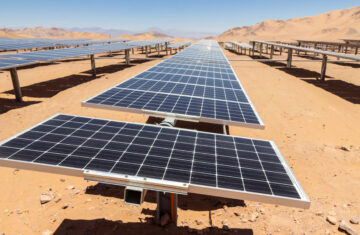
The High Point Solar Farm utilizes solar technology optimized for Illinois’ climate and latitude. The facility features single-axis tracking systems that follow the sun’s path from east to west, increasing energy production by approximately 20-25% compared to fixed-tilt systems. The project employs bifacial panel technology that captures reflected light from the ground to generate additional electricity. According to performance data from the National Renewable Energy Laboratory (NREL), this configuration maximizes energy capture in the region’s climate conditions. Advanced inverters ensure stable integration with the local grid, providing essential voltage support and frequency regulation services.
Challenges & Controversies
A significant challenge for the High Point Solar project involved addressing concerns about land use conversion in a region with deep agricultural roots. Some community members expressed apprehension about the project’s scale and potential impacts on the county’s farming economy and rural character. These concerns were addressed through an extensive community engagement process that included public meetings, visual impact assessments, and the implementation of vegetative screening buffers. The project also incorporated an agricultural compatibility plan that allows for sheep grazing and pollinator habitats beneath the panels, demonstrating that solar development can coexist with agricultural land uses.
Community & Economic Impact
The High Point Solar Farm provides substantial economic benefits to its host county. During the construction phase, the project typically employed 300-350 workers, according to workforce estimates from the Solar Energy Industries Association (SEIA). For long-term operations, it supports a permanent team of technicians for maintenance and monitoring. The project provides stable, long-term lease payments to local landowners, creating a reliable revenue source that complements traditional farming income. Based on Illinois’ tax assessment models for renewable energy projects, the facility likely contributes significant annual property tax revenue to the county, directly benefiting local schools and public services.
Future Outlook
With an operational lifespan of 30+ years, the High Point Solar Farm represents a long-term commitment to Illinois’ energy future. The project’s success under the state’s CEJA legislation provides a replicable model for future renewable development in agricultural communities. The site’s infrastructure is designed with future potential in mind; it could potentially host co-located battery energy storage systems (BESS) to enhance grid reliability and the value of the solar power generated. As Illinois continues to implement its clean energy transition, the High Point Solar Farm stands as a testament to how rural communities can benefit from renewable energy development while maintaining their agricultural heritage and supporting state-wide climate goals.