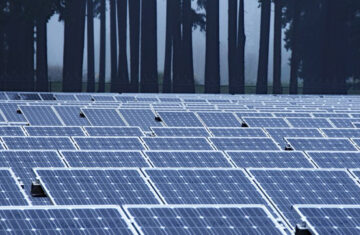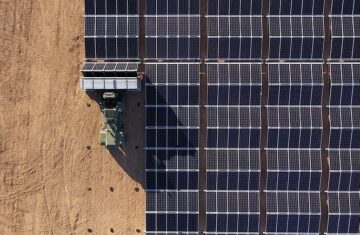
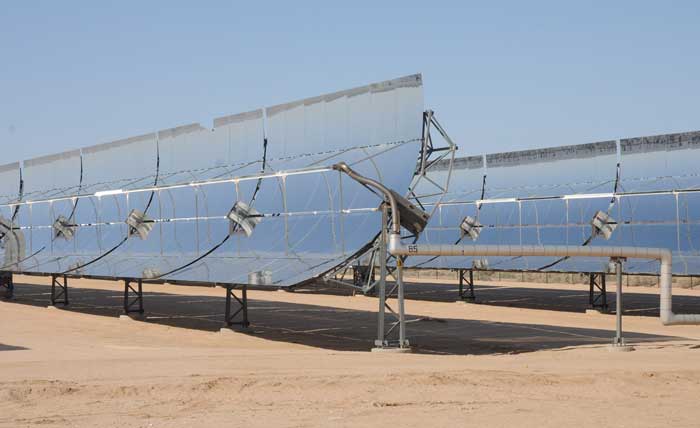
Rising from the Sonoran Desert in Riverside County, the Genesis Solar Energy Project represents a significant milestone in America’s concentrated solar power (CSP) development, demonstrating how utility-scale thermal solar technology can provide reliable, renewable energy even when the sun isn’t shining. This pioneering project showcased the potential of solar thermal technology with energy storage to deliver dispatchable clean power, establishing important precedents for environmental mitigation and technological innovation in desert solar development.
Significance & Context
Developed by NextEra Energy Resources, the 250-megawatt (MW) Genesis Solar Energy Project was among the first utility-scale solar thermal facilities in the United States to incorporate thermal energy storage. According to data from the California Energy Commission, the facility generates enough electricity to power approximately 88,000 homes while avoiding approximately 330,000 tons of carbon dioxide emissions annually. Its parabolic trough technology with thermal storage provided valuable grid stability benefits by allowing power delivery during peak evening hours, addressing one of solar energy’s key limitations through innovative thermal storage solutions.
Development Timeline
The project’s development progressed during a critical period for utility-scale solar in California. Development began in 2007, with construction commencing in 2011 following environmental approvals and a power purchase agreement with Pacific Gas & Electric. The project received a $852 million loan guarantee from the U.S. Department of Energy in 2011, achieving commercial operation in two phases: the first 125 MW came online in 2013, with full operation reached in 2014. This phased approach allowed for technological optimization and continuous environmental monitoring throughout the construction process.
Technology & Innovation
The Genesis Solar Energy Project utilizes parabolic trough technology with synthetic oil heat transfer fluid, heating to approximately 735°F before transferring thermal energy to produce steam for turbine generation. The project’s innovative feature is its thermal energy storage system using molten salt, allowing up to 1,100 MWh of storage capacity—enough to generate electricity for several hours after sunset. According to technical reports from the National Renewable Energy Laboratory (NREL), this storage capability provided valuable grid flexibility, demonstrating how CSP plants could complement intermittent renewable sources by providing dispatchable power during peak demand periods.
Challenges & Controversies
The project faced significant environmental challenges, particularly regarding impacts on desert tortoise habitat and concerns about water usage in the arid environment. Environmental groups including the Sierra Club raised concerns about habitat fragmentation and species impacts. The resolution involved implementing one of the most comprehensive desert conservation plans at the time, developed in coordination with the U.S. Bureau of Land Management and the California Department of Fish and Wildlife. This included creating over 2,000 acres of protected habitat, establishing wildlife corridors, and implementing a successful desert tortoise translocation program. The project also addressed water concerns by using air-cooled condensers, reducing water consumption by approximately 90% compared to wet-cooled systems.
Community & Economic Impact
For Riverside County, the project delivered substantial economic benefits while establishing new standards for desert development. During construction, the project typically employed over 800 workers at peak, providing significant local employment opportunities. For ongoing operations, it maintains 40-50 permanent positions. Based on Riverside County’s tax assessment models for utility-scale solar, the project likely contributes approximately $1.5-2 million annually in property tax revenue to local governments. Additionally, it provides stable lease payments to the Bureau of Land Management for use of public lands, with revenues supporting local community services and conservation initiatives throughout the region.
Future Outlook
With an expected operational lifespan of 30+ years, the Genesis Solar Energy Project continues to provide valuable insights into CSP technology performance and integration. The project’s environmental monitoring programs, documented in annual reports to wildlife agencies, continue to inform best practices for desert solar development. As the energy landscape evolves, the facility’s thermal storage capability positions it well to support grid reliability amid increasing renewable penetration. The technological lessons learned from Genesis have informed subsequent CSP projects worldwide, demonstrating the continuing relevance of solar thermal technology with storage in a diversified clean energy portfolio.