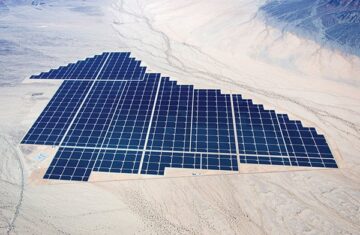
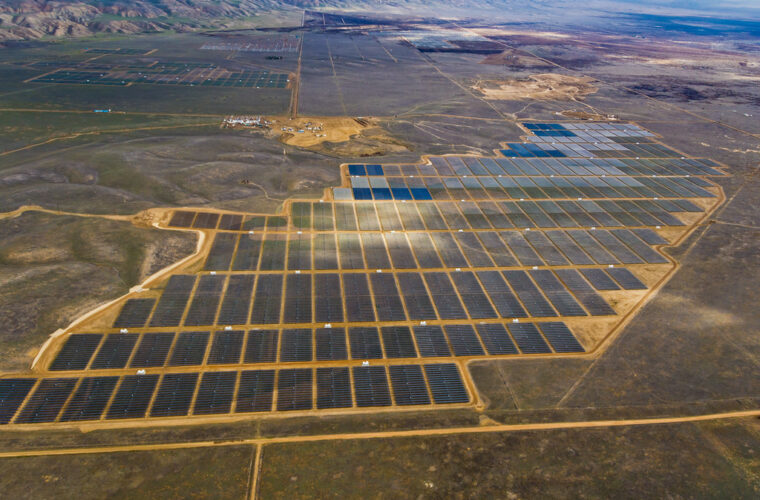
Spanning the Carrizo Plain’s sun-drenched landscape, the California Valley Solar Ranch represents a pioneering achievement in utility-scale solar development that helped define best practices for balancing renewable energy goals with environmental conservation. This landmark project, one of the first major solar facilities approved under California’s renewable energy push, established new standards for habitat protection and community engagement while demonstrating how large-scale solar could be successfully integrated into ecologically sensitive regions.
Significance & Context
Developed by SunPower (now Maxeon Solar Technologies), the 250-megawatt (MW) California Valley Solar Ranch was a flagship project in California’s early utility-scale solar expansion. According to generation data from the California Energy Commission, the facility produces enough electricity to power approximately 100,000 homes while offsetting nearly 330,000 tons of carbon dioxide emissions annually. Its location in eastern San Luis Obispo County, while ideal for solar generation, required unprecedented attention to environmental protection due to the region’s significance as habitat for endangered species and its importance as one of California’s last remaining native grasslands.
Development Timeline
The project’s development journey reflects the learning curve of early utility-scale solar in California. Initial development began in 2006, with the project receiving critical approval from the San Luis Obispo County Board of Supervisors in 2009 after extensive environmental review. Construction commenced in 2011 following a $1.2 billion loan guarantee from the U.S. Department of Energy and reached commercial operation in 2013. The phased construction approach allowed for continuous optimization of environmental mitigation measures while bringing capacity online incrementally to meet PG&E‘ renewable energy procurement schedule.
Technology & Innovation
The California Valley Solar Ranch utilized SunPower’s high-efficiency Maxeon solar panel technology with single-axis tracking systems, achieving some of the highest conversion efficiencies available at the time of construction. According to performance data from the National Renewable Energy Laboratory (NREL), the technology delivered approximately 30% more energy per acre than conventional panels. The project incorporated innovative wildlife protection features including elevated panels to allow wildlife movement, specialized fencing that permitted small animal passage, and a comprehensive monitoring system that established new benchmarks for solar development in sensitive habitats.
Challenges & Controversies
The project faced significant opposition from environmental groups and local residents concerned about impacts on the endangered San Joaquin kit fox, pronghorn antelope migration corridors, and the region’s unique grassland ecosystem. The **Center for Biological Diversity filed lawsuits challenging the environmental impact report. The resolution involved implementing one of the most comprehensive habitat conservation plans for a solar project, developed in coordination with the U.S. Fish and Wildlife Service and the California Department of Fish and Wildlife. This included setting aside 12,000 acres of permanent conservation land, creating wildlife corridors, and establishing a $1.5 million endowment for ongoing habitat management—setting a new standard for environmental mitigation in renewable energy development.
Community & Economic Impact
For San Luis Obispo County, the project has delivered substantial economic benefits while establishing important precedents for responsible development. During construction, the project typically employed 350-400 workers, with local hiring preferences for county residents. For ongoing operations, it maintains 10-15 permanent positions. Based on county tax records and economic impact analyses, the project likely contributes approximately $800,000-$1 million annually in property tax revenue to local governments and school districts. Additionally, it provides stable lease payments to local landowners, creating a reliable income source that has helped sustain agricultural operations in the region while preserving the majority of the land for future agricultural use.
Future Outlook
With an expected operational lifespan of 30+ years, the California Valley Solar Ranch continues to serve as a model for sustainable solar development. The project’s extensive environmental monitoring program, documented in annual reports to wildlife agencies, provides valuable data for future projects in sensitive ecosystems. As technology advances, the site may eventually be repowered with more efficient panels, potentially increasing output without expanding its footprint. The conservation measures established through this project continue to inform solar development policies statewide, demonstrating that renewable energy goals can be achieved while protecting California’s unique biological resources.