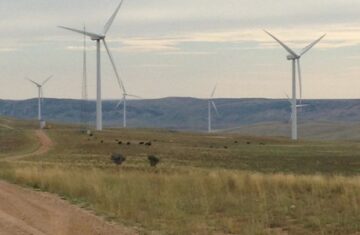
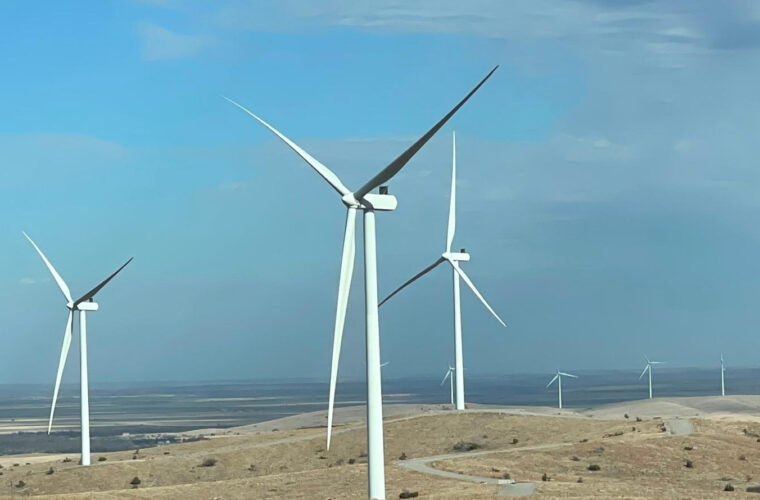
In the rugged terrain of the Arbuckle Mountains in southern Oklahoma, Blue Canyon Windpower II represents a significant chapter in the state’s emergence as a wind energy leader. This expansion of the original Blue Canyon facility helped establish Oklahoma’s potential for utility-scale wind generation and demonstrated the economic viability of harnessing the state’s robust wind resources. As one of the earlier major wind projects in the region, it provided a blueprint for the extensive wind development that would later make Oklahoma a top wind-producing state.
Significance & Context
Blue Canyon Windpower II was a strategically important addition to the Southwest Power Pool (SPP) grid, contributing to Oklahoma’s rapidly growing wind energy capacity during the mid-2000s. Its development demonstrated that the state’s wind resources could compete economically with traditional energy sources, helping to catalyze further investment in the sector. The project supported Oklahoma’s diversification of its energy portfolio and provided clean power to utilities and customers across the region, a trend that would later be tracked by the Oklahoma Department of Commerce.
Development Timeline
Development for Blue Canyon II began in the early 2000s, building on the success of the initial Blue Canyon project. Key milestones included securing additional land leases, conducting expanded wind resource assessment, and finalizing power purchase agreements. Construction was completed in 2006, with the expansion phase becoming operational that same year, significantly increasing the complex’s total capacity.
Technology & Innovation
For its time, Blue Canyon II utilized advanced wind turbine technology that represented a significant step forward in efficiency and reliability. The project featured turbines with larger rotor diameters and improved capacity factors compared to earlier models, optimizing energy capture in the site’s specific wind conditions. The expansion also demonstrated the advantages of phased development at a single location, allowing for shared infrastructure and operational efficiencies.
Challenges & Controversies
A significant challenge for the Blue Canyon II project was optimizing turbine placement and energy output in the complex terrain of the Arbuckle Mountains. Unlike the flatter wind resources in western Oklahoma, the site required careful micro-siting to maximize exposure to prevailing winds while minimizing turbulence. This challenge was resolved through advanced wind modeling and the use of specialized meteorological towers to map wind flow across the rugged landscape, ensuring optimal turbine positioning for maximum energy production.
Community & Economic Impact
For Comanche County and the surrounding region, Blue Canyon II delivered meaningful economic benefits. During the construction phase, the project typically employed over 100 workers, providing a welcome boost to local businesses. The expanded operations created additional long-term positions for technicians and maintenance staff. The project likely contributed significantly to local property tax revenues, supporting schools and public services—a benefit documented by the Oklahoma Tax Commission. Participating landowners received additional lease payments, creating a new revenue stream that complemented traditional land uses.
Future Outlook
As one of Oklahoma’s pioneering wind projects, Blue Canyon Windpower II has established a long-term presence in the state’s energy landscape. The entire Blue Canyon complex, with its proven wind resource and established infrastructure, represents a potential candidate for future repowering efforts. Modern turbine technology could potentially increase the site’s energy output while using fewer turbines. The project’s lasting legacy is its role in demonstrating Oklahoma’s wind energy potential, helping to launch an industry that has become a major economic driver for the state and a key component of its energy mix.
There is also at Oklahoma: Weatherford Wind Energy Center